
Bolani Recipe: How to Make Crispy Afghan Stuffed Bread at Home

Bolani is one of those Afghan foods that looks simple at first but becomes surprisingly memorable after the first bite. It is a thin, stuffed bread filled with a flavorful mixture of vegetables, herbs, garlic, and spices. The outside becomes beautifully crisp while the filling stays soft and aromatic.
I especially love Afghan Flatbread because it does not require complicated ingredients. Flour, water, fresh herbs, vegetables, and a few everyday spices are enough to create something that feels special. It is the kind of recipe I enjoy making when I want a warm homemade meal without spending hours in the kitchen.
A Little History Behind Bolani
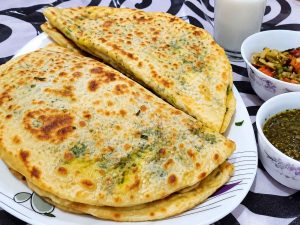
Bolani is a traditional Afghan bread and an important part of Afghan home cooking. It is commonly prepared with a thin dough and a vegetable-based filling, although the filling can vary according to taste and availability. In different kitchens, potatoes, pumpkin, herbs, or other vegetables may be used to create different versions of the dish.
What makes Afghan Flatbread interesting is its simplicity. It belongs to the kind of traditional food that turns basic ingredients into a satisfying meal. The combination of thin bread, fresh herbs, and warm spices gives it a character that is both rustic and comforting.
What Does Bolani Taste Like?
A well-made Bolani has a lovely contrast of textures. The outside should be lightly crisp and golden, while the inside remains tender and flavorful. The herbs bring freshness, the garlic adds warmth, and the spices give the filling a gentle depth. When the bread comes straight from the pan, its aroma is particularly inviting.
For me, the best moment is cutting into a freshly cooked Bolani while it is still warm. You can hear the slight crispness of the dough before tasting the soft vegetable filling inside.

Ingredients for Bolani
The following ingredients are based on the traditional preparation described by YummCook, with the amounts organized into an easy-to-follow table.
| Ingredient | Amount |
| All-purpose flour | 3 cups |
| Water | 1 cup |
| Salt | As needed |
| Onion | 100 g |
| Spinach | 100 g |
| Fresh coriander | 100 g |
| Leek | 100 g |
| Garlic | 2 cloves |
| Oil | As needed |
| Black pepper | As needed |
| Turmeric | As needed |
| Coriander seeds | As needed |
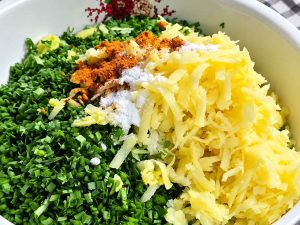
You can also change the filling depending on what you have in the kitchen. Potato and pumpkin are two useful alternatives, especially when you want a slightly different texture and flavor.
How to Make Bolani: Step-by-Step Instructions
Step 1: Prepare the Dough
Add the flour and salt to a large mixing bowl. Gradually pour in the water while mixing until the ingredients come together. Knead the dough for several minutes until it becomes smooth, soft, and easy to handle. If it feels too sticky, add a little flour. Cover the dough with a clean kitchen towel and let it rest for about 30 minutes. This helps the dough become more flexible and makes it easier to roll into thin circles.
Step 2: Chop the Vegetables and Herbs
Wash the spinach, fresh coriander, leek, and onion thoroughly. Finely chop the vegetables and mince the garlic cloves. Cutting the ingredients into small pieces helps the filling spread evenly inside the dough. Make sure the vegetables are not dripping wet before you use them. Too much moisture can make the dough difficult to seal and may affect the final texture of your Bolani.
Step 3: Cook the Filling
Heat a small amount of oil in a pan over medium heat. Add the chopped onion, spinach, leek, coriander, and minced garlic. Season with salt, black pepper, turmeric, and coriander seeds according to your taste.
Cook the mixture for approximately five minutes, stirring occasionally, until the vegetables soften and the flavors combine. Avoid making the filling too watery. Once ready, remove it from the heat and allow it to cool slightly before assembling the bread.
Step 4: Divide and Roll the Dough
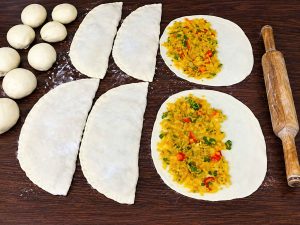
After the dough has rested, divide it into several equal portions and shape each portion into a small ball. Lightly flour your work surface and roll each ball into a thin, round sheet. Try to keep the thickness even so the bread cooks properly on both sides. Rolling the dough thinly is one of the most important steps for achieving the characteristic crisp texture of Afghan Bolani.
Step 5: Add the Filling and Fold the Bread
Spread a thin, even layer of the vegetable filling over one half of each dough circle, leaving a little space around the edges. Avoid adding too much filling, as this can make the dough tear or prevent the edges from closing properly.
Fold the uncovered half over the filling to create a semicircle. Press the edges firmly with your fingers to seal the bread and keep the filling inside during cooking.
Step 6: Cook the Bolani in a Pan
Heat a flat frying pan over medium heat and add a little oil. Carefully place one prepared Bolani in the pan and cook until the bottom becomes golden brown and lightly crisp.
Flip it gently and cook the other side until it is equally golden and the dough is fully cooked. Depending on the thickness of the bread and the heat of your pan, cooking time may vary. Repeat with the remaining pieces, adding a little oil when necessary.
Step 7: Serve Your Homemade Bolani
Transfer the cooked Bolani to a serving plate and allow it to cool for a minute before cutting. The outside should be lightly crisp, while the vegetable filling remains soft and flavorful.
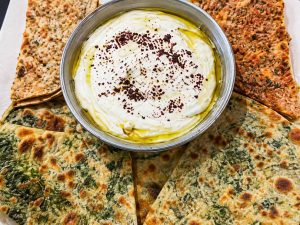
Serve it warm with plain yogurt, a fresh salad, or your favorite dipping sauce. Bolani is especially enjoyable straight from the pan, when the bread is still warm and the herbs release their inviting aroma.
Tips for Perfect Bolani
- Keep the dough thin: This helps the bread cook evenly and develop a crisp exterior.
- Avoid excess filling: A moderate amount makes the bread easier to fold and seal.
- Control the heat: Medium heat helps prevent the outside from browning too quickly.
- Remove excess moisture: A drier filling helps the dough stay firm and prevents leaks.
- Serve it fresh: Bolani tastes particularly good while it is still warm and crisp.
Bolani Recipe
Ingredients
Method
- Make the dough: Combine the flour and salt in a large bowl. Gradually add the water and knead until a smooth, soft dough forms.
- Rest the dough: Cover and let the dough rest for 30 minutes to make it easier to roll.
- Prepare the filling: Wash and finely chop the spinach, coriander, leek, and onion. Mince the garlic.
- Cook the vegetables: Heat a little oil in a pan. Add the vegetables, garlic, salt, black pepper, turmeric, and coriander seeds. Cook for about 5 minutes, until softened. Allow the filling to cool slightly.
- Shape the dough: Divide the dough into equal portions and roll each one into a thin circle on a lightly floured surface.
- Fill and fold: Spread the vegetable mixture over one half of each circle, leaving the edges clear. Fold the other half over the filling and press the edges firmly to seal.
- Cook the Bolani: Heat a little oil in a pan over medium heat. Cook each piece until golden and crisp on both sides and cooked through.
- Serve: Transfer to a plate and serve warm with yogurt, fresh salad, or your favorite dipping sauce.
- Recipe Notes
- Roll the dough thinly for a crisp, evenly cooked result.
- Avoid using too much filling or excess moisture, as this can cause the dough to tear.
- Adjust the seasonings according to your taste.
- Cook over medium heat to prevent the outside from browning before the dough is fully cooked.
- For the best texture, serve Bolani immediately after cooking.
Can You Bake Bolani Instead of Frying It?
Yes. Bolani can also be cooked in the oven if you prefer not to fry it in a pan. The result will be somewhat different from the classic fried version, but it can still be delicious. For an oven-baked version, prepare and fill the dough in exactly the same way. Place the shaped pieces on a baking tray and cook them until the surface is properly baked and lightly golden.
The important thing is not to make the dough too thick. A thin dough gives you a much better texture.

Potato Bolani: A Cozy Alternative
Potato Bolani is a great option when you want a softer and heartier filling. Cook potatoes until tender, mash them, and season them with salt and your preferred spices. You can combine the potato with herbs or onion for extra flavor. The creamy potato center works particularly well with the crisp dough. It is also an easy variation when you do not have enough fresh spinach or herbs available.
Spinach Bolani for a Fresh Herb Flavor
Spinach Bolani has a lighter and more herb-forward character. The spinach works beautifully with coriander, leek, garlic, and spices. The key is to cook the vegetables only until they soften, rather than turning the filling into a wet mixture. When the filling is ready, allow it to cool slightly before placing it inside the dough. This makes shaping easier and helps prevent the dough from becoming overly soft.
My Tips for Making Better Bolani
The first important tip is to give the dough enough time to rest. Skipping this step can make rolling much more difficult. The second is to roll the dough thinly. A thick layer of dough can make the finished bread heavy, while a thin layer gives you the crisp texture that makes Bolani so enjoyable.
Do not overload the filling either. A moderate amount is easier to seal and cooks more evenly. Finally, control the heat carefully. Bolani needs enough heat to become golden and crisp, but not so much that the outside burns before the inside is properly cooked.
What to Serve with Bolani
Bolani is delicious on its own, but it becomes even more enjoyable with a simple side. I like serving it warm with yogurt, pickles, or a fresh vegetable side. The coolness of yogurt against the hot, crisp bread creates a particularly nice contrast.
It also works beautifully as a breakfast, light lunch, or comforting dinner. YummCook describes it as a practical choice for breakfast or dinner because the ingredients are straightforward and the preparation is relatively simple.
Why Homemade Bolani Feels Different
There is something special about making Afghan Flatbread from scratch. The dough is soft under your hands, the herbs release their aroma as they cook, and the kitchen slowly begins to smell like a freshly prepared homemade meal. It is not a complicated recipe, but the small details matter. A well-rested dough, a flavorful filling, and controlled heat can make a noticeable difference.
Once you make it a couple of times, shaping the dough becomes much easier. You also start to understand how thin you want the bread and how much filling works best for your preferred texture.
Discover More Traditional Afghan Foods
Afghan cuisine is full of comforting traditional dishes and homemade treats that bring people together around the table. Alongside Afghan Flatbread, you can explore the delicious flavors of Mantu, a popular Afghan dumpling filled with seasoned meat and served with flavorful sauces. For a sweet treat, Sheer Yakh, a traditional Afghan ice cream, is a wonderful choice, while Sheer Pira offers a rich, creamy confection perfect for special occasions. You can also try Soji, a traditional semolina-based sweet, and Shelpek, a beloved Afghan fried bread. To complete your Afghan food experience, enjoy these dishes with a warm cup of Sheer Chai, a traditional milk tea that adds a comforting touch to any meal.
Frequently Asked Questions About Bolani
1. What is Bolani?
Bolani is a traditional Afghan stuffed flatbread filled with vegetables, fresh herbs, or potatoes and cooked until golden and crispy.
2. What is Bolani made of?
Bolani is made with flour, water, salt, and a filling of vegetables, herbs, garlic, and spices.
3. How do you cook Bolani?
Bolani is traditionally pan-fried with a little oil until both sides become golden brown and crispy.
4. What do you serve with Bolani?
Bolani is commonly served warm with yogurt, fresh salad, pickles, or a dipping sauce.
5. Can you make Bolani with potatoes or spinach?
Yes, potato Bolani and spinach Bolani are popular variations that offer different textures and delicious flavors.
Final Thoughts on Bolani
Bolani is a wonderful example of how simple ingredients can create a deeply satisfying Afghan dish. Thin dough, fresh vegetables, herbs, garlic, and warm spices come together to make a bread that is crisp on the outside and flavorful inside. The recipe is also flexible. You can stay close to the classic herb filling or experiment with potato and pumpkin when you want something different.
For a homemade meal that feels comforting without requiring complicated techniques, Bolani is well worth trying. Serve it warm, share it with family, and enjoy it straight from the pan while the edges are still wonderfully crisp.

[…] Bolani is a very delicious fried bread of Afghanistan. This bread may be baked in other countries under different names, but it is on […]