
5 Traditional Iranian Breads: Bread is the Most Important Food

In Iranian food culture, bread is not just a simple food item, but is also a part of daily life, history, and even people’s beliefs. Iranians use bread as a main or complementary ingredient in every meal, from breakfast to dinner. The variety of bread in Iran is so great that many tourists and traditional food enthusiasts consider Iranian breads to be one of the most attractive parts of Iranian cuisine. In this article, we will get to know the five traditional Iranian breads that are most famous inside and outside Iran.

Why are traditional Iranian breads attractive to a global audience?
Traditional Iranian breads are usually made with simple ingredients such as flour, water, salt, and sometimes yeast, and do not contain industrial additives. This simplicity has made these breads very attractive to audiences who are interested in healthy, natural, and homemade foods. In addition, traditional baking methods such as stone ovens or clay ovens give breads a flavor that is rarely found anywhere else in the world. These features have made Iranian bread highly sought after alongside concepts such as traditional food and authentic cuisine.
Sangak Bread: A Symbol of Authenticity in Iranian Cooking
Sangak bread is one of the oldest and most popular breads in Iran, named after the small stones on the bottom of the oven. This bread is one of the 5 traditional Iranian breads and is baked on hot stones, and this baking method creates a unique texture that is slightly crispy on the outside and soft and light on the inside. Sangak is usually elongated and irregular, and its traditional appearance seems very attractive to many foreigners.
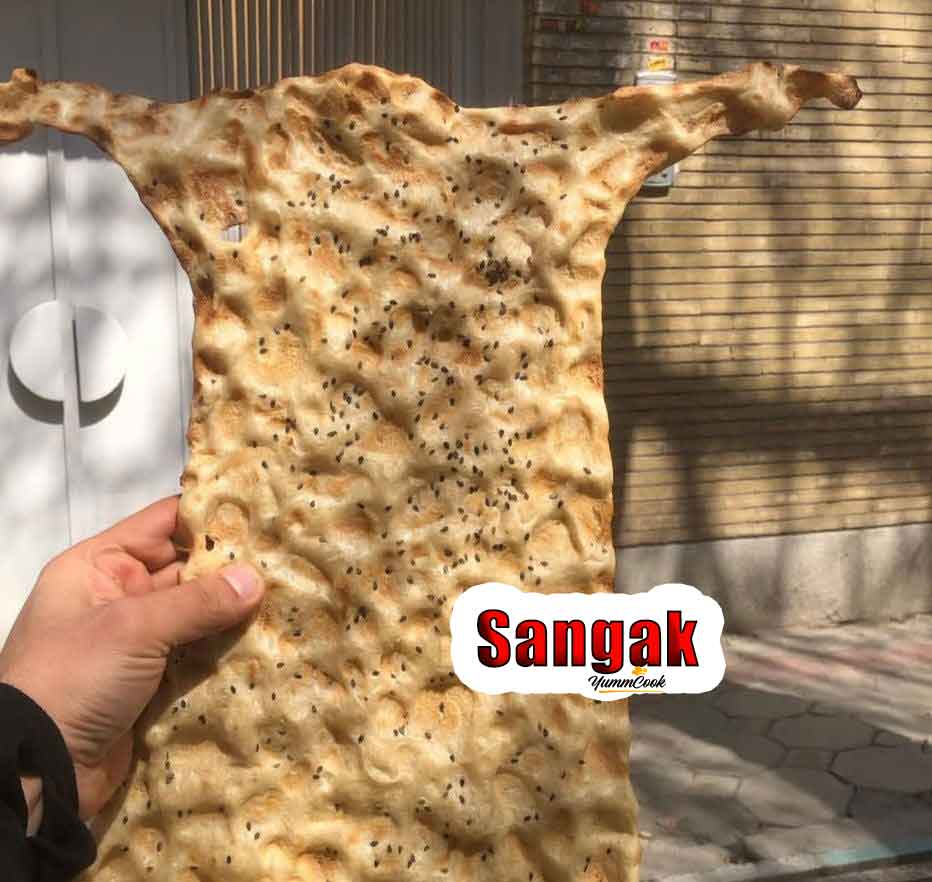
Taste and Uses of Sangak Bread in Iranian Cuisine
Sangak bread has a mild and natural flavor and goes well with a variety of foods. Iranians often eat Sangak for breakfast with cheese, vegetables, walnuts or honey, but this bread also has a special place alongside meat dishes such as kebab. Sangak is introduced as one of the healthiest traditional Iranian breads, which can also be a great option for a healthy lifestyle.
Barbari bread: Thick, Soft and Filling
Barbari bread is another of the 5 traditional Iranian breads, known for its thicker texture and distinctive grooves on its surface. This bread is usually baked in a tandoor and its surface is brushed with a mixture of water and flour to give it a golden color and a special texture. Barbari is heavier and more filling than other Iranian breads, which is why it is very popular for main meals.
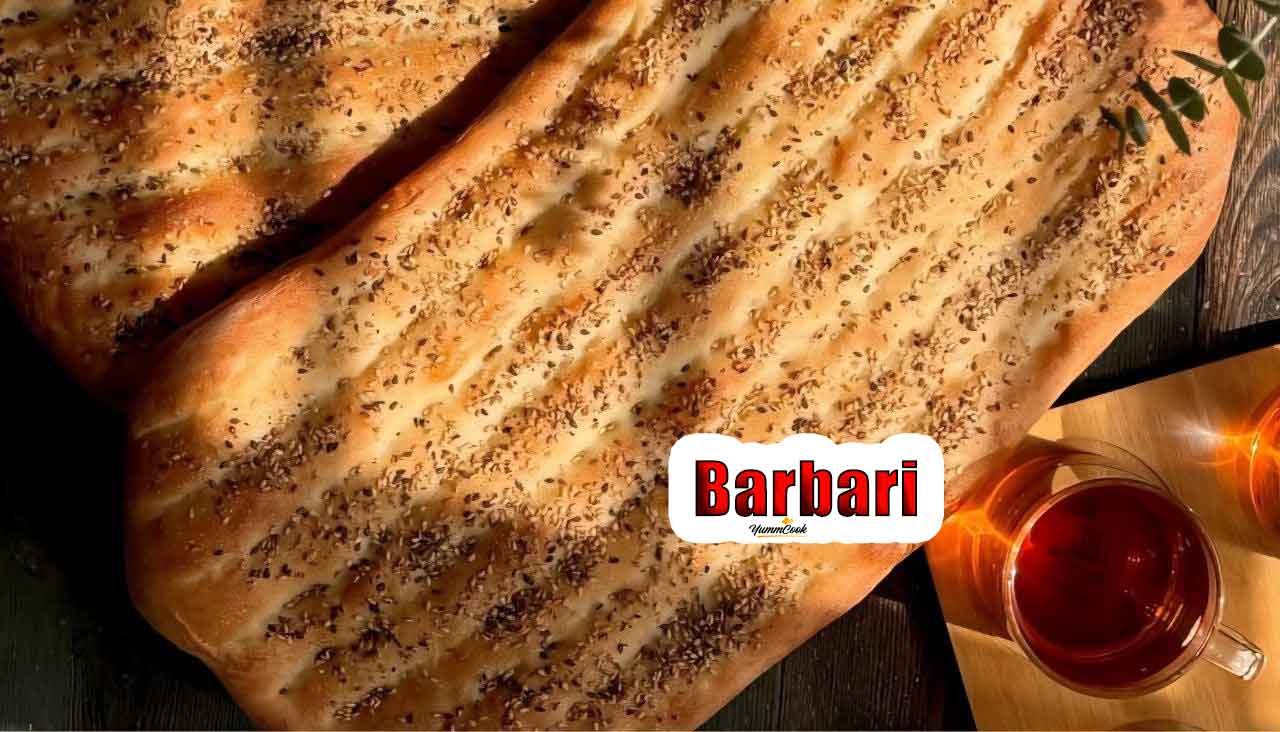
Why is Barbari bread ideal for an Iranian breakfast?
The soft and elastic texture of Barbari bread makes it easy to combine with butter, honey, cream or jam. Many Iranian families serve their traditional breakfasts with barbari. For non-Iranians, barbari can be the equivalent of a thick flatbread, which is a great option for both breakfast and hot sandwiches.
Lavash Bread: Simple, Thin, and Versatile
Lavash bread is one of the thinnest Iranian breads, which is very similar to the flatbreads common in different countries. This bread is very light and can be easily folded or broken. Lavash plays an important role in the daily life of Iranians and can be found in almost every home.
Various uses of lavash bread in cooking
Lavash is used for wrapping food, making rolls, and even as dry bread due to its thinness and flexibility. Many Iranians dry lavash and use it over time. This feature is very attractive to foreign audiences, as lavash can be a good alternative to tortillas or wraps in modern cooking.
Taftoon Bread: A Balance Between Thickness and Tenderness
Taftoon bread is between lavash and barbari in terms of thickness and has a soft and slightly puffy texture. This bread is usually baked on the wall of the oven or on a hot plate and has a balanced and mild flavor. Taftoon bread is an ideal choice for those who want bread that is neither too thin nor too thick.

Taftoon bread Along with traditional dishes
Taftoon bread goes well with a variety of Iranian stews, rice dishes, and even hot sandwiches. In many regions of Iran, this bread is the main choice for lunch and dinner. In Iran, Taftoon is introduced as a practical and popular bread that can be understood and used by a global audience.
Shelpak Bread: The Hidden Treasure of Iranian Local Breads
Shelpak bread is one of the local and lesser-known breads of Iran that is mostly baked in certain regions. This bread is usually prepared on a hot teak or metal plate and is completely handmade. Shalpak has a simple appearance, but its taste is very authentic and rustic.

Why is Shelpek attractive to lovers of local food?
For those looking to experience local and less touristy flavors, Shelpek is a special choice. This bread represents the simple and traditional lifestyle in some regions of Iran and can be very attractive to foreign audiences who are interested in rustic food and local cuisine.
The place of bread in Iranian food culture
In Iranian culture, bread is a symbol of blessing and respect, and throwing it away is considered a bad thing. Everywhere in Iran, these 5 traditional Iranian breads are always present on the table and their role is not only to fill the stomach, but also part of the people’s food identity. This cultural outlook has made Iranian breads more than a simple dish.
Conclusion
Sangak, Barbari, Lavash, Taftoon and Shelpek breads each represent a part of Iranian food culture. Getting to know these 5 traditional Iranian breads will be a valuable experience for anyone who is interested in traditional and authentic foods. These breads are not only delicious, but they also tell a story of Iranian history and lifestyle, and any tourist who travels to Iran will definitely experience the taste of these delicious breads.
Very nice