
Gheymeh Nesar: Colorful and tasty food
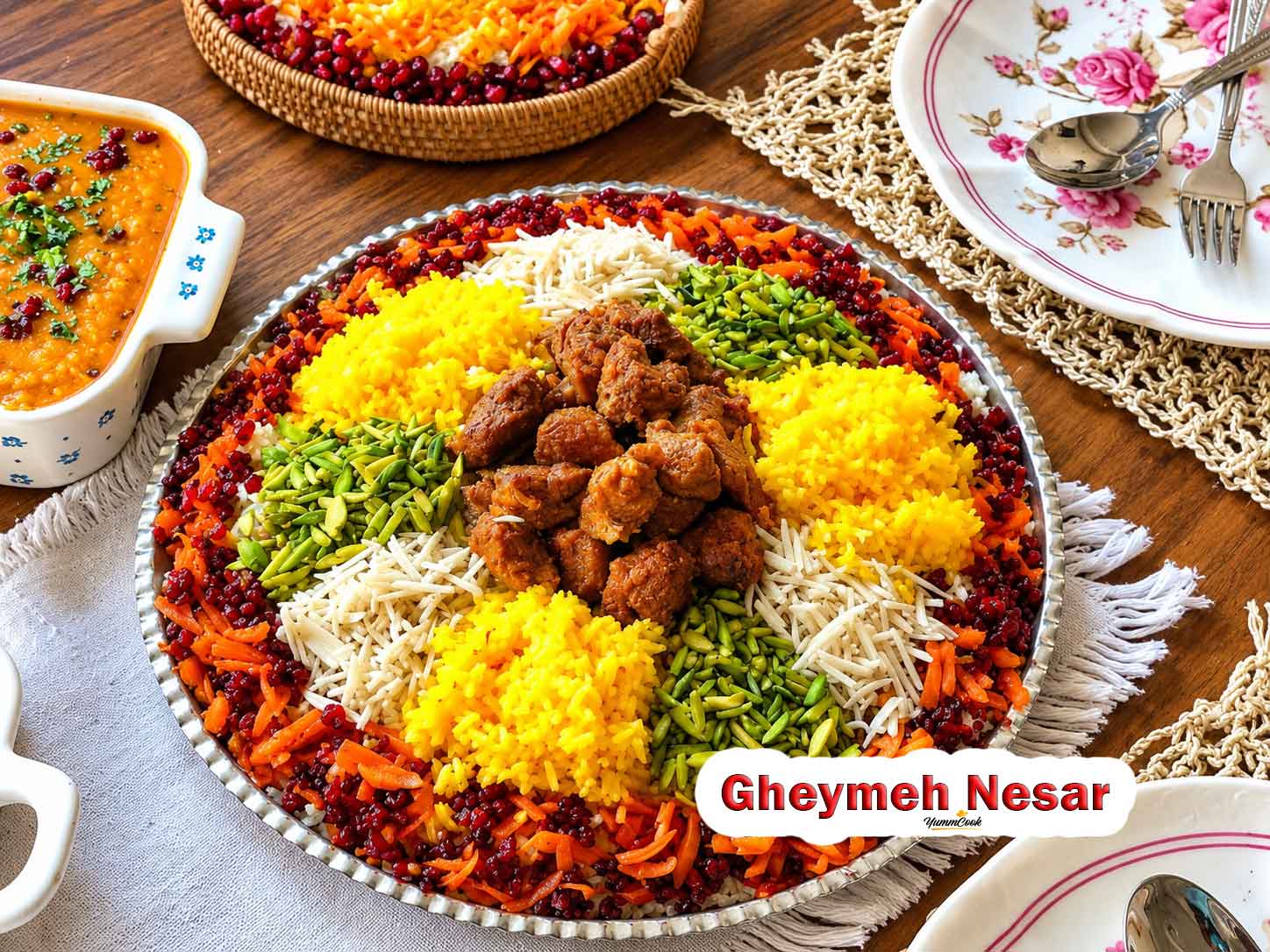
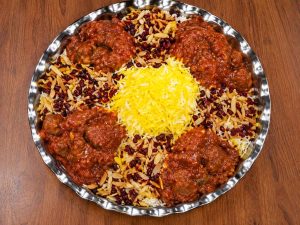
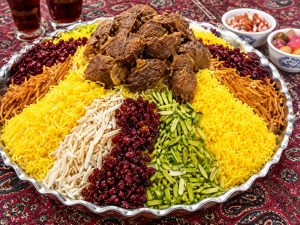
Gheymeh Nesar is one of those Persian dishes that catches your attention the moment it reaches the table. Golden saffron rice, ruby-red barberries, green pistachios, almonds, and tender pieces of meat create a beautiful combination of colors and aromas. This traditional dish is closely associated with Qazvin, a historic city in Iran. Gheymeh Nesar is commonly prepared for celebrations, weddings, family gatherings, and other special occasions.
What makes this dish particularly enjoyable is the balance of flavors. Saffron brings a warm aroma, barberries add a pleasant tartness, while nuts provide a delicate crunch. The tender meat brings everything together.
What Is Gheymeh Nesar?
Gheymeh Nesar is a traditional Persian rice dish from Qazvin. It is prepared with fluffy rice, tender pieces of meat, saffron, barberries, almonds, pistachios, and aromatic Persian spices. Despite its name, Gheymeh Nesar is not the same as traditional Persian Gheymeh stew. Regular Gheymeh is usually made with split peas, meat, tomato, and dried lime. Gheymeh Nesar, on the other hand, is a festive rice dish. Its colorful toppings and fragrant spices give it a completely different appearance and flavor.
The History of Gheymeh Nesar
The history of Gheymeh Nesar is strongly connected to Qazvin, one of Iran’s historic cultural centers. Qazvin served as the capital of Iran during part of the Safavid period in the 16th century. Some culinary sources connect Gheymeh Nesar with the sophisticated cooking traditions of that era. There are also accounts associating the dish with royal kitchens when Qazvin was the capital.
Over time, the dish became an important part of Qazvin’s food culture. It was particularly associated with weddings, celebrations, and gatherings where families wanted to prepare something special for their guests. There are different stories about the exact origin of the dish and its name. Since not all of these stories are supported by historical evidence, they are best considered part of the culinary folklore surrounding Gheymeh Nesar.
Why Is Gheymeh Nesar So Special?
The first thing you notice about Gheymeh Nesar is its appearance. It looks completely different from an everyday rice dish. The fluffy rice is decorated with saffron, barberries, pistachios, and almonds. Depending on the recipe, thin strips of orange peel and dried rose petals may also be added. The flavors are just as interesting as the appearance. Tart barberries balance the richness of the meat, while the nuts add a pleasant contrast to the soft rice.
Ingredients for Gheymeh Nesar
For about 4 to 6 servings, you will need:
| Ingredient | Amount |
| Persian or basmati rice | 3 cups |
| Lamb or beef | 350-500 g |
| Medium onions | 1-2 |
| Tomato paste | 2 tablespoons |
| Barberries | 1/2 to 1 cup |
| Slivered almonds | 1/2 cup |
| Pistachios | 1/3-1/2 cup |
| Brewed saffron | 2-3 tablespoons |
| Rose water | 1-2 tablespoons |
| Orange peel | A small amount, optional |
| Butter or oil | As needed |
| Salt and black pepper | As needed |
| Turmeric | As needed |
| Cinnamon | As needed |
| Cardamom | As needed |
| Dried rose petals | Optional |
The exact ingredients can vary between recipes and families. Some versions use more barberries, while others emphasize orange peel, rose water, or a particular spice mixture.
How to Make Gheymeh Nesar
1. Prepare the Meat
Finely chop the onions and cook them in a little oil until soft and lightly golden. Add turmeric and then add the diced meat. Cook the meat over medium heat until it changes color. Add the tomato paste and cook for a few minutes to develop its flavor.
Add cinnamon, black pepper, and other spices. Pour in enough hot water to cover the meat and let it cook gently until tender. The finished meat should be soft and flavorful, with only a small amount of thick sauce remaining.
2. Cook the Rice
Wash the rice several times until the water becomes relatively clear. Soak it in salted water before cooking. Bring a large pot of water to a boil and add the rice. Cook it until the outside of the grains is soft while the center remains slightly firm.
Drain the rice and return it to the pot. Add some brewed saffron to a portion of the rice. Cover the pot and let the rice steam gently until the grains become fluffy and aromatic.
3. Prepare the Barberries
Heat a little butter or oil in a small pan and add the barberries. If you prefer a slightly sweeter flavor, add a small amount of sugar. Cook them only briefly. Barberries can burn quickly, so keeping the heat low is important. Once they become glossy and warm, remove them from the heat.
4. Prepare the Nuts
Soak the slivered almonds briefly before cooking. This gives them a softer and more pleasant texture. Warm the almonds gently in a little butter or oil. Add the pistachios afterward and avoid cooking them for too long. If you are using orange peel, remove its bitterness before adding it to the dish. This is usually done by boiling and rinsing the peel several times.
5. Assemble the Gheymeh Nesar
Spread the steamed rice onto a large serving platter. Arrange the tender meat over the rice or place some of it between the layers. Add the saffron rice, barberries, almonds, and pistachios on top. Orange peel can be added at this stage as well. Try not to mix everything together. Keeping the toppings visible gives Gheymeh Nesar its beautiful traditional appearance.
Gheymeh Nesar: Traditional Persian Rice Dish
Method
- Soak the rice for at least 30 minutes.
- Cut meat into large cubes. Fry onions in a small amount of oil, then add meat and spices (salt, pepper, turmeric, cinnamon, cardamom). Cook until meat is nearly done, then add rose water, saffron, and tomato paste. Continue cooking until meat is fully done.
- Boil rice in water for 10 minutes with a little salt, then drain when half-cooked.
- Layer rice and meat in a pot, alternating layers until all ingredients are used.
- Top with pistachios, almonds, barberries, and grated orange peel. Cover the pot and let it steam for 25 minutes to fully cook and infuse flavors.
- Tip: Use high-quality saffron and rose water for the best aroma and flavor.
- Prepare the meat:
- Heat some oil in a pot and sauté the chopped onions until soft and lightly golden. Add turmeric and the meat, then cook until the meat is lightly browned. Stir in the tomato paste, salt, black pepper, cinnamon, and cardamom. Add enough water to cover the meat and simmer until tender.
- Cook the rice:
- Rinse the rice several times until the water runs mostly clear. Parboil it in salted water until the grains are partially cooked but still firm in the center. Drain the rice and set it aside.
- Prepare the barberries:
- Wash the barberries and drain them well. Sauté them briefly in a little butter or oil. Add a small amount of sugar if you prefer a slightly sweeter flavor. Be careful not to cook them for too long, as they can burn easily.
- Prepare the nuts:
- Lightly sauté the slivered almonds and pistachios in a little butter or oil. Set them aside for assembling the dish.
- Assemble the rice:
- Place some oil or butter in the bottom of a large pot. Add a layer of rice, followed by some of the cooked meat. Continue layering until all the ingredients are used. Pour the brewed saffron over part of the rice.
- Steam the rice:
- Cover the pot with a clean kitchen towel and lid. Steam the rice over low heat for about 30–40 minutes, allowing the flavors to combine and the rice to become fluffy.
- Add the garnishes:
- Mix the barberries, almonds, pistachios, and optional orange peel with a portion of the saffron rice. Add rose water if desired and gently mix.
- Serve:
- Transfer the steamed rice to a serving platter. Arrange the meat among or beneath the rice and garnish generously with the barberry, nut, and saffron mixture. Add dried rose petals for an elegant traditional touch.
Tips for Making the Best Gheymeh Nesar
Patience is one of the most important ingredients in this recipe. The meat should cook slowly enough to become tender without drying out. The rice should remain fluffy and separate. Overcooking it before steaming can easily result in soft or sticky rice.
Saffron also deserves attention. Use properly brewed saffron rather than simply sprinkling dry saffron over the rice. Rose water should be used carefully as well. A small amount gives the dish a beautiful Persian aroma, but too much can overpower the other flavors.
What Spices Are Used in Gheymeh Nesar?
The spice mixture can vary, but common ingredients include cinnamon, cardamom, cumin, dried rose petals, black pepper, turmeric, and saffron. Some traditional recipes use a special spice blend known as advieh-ye qeymeh nesar. A documented version combines cardamom, cinnamon, cumin, and rose petals. These spices give the dish its distinctive fragrance. They should complement the meat and saffron rather than overpower them.
Can You Make Gheymeh Nesar with Chicken?
Yes, chicken can be used instead of lamb or beef. It is a convenient option when you want a quicker version of the dish. Chicken also works well for a family dinner because it cooks faster than beef or lamb. However, if you want a more traditional Qazvin-style Gheymeh Nesar, lamb or beef is the more characteristic choice.
Gheymeh Nesar for Special Occasions
Gheymeh Nesar is particularly well suited to celebrations. Its colorful appearance makes it stand out on a large dining table. It is also strongly connected with Persian hospitality. Preparing a dish with several carefully prepared components is a way of showing guests that their presence matters. This is one of the reasons Gheymeh Nesar remains popular for weddings and important family gatherings.
How to Serve Gheymeh Nesar
Serve Gheymeh Nesar hot on a large platter. The colorful toppings should remain visible so the dish looks as inviting as it tastes. You can serve it with fresh herbs, yogurt, pickles, or a simple Persian salad. These sides provide a fresh contrast to the rich rice and meat. For a dinner party, the meat and toppings can be prepared ahead of time. The final assembly can then be done shortly before serving.
Gheymeh Nesar vs. Morasa Polo
Gheymeh Nesar is sometimes confused with Morasa Polo because both are colorful Persian rice dishes. They can contain similar ingredients such as saffron, nuts, dried fruits, and rice. However, they are different dishes with their own regional traditions. Gheymeh Nesar is particularly associated with Qazvin and has its own characteristic combination of meat, barberries, nuts, saffron rice, and aromatic spices.
More Persian Recipes to Explore
If you enjoy traditional Persian dishes like Gheymeh Nesar, you may also want to explore other classic recipes such as Vavishka, Sirabi, and Kale Pacheh. For rice lovers, Gheymeh Polo is another flavorful Persian dish, while Khoresh Gheimeh offers a comforting combination of split peas, meat, and aromatic spices. These dishes are a great way to discover the variety of traditional Persian cuisine and its rich regional flavors.
Frequently Asked Questions About Gheymeh Nesar
1-What is Gheymeh Nesar?
Gheymeh Nesar is a traditional Persian rice dish from Qazvin, made with saffron rice, tender meat, barberries, pistachios, almonds, and aromatic spices.
2-What type of meat is used in Gheymeh Nesar?
Lamb or beef is commonly used. The meat is usually cut into small pieces and cooked with onion, tomato paste, and spices until tender.
3-Can I make Gheymeh Nesar with chicken?
Yes. Chicken can be used instead of lamb or beef. It cooks faster and gives the dish a lighter flavor while keeping the traditional rice and garnish combination.
4-What makes Gheymeh Nesar different from Morasa Polo?
Both dishes are Persian jeweled rice dishes and use ingredients such as nuts, dried fruit, and saffron. Gheymeh Nesar is particularly associated with Qazvin and traditionally includes cooked meat as a central part of the dish.
5-Can I prepare Gheymeh Nesar ahead of time?
Yes. You can prepare the meat and garnishes ahead of time and cook the rice closer to serving. Reheat the components gently and add the nuts, barberries, and saffron rice when assembling the dish.
Final Thoughts on Gheymeh Nesar
Gheymeh Nesar is more than a beautiful Persian rice dish. It represents the food culture of Qazvin and the importance of hospitality in Persian cuisine. The recipe may require several separate steps, but each one contributes to the final result. When the rice, meat, saffron, barberries, and nuts finally come together, the effort feels worthwhile.
If you want to prepare a Persian dish that looks festive and tastes wonderfully aromatic, Gheymeh Nesar is a memorable choice. Its combination of fluffy saffron rice, tender meat, tart barberries, fragrant spices, and crunchy nuts makes every bite special.

[…] Gheymeh nesar is a colorful and delicious food whose fragrance fills the whole house. Gheymeh nesar is one of the most famous dishes of […]