
Sambali Recipe: Homemade Turkish Semolina Dessert
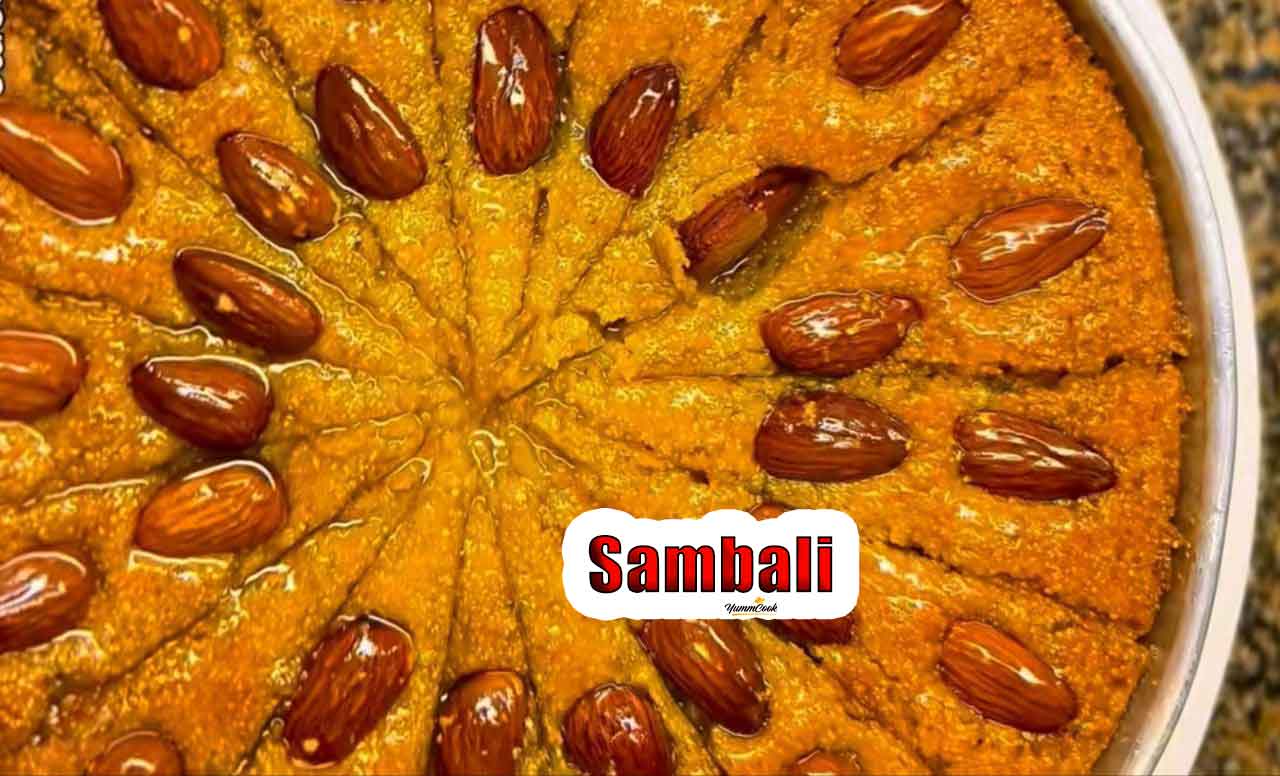
Turkish Sambali is one of the traditional and famous desserts in Turkey, which is especially famous in the city of Izmir. This simple but very fragrant dessert has a soft, moist, and syrupy texture and, unlike many Turkish desserts, is made without eggs and without white flour. The dominant flavor of Turkish Syrupy dessert is a balanced combination of syrupy sweetness, cardamom and vanilla aromas, and the special taste of semolina (semolina flour).
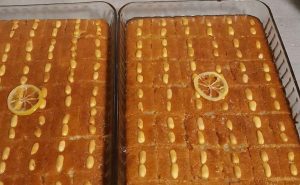
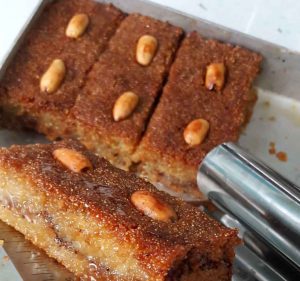
Traditional dessert is better known as a street dessert and is usually served in traditional Turkish bakeries and stalls, in cube form and decorated with almonds or peanuts. The simplicity of the ingredients and the easy cooking method have made this dessert very popular at home. This dessert is very similar to Afghan Soji, both of which are made with semolina.
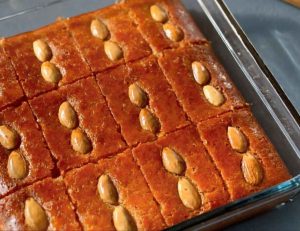
What is Turkish sambali?
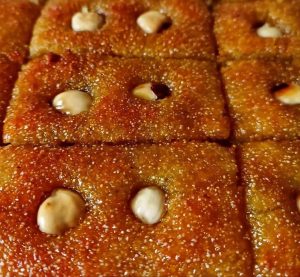
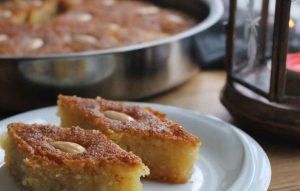
Sambali (Şambali Tatlısı) is a Turkish syrup dessert based on semolina, yogurt, and sugar syrup. Unlike Baghlava or kenaf, Turkish pudding does not have complex layers or a lot of butter, making it a lighter and more economical dessert. After baking, this dessert is soaked in cold or lukewarm syrup and absorbs the syrup well, without becoming doughy or mushy. Syrupy dessert is usually decorated with whole almonds, peanuts, or sesame seeds.
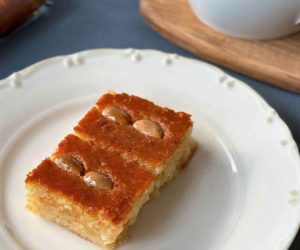
Ingredients for Turkish Sambali (serves 4 to 6)
Semolina flour is definitely used for this dessert, and you must be sure of its quality and freshness.
Cake Ingredients:
| Semolina (wheat flour) | 2 Cups |
| Full-fat yogurt | 1 Cup |
| Sugar | 1 Cup |
| Vanilla | 1 Teaspoon |
| Baking powder | 1 Tablespoon |
| Liquid oil or melted butter | 2 Tablespoons |
| Whole almonds or peanuts | For decoration |
Syrup Ingredients:
| Sugar | 2 cups |
| Water | 2 cups |
| Fresh lemon juice | 1 tablespoon |
How to make Turkish Sambali step by step
Step 1: Prepare the syrup
First, bring the sugar and water to a boil over medium heat. After boiling for 10 minutes, add the lemon juice and turn off the heat after 2 minutes. The syrup should cool completely.
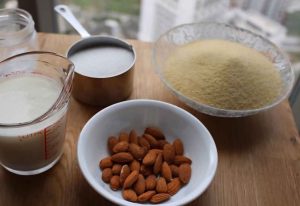
Step 2: Prepare the Sambali filling
In a large bowl, mix the yogurt and sugar until the sugar dissolves. Then add semolina, vanilla, baking powder, and oil, and mix gently until a fairly thick dough is obtained.
Step 3: Preparing for baking
Pour the mixture into a greased mold and smooth its surface. Place the almonds at a distance on the surface of the dessert and sprinkle a little sesame seeds.
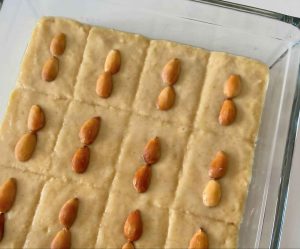
Step 4: Baking
Put the mold in a preheated oven at 170 degrees Celsius for 35-40 minutes until the dessert is golden brown.
Step 5: Adding the syrup
Immediately after removing the dessert from the oven, slowly pour the cooled syrup over the hot Turkish pudding. Let the dessert rest for at least 2 hours so that the syrup is completely absorbed.
Sambali Dessert (Traditional Turkish Sweet)
Ingredients
Method
- Step 1: Prepare the cake batter
- In a large bowl, mix eggs, sugar, and yogurt until smooth. Gradually add semolina, flour, baking powder, vegetable oil, and vanilla extract. Stir until you have a thick, uniform batter.
- Step 2: Bake the cake
- Preheat oven to 180°C (350°F). Grease a baking tray or line it with parchment paper. Pour the batter into the tray and spread evenly. Bake for 20–25 minutes until golden brown and firm.
- Step 3: Prepare the syrup
- While the cake is baking, combine sugar and water in a saucepan. Boil until the sugar dissolves completely. Add lemon juice and rose water, then let it cool slightly.
- Step 4: Soak the cake
- Once the cake is baked, remove from oven and immediately pour the warm syrup evenly over the hot cake. Let the dessert soak for 20–30 minutes to absorb the syrup.
- Step 5: Garnish and serve
- Cut the Sambali into squares or diamonds. Sprinkle with chopped almonds or pistachios. Serve at room temperature or slightly chilled.
Golden tips for authentic Turkish Sambali
- The syrup should be cool and the dessert hot.
- Use coarse semolina.
- The Sambali should not puff up; its texture should be compact and moist.
- Adding a little rose water or cardamom to the syrup creates a wonderful aroma.
History of Turkish Sambali
The roots of Sambali date back to the Ottoman Empire and were first prepared by local confectioners in the western regions of Turkey, especially Izmir. Due to the use of cheap and available ingredients, Syrupy dessert quickly became popular among ordinary people and became one of the symbols of Turkish street desserts. In the past, Sambali was mostly prepared during Ramadan, religious holidays, and traditional ceremonies, but today it can be found in confectioneries all year round.
Properties and benefits of Sambali for the body
1- A source of quick energy
Sambali is a rich source of carbohydrates due to its semolina and sugar syrup. This feature makes it useful for people who have a loss of energy or engage in high physical activity.
2- Helps in weight gain (in controlled consumption)
For people who are underweight, Syrupy dessert can act as a high-calorie and nutritious dessert and help in gaining a healthy weight.
3- Relative supply of B vitamins
Semolina contains B vitamins, especially B1 and B3, which play a role in energy metabolism, nerve function, and reducing fatigue.
4- Longer feeling of satiety
The dense texture of sambal makes you feel fuller for a longer time and prevents overeating (compared to lighter desserts).
5- Suitable for people sensitive to eggs
Since there are no eggs in the traditional Sambali recipe, it is a more suitable option for people who are allergic to eggs.
Disadvantages of consuming too much Sambali for the body
1-High calories
Sambali is not a low-calorie dessert, and consuming too much can lead to weight gain.
2-High sugar
Due to the thick syrup, it is not suitable for diabetics or people with insulin resistance, except in the low-sugar version.
3-High glycemic index
Semolina and sugar cause a relatively rapid increase in blood sugar, so their consumption should be limited.
What to serve Sambali with?
- With Turkish tea
- With Turkish coffee
- With vanilla ice cream (modern version)
- After heavy meat dishes
How to store Turkish Traditional dessert
- In a sealed container in the refrigerator for up to 3 days
- At room temperature for only 24 hours
- Freezing is not recommended
Summary
Turkish Sambali is an authentic, economical, and very tasty dessert that can create a completely traditional and lasting taste with minimal ingredients. If you are interested in syrupy desserts but are looking for a simpler option than baklava, Sambali is the best choice. Just try it once, and it will become one of your regular desserts.
Frequently Asked Questions
-
What is Turkish Sambali dessert made of?
Turkish Sambali is traditionally made from semolina, yogurt, sugar syrup, and almonds. It is baked and then soaked in syrup, similar to Middle Eastern semolina desserts.
-
Is Sambali dessert healthy?
In moderation, Rose water dessert can be a good energy source due to semolina’s complex carbohydrates, but it is high in sugar and should be eaten occasionally.
-
How many calories are in the Sambali dessert?
On average, one piece of Syrupy dessert contains 250-300 calories, depending on syrup amount and portion size.
-
Is Sambali dessert gluten-free?
No. Rose water dessert contains semolina, which is made from wheat and contains gluten, making it unsuitable for people with celiac disease.
-
What is the difference between Sambali and Basbousa?
Sambali is denser, less fluffy, and more syrup-heavy than Basbousa, and it is especially popular in Turkish and Ottoman-style desserts.
