
Subji (Sabzi) Recipe: A Popular and Healthy Indian Vegetable Dish

Subji is a simple and staple dish of many Indians, prepared in almost every household in India, from north to south, in various forms. It is a vegetable dish cooked with Indian spices and is completely vegetarian, vegan, and healthy. Subji does not have a fixed recipe, but rather a style of cooking, in which fresh vegetables are sautéed with aromatic spices and served dry or semi-moist. For this reason, there are hundreds of varieties of Subji in Indian cuisine. In this article, we will teach you the easiest way to prepare Sabzi.

What is Subji?
Subji or Sabzi is a dish whose main base is seasonal vegetables such as potatoes, cauliflower, peas, eggplant, spinach, carrots, or pumpkin. These vegetables are cooked with oil, onions, and spices like cumin, turmeric, coriander, and garam masala. Sabzi is usually served with breads like roti, chapati, or plain rice and forms the main part of an everyday Indian meal. Famous Indian dishes such as Sev Puri and Chole Bhature, which are known as street food and are completely vegetarian.
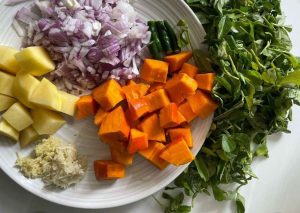
Ingredients for Vegetable Subji (Serves 4)
The vegetables in this dish can be varied to your taste, and we have provided you with a variety of Sabji here.
| Potatoes | 2 medium |
| Cauliflower | 1 cup chopped |
| Peas | 1/2 cup |
| Carrots | 1 ring |
| Green pepper | 1 (optional) |
| Onion | 1 medium, diced |
| Garlic | 2 cloves, finely chopped |
| Fresh ginger | 1 teaspoon grated |
| Vegetable oil | 2 to 3 tablespoons |
| Turmeric | 1/2 teaspoon |
| Cumin | 1/2 teaspoon |
| Coriander powder | 1 teaspoon |
| Garam masala | 1/2 teaspoon |
| Salt | As needed |
Step-by-step Subji recipe (instructional)
Step 1: Prepare the vegetables
Wash all the vegetables and chop them into roughly the same size pieces so that they cook evenly during cooking. It is better not to chop the vegetables too finely to retain their texture.
Step 2: Roast the base spices
In a large pan or pot, heat the oil over medium heat. Add the cumin seeds and let them roast for a while to release their aroma. This is the most important part of the Sabzi flavor.
Step 3: Add the onion, garlic, and ginger
Add the chopped onion and fry until golden and soft, then add the garlic and ginger and fry for about 30 seconds to remove their raw smell.
Step 4: Add the spices
Add the turmeric, coriander powder, and salt, and stir quickly so that the spices don’t burn. This is where the main aroma of Indian food comes from.
Step 5: Cook the vegetables
Add the chopped vegetables and mix everything well. Reduce the heat, cover the pan, and let the vegetables steam. Add 2 to 3 tablespoons of water if needed.
Step 6: Final seasoning
After the vegetables are soft, add the garam masala and green chilies and keep the food on low heat for another 5 minutes to let the flavors blend completely.
Indian Vegetable Subji (Sabzi)
Ingredients
Method
- Step 1: Prepare Vegetables
- Wash all vegetables thoroughly and chop them into medium-sized pieces to ensure even cooking.
- Step 2: Heat Oil & Bloom Spices
- Heat oil in a pan over medium heat. Add cumin seeds and let them crackle until fragrant.
- Step 3: Sauté Aromatics
- Add chopped onion and cook until golden. Add garlic and ginger, saute for 30 seconds.
- Step 4: Add Spices
- Lower heat and add turmeric, coriander powder, and salt. Stir quickly to avoid burning.
- Step 5: Cook Vegetables
- Add all vegetables and mix well. Cover and cook on low heat for 15-20 minutes. Add a few tablespoons of water if needed.
- Step 6: Final Touch
- Sprinkle garam masala and green chili. Cook uncovered for 5 more minutes until flavors blend.
Golden tips for tasty Subji
- Use seasonal vegetables
- The Subji should not be too watery
- Be sure to add the spices on low heat
- You can add a little lemon juice or fresh coriander at the end

Properties of Subji for the body
- Rich in dietary fiber
The presence of a variety of vegetables increases fiber, which helps improve digestion, prevent constipation, and maintain intestinal health.
- Low-calorie and filling
Subji is high in volume and low in calories, making it an excellent option for weight loss diets and appetite control.
- Has anti-inflammatory properties
Turmeric and ginger in Subji contain anti-inflammatory compounds that help reduce joint pain and chronic inflammation.
- Helps control blood sugar
When prepared without potatoes and with minimal oil, it has a low glycemic index and is more suitable for people with diabetes.
- Suitable for vegetarians and vegans
This dish is completely plant-based and can provide part of the body’s protein needs when combined with legumes.
Possible disadvantages of Subji if consumed incorrectly
- Excessive use of oil
will increase calorie intake, fat intake, and weight gain in the long run.
- Excessive consumption of spicy spices
may cause burning and discomfort in people with sensitive stomachs, reflux, or digestive problems.
- Continuous consumption of a lot of white bread or white rice
can cause a rapid increase in blood sugar and reduce the nutritional value of the meal.
What to serve Subji with?
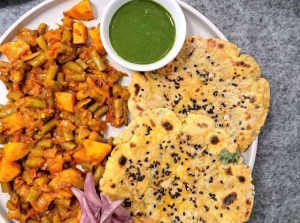
- Roti or Chapati Bread
- Plain or Basmati Rice
- Plain Yogurt or Raita
- Pickle

Conclusion
Subji is one of the healthiest, simplest, and most versatile Indian dishes that can be adapted to any type of vegetable and taste. This dish is suitable for both daily meals and for those looking for healthy, vegetarian, and aromatic nutrition. This food is the best option for vegetarians and is a complete and beneficial food. India has a wide variety of food, and simple and quick foods cooked on the streets are very attractive to tourists. You can easily prepare many dishes at home and experience traveling to the world of Indian cuisine.