
Homemade Fig Jam: Easy and Delicious Recipe

Homemade Fig Jam is one of the most delicious and nutritious homemade preserves, loved for its pleasant aroma, soft texture, and naturally sweet flavor. With its rich taste and beautiful appearance, this colorful jam is a perfect addition to breakfast tables and can also be used in a variety of desserts, cakes, and pastries. Many families enjoy making homemade fig jam during fig season as a delicious way to preserve the fresh taste of this summer fruit for months.
Figs themselves are known for their natural sweetness, delicate texture, and impressive nutritional value. In addition to being enjoyed fresh, they are commonly used in recipes such as marmalades, smoothies, cakes, fruit desserts, and traditional dishes. If you have never tried making homemade fig jam before, don’t worry. By following a few simple tips, you can create a flavorful jam with a beautiful color and texture that tastes even better than wide store-bought varieties.

If you have never tried making a Homemade Fig Jam recipe before, don’t worry. This easy fig jam recipe uses simple ingredients and basic techniques to create a delicious homemade preserve with rich flavor and beautiful texture. This homemade jam has a similar recipe to cherry jam and strawberry jam.
Why is Homemade Fig Jam so popular?
Many people prefer homemade fruit spreads because they can control the ingredients and the sweetness level. Similar to traditional fig preserves, homemade versions often have a fresher taste and a richer fruit flavor than store-bought products. Making jam at home also allows you to enjoy the natural sweetness and texture of fresh figs.
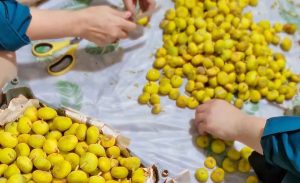
Ingredients for Homemade Fig Jam
To make about 4 medium jars of jam, you will need the following ingredients:
Amount of ingredients
| Fresh figs | 1 kg |
| Sugar | 800 g to 1 kg |
| Water | 1 glass |
| Fresh lemon juice | 1 tablespoon |
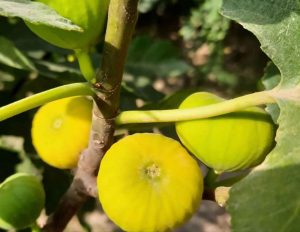
The best figs for Homemade Fig Jam
It is best to use healthy, ripe, and relatively firm figs to make jam. Figs that are too soft may be crushed during cooking and change the appearance of the jam.
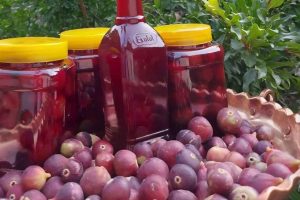
How to make fig jam step by step
Step 1: Wash and prepare the figs
Gently wash the figs and let them dry completely. If the figs have long stems, trim the excess.
If the fruits are small, keep them whole. Larger figs can be cut in half.
Step 2: Combine the figs and sugar
Place the figs in a saucepan and pour the sugar over them in a layer.
Place the pot in the refrigerator for 6 to 8 hours or overnight to allow the fruits to release water and the sugar to dissolve properly.
Step 3: Start Cooking the Jam
Place the pot over medium heat and add a glass of water.
Allow the ingredients to simmer gently. During cooking, regularly skim off the foam that forms on the surface of the jam to make the jam clearer.
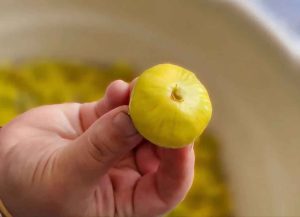
Step 4: Reaching the Right Thickness
Simmer the jam for about 35 to 45 minutes until the syrup reaches the right thickness.
To test the consistency, pour a few drops of the syrup onto a cold plate. If it moves slowly and does not spread quickly, the jam is ready.
Step 5: Add Lemon Juice
Add fresh lemon juice during the last 2 to 3 minutes of cooking.
This helps prevent sugar crystallization, preserves the jam’s natural color, and improves its shelf life.
Step 6: Cool and Store
After turning off the heat, let the jam cool completely.
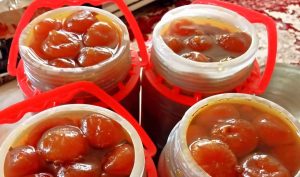
Then pour it into sterile, dry jars and close them tightly.
Homemade Fig Jam
Ingredients
Method
- Wash the figs gently and dry them completely. Remove excess stems and cut large figs in half if needed.
- Place the figs and sugar in layers inside a large saucepan.
- Cover and refrigerate for 6–8 hours or overnight until the fruit releases its natural juices.
- Place the saucepan over medium heat and add 1 cup of water.
- Allow the mixture to simmer gently and skim off any foam that forms on the surface.
- Cook for 35-45 minutes until the syrup thickens.
- Add fresh lemon juice during the last 2-3 minutes of cooking.
- Remove from heat and let the jam cool completely.
- Transfer to sterilized jars and seal tightly.
Secrets to beautiful Homemade Fig Jam
- Use fresh and healthy figs.
- Do not over-boil the jam.
- Remove the foam from the jam regularly.
- Use medium heat.
- Add lemon juice at the end of cooking.
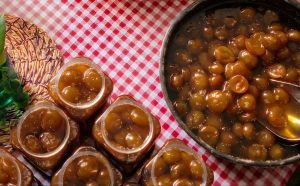
How to Prevent Sugar Crystals in Fig Jam
Sugar crystallization is one of the most common issues when making jam. To prevent this problem:
- Use the correct fruit-to-sugar ratio
- Add lemon juice near the end of cooking
- Avoid overcooking the syrup
- Keep moisture out of the jar
- Always use a clean, dry spoon
What causes fig jam to become moldy?
Mold usually occurs for the following reasons:
- The jam syrup is too thin
- Using damp containers
- Not closing the container lid completely
- Storing in a warm environment
Uses of Homemade Fig Jam
- Serving with bread and butter
- Using for breakfast
- Serving with cheese
- Using in various cakes and pastries
- Making tarts and desserts
- Serving with Greek yogurt
Properties of figs
Figs are rich in nutrients and beneficial compounds:
- A good source of dietary fiber
- Contains antioxidants
- Helps with digestive health
- Contains potassium and calcium
- Helps with heart health
- Provides energy to the body
Conclusion
Homemade Fig Jam is one of the tastiest homemade preserves you can make with simple ingredients and fresh fruit. By choosing quality figs, following the proper cooking time, and using the tips shared in this guide, you can create delicious homemade fig jam with a beautiful color and perfect texture. Whether you are looking for a fresh fig jam for breakfast or an easy fig jam recipe to use in desserts and baked goods, this recipe offers flavorful results every time.
Frequently asked questions
Can fig jam be made with less sugar?
Yes, but the shelf life and consistency of the jam may decrease.
Why does fig jam turn dark?
Long-term cooking and high heat are the most important reasons for the jam to darken.
Can fig jam be made without water?
Yes, if the figs are juicy, you can omit the extra water.
How long does fig jam last?
If stored properly in sterile containers, it can be used for up to a year.
