
Samoon: Traditional Bread with a Soft and Simple Texture

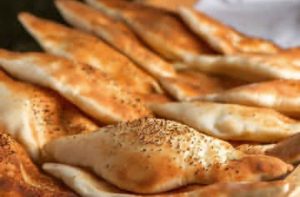
Samoon is one of the most popular traditional Middle Eastern breads, known for its elongated oval shape, golden crust, and soft and light interior. This bread has a special place in Iraq and is a regular on daily tables. If you are looking for a soft, fragrant, and sandwich-friendly homemade bread, Samun bread is a great option. In this article, we will teach you how to make Samon bread step by step, along with professional tips, storage methods, nutritional value reviews, and answers to frequently asked questions, so that you can make a perfectly puffy and marketable bread at home. In Iran, there are similar breads such as Taftoon and Barbari that have a similar taste to Samoon bread.

What is Samoon?
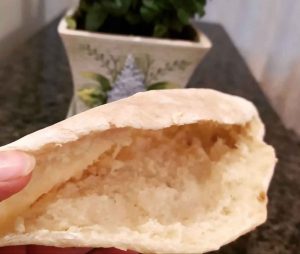
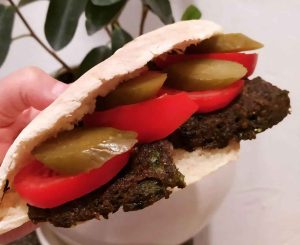
Samoon is a traditional and voluminous Middle Eastern bread that is most popular in Iraq and is known for its elongated oval shape and sharp tip, golden crust, and soft and cottony interior. This bread is usually baked in a very hot oven or in a tandoor and is a great option for sandwiches such as falafel and kebabs due to its light and flexible texture. Samun is between a baguette and hamburger buns in texture, but has a milder flavor and a softer crust, and is also popular in many parts of Iran.

Ingredients for Samoon Bread (6 medium-sized pieces)
| Bread flour or white flour | 4 cups (about 500 grams) |
| Warm water | 1- 1/2 cups |
| Instant yeast | 1 tablespoon |
| Sugar | 1 tablespoon |
| Salt | 1 teaspoon |
| Oil | 2 tablespoons |
Step-by-step instructions for making Samun Bread
Step 1: Activate the yeast
In a small bowl, mix the yeast, sugar, and 1/2 cup of lukewarm water. The water temperature should be around 35- 40 degrees (not hot or cold), and wait 10 minutes for the surface to foam. This step shows that the yeast is active and your samoon bread will puff up well.
Step 2: Prepare the dough
In a large bowl, mix the flour and salt, then add the activated yeast mixture, the remaining water, and oil. Combine the ingredients by hand or with a dough mixer to form a dough.
Knead the dough for about 8-10 minutes until it is completely soft, smooth, and elastic. If the dough is too sticky, add a little flour, but be careful not to make the dough stiff.
Step 3: First rest (Initial rise)
Place the dough in a greased bowl and cover it with a cloth or cellophane. Rest in a warm place for about 1 hour until it doubles in size. This step plays an important role in the light and airy texture of the samoon bread.
Step 4: Shape the loaves
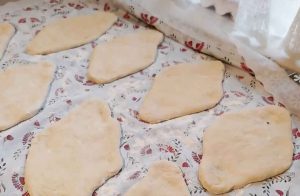
After resting, place the dough on a work surface and knead briefly to remove excess air. Divide the dough into 6 equal parts and roll each part into a round shape, then into an oval. The traditional shape of the Samoon bread is slightly elongated and pointed. With your hands, gently make the two ends of the dough a little narrower to create the main shape of the Samun.
Step 5: Second rest
Place the shaped loaves on a baking tray lined with parchment paper. Cover them and let them rest for another 20 minutes. This short rest will help the loaves puff up better during baking.
Step 6: Bake the Samoon Bread
Preheat the oven to 220°C, and if you have a baking stone, using it will give better results. You can spray a little water on them before placing them in the oven to give them a shiny and crispy crust. Bake the loaves for 12 to 15 minutes until they are completely golden on top. Then remove from the oven and place on a wire rack to cool.
Ingredients
Method
- Activate Yeast
- Mix yeast, sugar, and 1/2 cup warm water. Wait 10 minutes until foamy.
- Prepare Dough
- Combine flour and salt in a large bowl. Add yeast mixture, remaining water, and oil. Knead 8-10 minutes until soft and elastic.
- First Rest (Initial Rise)
- Place dough in a greased bowl, cover, and rest 1 hour until doubled.
- Shape Loaves
- Punch down excess air. Divide into 6 pieces, roll into ovals, taper the ends slightly for traditional Samoon shape.
- Second Rest
- Place on parchment-lined tray, cover, and rest 20 minutes.
- Bake
- Preheat oven to 220°C (428°F). Spray lightly with water for a shiny crust. Bake 12-15 minutes until golden. Cool on wire rack.
Golden tips for having professional samon bread
✔ Add flour little by little so that the dough does not harden.
✔ Sufficient kneading creates a cottony and light texture.
✔ High oven temperature is the secret to a crispy and professional crust.
✔ If your oven bakes dry, place a container of water in the oven to create steam.
✔ Let the loaves cool completely, then slice.
Benefits of samon bread for the body
- Quick energy source: Due to its carbohydrates, salmon bread can quickly provide the body with the energy it needs and is a good option to start the day or before physical activity.
- Suitable for daily activities: The combination of carbohydrates and a balanced amount of protein helps maintain energy levels throughout the day.
- Relatively low fat: Compared to sweet or buttery breads, samon bread is lower in fat and is considered a lighter choice.
- Usable in various meals: This bread can be eaten for breakfast, lunch, or dinner, and is suitable for making a variety of sandwiches or serving with various dishes.
Disadvantages of consuming too much samoon bread
- Relatively high glycemic index: Usually made with white flour, samoon bread can cause a rapid increase in blood sugar; therefore, it should be consumed with caution by people with diabetes or insulin resistance.
- Unsuitable for low-carb diets: Due to its high carbohydrate content, this bread is not a good option for diets such as ketogenic or low-carb.
- Potential for weight gain: Continuous and excessive consumption, especially in combination with a sedentary lifestyle, can lead to excess calorie intake and weight gain.
- Low fiber in white flour: If samon bread is made with white flour, it has little fiber, which may not provide a long-lasting feeling of fullness and is less beneficial for digestive health.
Uses of samun bread
Samun bread is very practical and can be used for:
- Falafel sandwiches
- Serving with kebabs
- Breakfast with cheese and eggs
- Making hot sandwiches
- Using with stews
How to store samoon bread
- At room temperature: 1 to 2 days in a cloth bag
- In the refrigerator: up to 4 days
- Freezing: up to 2 months
To use after freezing, allow it to defrost at room temperature or heat it in the oven for 5 minutes.
Differences between Samoon bread and other breads
Samoon bread is between a baguette and a hamburger bun in terms of texture. Its crust is relatively crispy, but the inside is soft and tender, and unlike some bulky industrial breads, Samoon bread has a milder yeast flavor and is lighter.
Summary
Samoon bread is one of the most delicious and practical traditional breads in the Middle East, whose soft texture, golden crust, and special shape make it an excellent choice for various meals. By following the steps mentioned and professional tips, you can make homemade Samoon bread with a quality similar to that of traditional bakeries. Try this Samun bread recipe and spread the aroma of fresh bread in your home. What is the name of the local bread in your city?
Frequently Asked Questions About Samoon Bread
-
Why didn’t my Samoon bread rise?
The yeast probably wasn’t active, or the dough didn’t rest long enough.
-
Can I use whole wheat flour?
Yes, but the texture of the bread will be a little denser.
-
Why is the crust hard?
Low oven temperature or a lack of steam will cause the crust to be hard.
-
Can I make it without oil?
Yes, but the texture of the bread will be a little drier.
-
How to keep the samoon bread soft?
After cooling, store it in a cloth bag or sealed container.

Excellent my friend.
I always follow your page.