
Indian Samosa Recipe: Crispy Homemade Potato Samosas
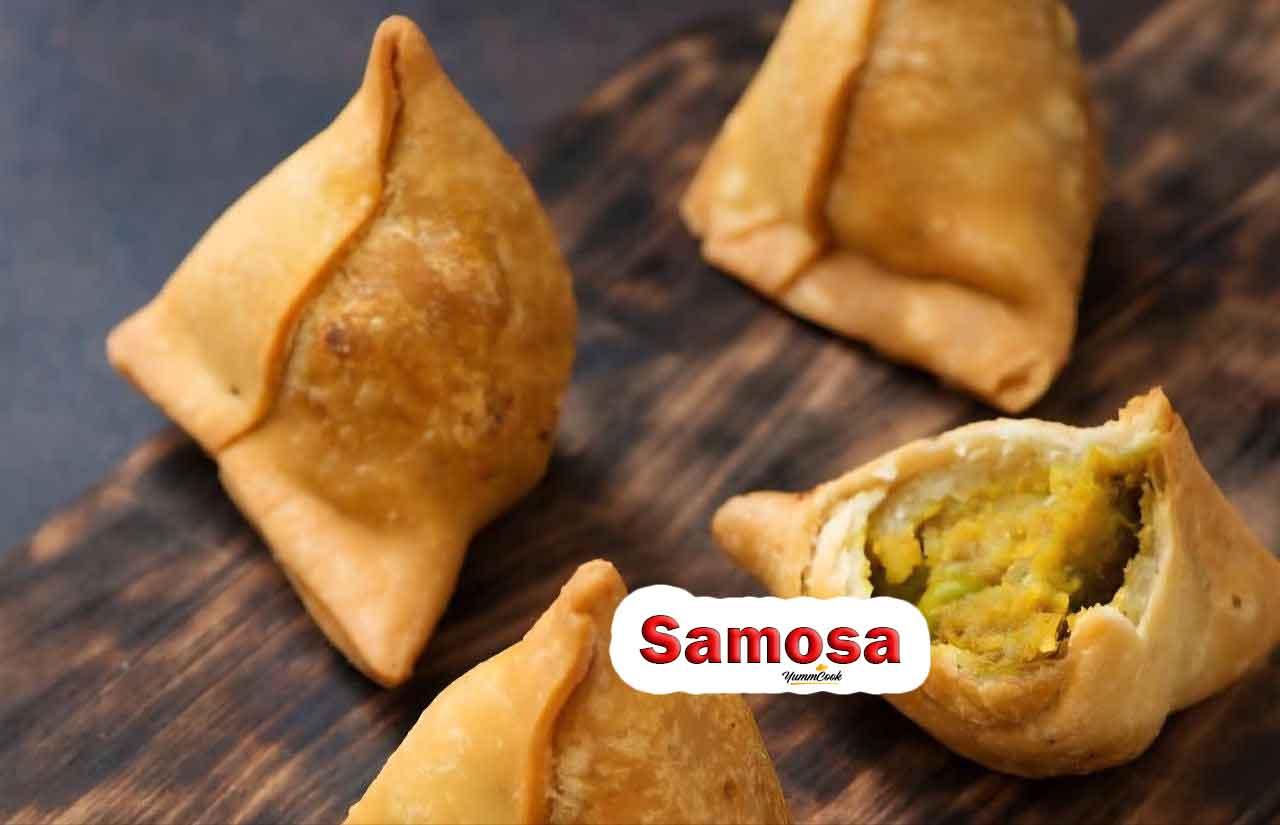
Indian Samosa Recipe is one of the most famous street food recipes in the world. Known for its crispy golden crust and flavorful spiced potato filling, this classic snack has become a favorite not only in India but also across Asia, the Middle East, Europe, and North America. Whether served as an appetizer, a tea-time snack, or a party food, homemade samosas are always a crowd-pleaser.
If you’ve never made samosas before, don’t worry. This easy samosa recipe walks you through every step, from preparing the dough to folding and frying the pastries until perfectly crisp. Once you try making them from scratch, you’ll understand why this Indian samosa recipe has remained a beloved classic for generations.
Why You’ll Love This Indian Samosa Recipe
There are many reasons why this recipe stands out from ordinary snacks.
First, the pastry becomes beautifully crisp and flaky while staying light rather than greasy. Inside, the soft potato filling is seasoned with traditional Indian spices that create a warm and comforting flavor without overpowering the natural sweetness of the potatoes.
Another reason to love this recipe is its versatility. You can prepare these crispy samosas ahead of time and freeze them before frying, making them perfect for busy days or unexpected guests. They can also be baked or air-fried for a lighter version without sacrificing too much crunch.
Whether you’re looking for an authentic Punjabi samosa, a simple vegetable samosa, or a delicious homemade appetizer, this recipe is easy enough for beginners while producing restaurant-quality results.
This homemade samosa recipe is naturally vegetarian because the traditional filling contains potatoes, peas, herbs, and spices instead of meat. If you use vegetable oil instead of ghee, it can also be enjoyed as a delicious vegan samosa.

What Is an Indian Samosa?
An Indian samosa is a triangular pastry filled with a savory mixture of potatoes, peas, herbs, and aromatic spices before being deep-fried until golden brown.
Although similar pastries exist in many countries, the Indian version is especially famous for its crispy crust and richly seasoned filling. It is believed that samosas originated in Central Asia before traveling to the Indian subcontinent centuries ago. Over time, Indian cooks transformed the recipe by adding local spices and vegetables, creating the iconic snack enjoyed today.
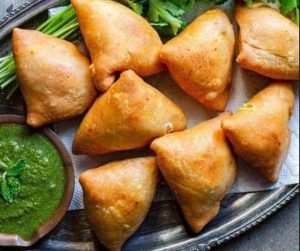
Today, samosas are sold everywhere in India, from busy street food stalls to elegant restaurants. They are traditionally served with mint chutney, tamarind chutney, or yogurt sauce and are often enjoyed with a hot cup of masala chai.

Ingredients for Indian Samosa Recipe
To make approximately 12 medium samosas, you’ll need the following ingredients.
For the Dough
| Flour | 2 cups |
| Vegetable oil or ghee | 4 tablespoons |
| Salt | ½ teaspoon |
| Ajwain (carom seeds) (optional but recommended) | ½ teaspoon |
| Warm water | About ½ cup |
Adding oil directly to the flour creates the flaky texture that makes authentic samosa pastry so unique.
For the Potato Filling
| Potatoes, boiled and mashed | 4 medium |
| Green peas | 1 cup |
| Onion, finely chopped | 1 medium |
| Garlic, minced | 2 cloves |
| Fresh ginger, grated | 1 tablespoon |
| Chilies, finely chopped (optional) | 2 green |
| Vegetable oil | 2 tablespoons |
Spices
| Cumin seeds | 1 teaspoon |
| Coriander powder | 1 teaspoon |
| Turmeric | ½ teaspoon |
| Garam masala | 1 teaspoon |
| Red chili powder | ½ teaspoon |
| Salt | To taste |
| Black pepper | To taste |
Fresh Ingredients
| Chopped cilantro | 2 tablespoons |
| Lemon juice | 1 tablespoon |
The combination of potatoes, peas, herbs, and spices creates the traditional potato samosa filling that has become popular worldwide.
The Best Potatoes for Samosas
Choosing the right potatoes makes a noticeable difference in texture.
Starchy potatoes such as Russet potatoes work best because they become soft and fluffy after boiling. Yukon Gold potatoes are another excellent option, offering a naturally creamy texture with a slightly buttery flavor.
Avoid waxy potatoes because they hold too much moisture and can make the filling sticky instead of light and fluffy.
Once cooked, allow the potatoes to cool slightly before mashing. Leaving a few small chunks in the mixture creates a more authentic homemade texture.
How to Make Samosa Step by Step
Step 1: Prepare the Samosa Dough
In a large mixing bowl, combine the all-purpose flour, salt, and ajwain seeds. Add the vegetable oil or ghee and rub it into the flour with your fingertips until the mixture resembles coarse crumbs. Gradually add warm water and knead until you have a firm, smooth dough. Cover the dough with a clean kitchen towel and let it rest for 30 minutes.
Step 2: Make the Potato Filling
Heat the oil in a skillet over medium heat. Add the cumin seeds and let them sizzle for a few seconds. Stir in the chopped onion and cook until soft, then add the garlic, ginger, and green chilies. Mix in the coriander powder, turmeric, garam masala, and red chili powder. Add the boiled potatoes and green peas, stirring until everything is well combined. Finish with chopped cilantro and fresh lemon juice, then let the filling cool completely.
Step 3: Shape the Samosas
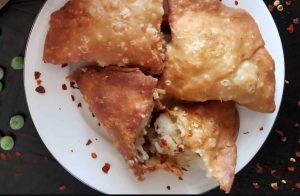
Divide the rested dough into equal portions and roll each one into a thin oval. Cut each oval in half to form two semicircles. Fold one semicircle into a cone, sealing the edge with a little water. Fill the cone with about 2 tablespoons of the potato mixture, then seal the top firmly to create the traditional triangular samosa shape.
Step 4: Fry Until Crispy
Heat enough oil in a deep pan to 325°F (160°C). Fry the samosas over medium-low heat for 8–10 minutes, turning occasionally until they are evenly golden brown and crispy. Remove them with a slotted spoon and place them on paper towels to drain excess oil.
Step 5: Serve and Enjoy
Serve the hot homemade samosas with mint chutney, tamarind chutney, or a yogurt dip. They also pair perfectly with a cup of masala chai and make a delicious appetizer, snack, or party food.
Indian Samosa Recipe
Ingredients
Method
- Mix the flour, salt, and oil until crumbly. Gradually add water and knead into a firm dough. Cover and let it rest for 30 minutes.
- Heat oil in a pan and sauté the cumin seeds, onion, garlic, ginger, and green chili until fragrant.
- Add the peas and cook for 2–3 minutes.
- Stir in the potatoes, coriander powder, turmeric, garam masala, chili powder, and salt. Mix well and cook for another 3–4 minutes.
- Remove from the heat and mix in the chopped cilantro. Let the filling cool.
- Divide the dough into equal balls and roll each into a thin oval.
- Cut each oval in half and shape each half into a cone.
- Fill each cone with the potato mixture and seal the edges with water.
- Heat oil to about 325°F (160°C) and fry the samosas until golden brown and crispy, about 8–10 minutes.
- Drain on paper towels and serve hot with mint chutney or tamarind sauce.
How to Fry Samosas Perfectly
Heat enough vegetable oil in a deep pan to 325°F (160°C).
One of the biggest secrets to making a crispy samosa recipe is frying the samosas slowly over medium-low heat rather than using high heat. If the oil is too hot, the outside will brown quickly while the pastry remains soft inside.
Carefully place a few samosas into the hot oil without overcrowding the pan. Fry them for about 8 to 10 minutes, turning occasionally until they become evenly golden brown and crisp.
Transfer the fried samosas to a plate lined with paper towels to remove excess oil before serving.
Can You Bake or Air Fry Samosas?
Yes. If you prefer a lighter version, both methods work well.
For baked samosas, preheat your oven to 400°F (200°C). Brush each samosa lightly with oil and bake for 25-30 minutes, turning halfway through, until golden and crisp.
For air fryer samosas, brush them lightly with oil and cook at 375°F (190°C) for 15-18 minutes, flipping once halfway through cooking.
Although fried samosas develop the crispiest crust, baked and air-fried versions are excellent alternatives for anyone looking to reduce oil.
Tips for Crispy Homemade Samosas
- Making restaurant-quality homemade samosas is easy when you follow a few important tips.
- Use a firm dough rather than a soft one. Soft dough creates bubbles and a chewy texture instead of flaky pastry.
- Always let the dough rest before rolling. Resting improves elasticity and prevents shrinking.
- Allow the filling to cool completely before assembling the samosas. Warm filling creates steam that can soften the pastry.
- Fry over medium-low heat instead of high heat. Slow frying is the secret to a crispy shell.
- Seal every edge carefully with water to prevent the filling from leaking during frying.
- Finally, avoid overcrowding the pan. Frying only a few samosas at a time helps maintain the oil temperature.
Samosa vs Samsa: What’s the Difference?
Although samosa and samsa look similar, they are two different pastries with unique origins, flavors, and cooking methods. Both are filled pastries, but each reflects the culinary traditions of its region.
A traditional Indian samosa is usually deep-fried and filled with a flavorful mixture of potatoes, peas, herbs, and aromatic spices such as cumin, coriander, and garam masala. Its crispy shell and spicy filling have made it one of the most popular Indian street food snacks around the world.
Samsa, on the other hand, is a traditional pastry from Central Asia. Unlike samosas, samsas are usually baked instead of fried and are commonly filled with minced lamb or beef, onions, and simple seasonings. The pastry is often made with layered or puff dough, giving it a flaky, buttery texture.
If you enjoy spicy vegetarian snacks, samosa is an excellent choice. If you prefer a hearty baked pastry with a savory meat filling, samsa is worth trying. Both recipes are delicious in their own way and showcase the rich food traditions of Asia.
Common Mistakes to Avoid
Even experienced cooks occasionally make mistakes.
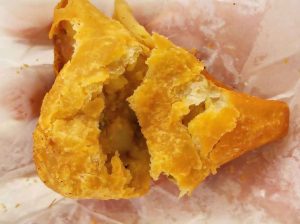
- If your samosas become soft instead of crispy, the oil was probably too hot, or the dough contained too much water.
- If they burst open during frying, the edges were not sealed properly, or the filling was packed too tightly.
- If the pastry develops bubbles, the dough may have been kneaded too much or fried at a temperature that was too high.
- Another common mistake is using filling that is too wet. Always cook away excess moisture before assembling the samosas.
Indian Samosa Variations
One reason this Indian samosa recipe is so popular is its versatility.
Punjabi Samosa
The classic Punjabi samosa features a generous filling of potatoes, peas, and aromatic spices inside a thick, crispy pastry.
Vegetable Samosa
A vegetable samosa includes carrots, cauliflower, beans, spinach, or corn in addition to potatoes.
Chicken Samosa
Ground or shredded chicken seasoned with Indian spices creates a flavorful, protein-rich filling.
Keema Samosa
One of the most popular versions uses spiced ground lamb or beef instead of vegetables.
Cheese Samosa
Mozzarella, paneer, or cheddar cheese creates a creamy filling that’s especially popular with children.
What to Serve with Indian Samosas
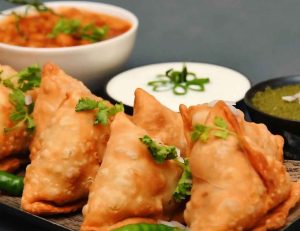
Freshly fried samosas taste wonderful on their own, but they become even better when paired with traditional sauces.
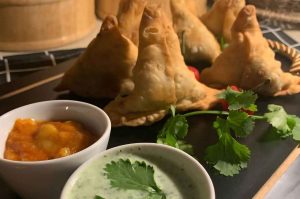
Mint chutney provides a cool, refreshing contrast to the warm spices.
Sweet tamarind chutney adds a delicious balance of sweetness and tanginess.
Many people also enjoy serving samosas with plain yogurt, cucumber raita, or spicy garlic sauce.
For drinks, masala chai is the traditional choice, while mango lassi, iced tea, or fresh lemonade also pair beautifully with this popular Indian street food.
How to Store and Reheat Samosas
Allow the samosas to cool completely before storing them.
Place leftovers in an airtight container and refrigerate for up to 4 days.
For longer storage, freeze uncooked or cooked samosas for up to 3 months.
To reheat, bake them in a 375°F (190°C) oven for about 10-15 minutes, or use an air fryer until crisp. Avoid microwaving whenever possible because it softens the pastry.
Are Homemade Samosas Healthy?
Although traditional samosas are deep-fried, making them at home allows you to control both the ingredients and cooking method.
Potatoes provide fiber, potassium, and vitamin C, while peas add plant protein and additional fiber.
Spices such as turmeric, cumin, coriander, and ginger contain natural antioxidants and contribute rich flavor without extra calories.
If you’re looking for a lighter snack, baking or air frying significantly reduces the amount of oil while still producing a delicious result.
Frequently Asked Questions
Can I make samosas ahead of time?
Yes. Assemble the samosas one day ahead and refrigerate them until ready to fry.
Can I freeze homemade samosas?
Absolutely. Freeze them before or after frying for up to three months.
Why aren’t my samosas crispy?
The dough may have been too soft, or the oil may have been too hot. Fry slowly over medium-low heat for the best texture.
Can I bake instead of fry?
Yes. Baking produces a lighter but still delicious version with a crisp exterior.
What oil is best for frying samosas?
Neutral oils such as vegetable, sunflower, peanut, or canola oil work best because they have high smoke points.
Can I make vegan samosas?
Yes. Simply use vegetable oil instead of ghee. The traditional potato filling is naturally vegan.

Conclusion
Homemade Indian samosas are easier to make than many people think. Once you learn how to prepare the dough and shape the pastries, you can enjoy crispy, golden samosas whenever you like. Whether you serve them with mint chutney for tea time or as a party appetizer, this Indian samosa recipe is sure to become one of your favorite homemade snacks. Love this samosa recipe? Explore our Mantu Recipe, Boyoz Recipe, and Subji for more delicious homemade recipes from Asia and the Middle East.
wikipedia(samosa)
