
Bazlama: Traditional Turkish Bread
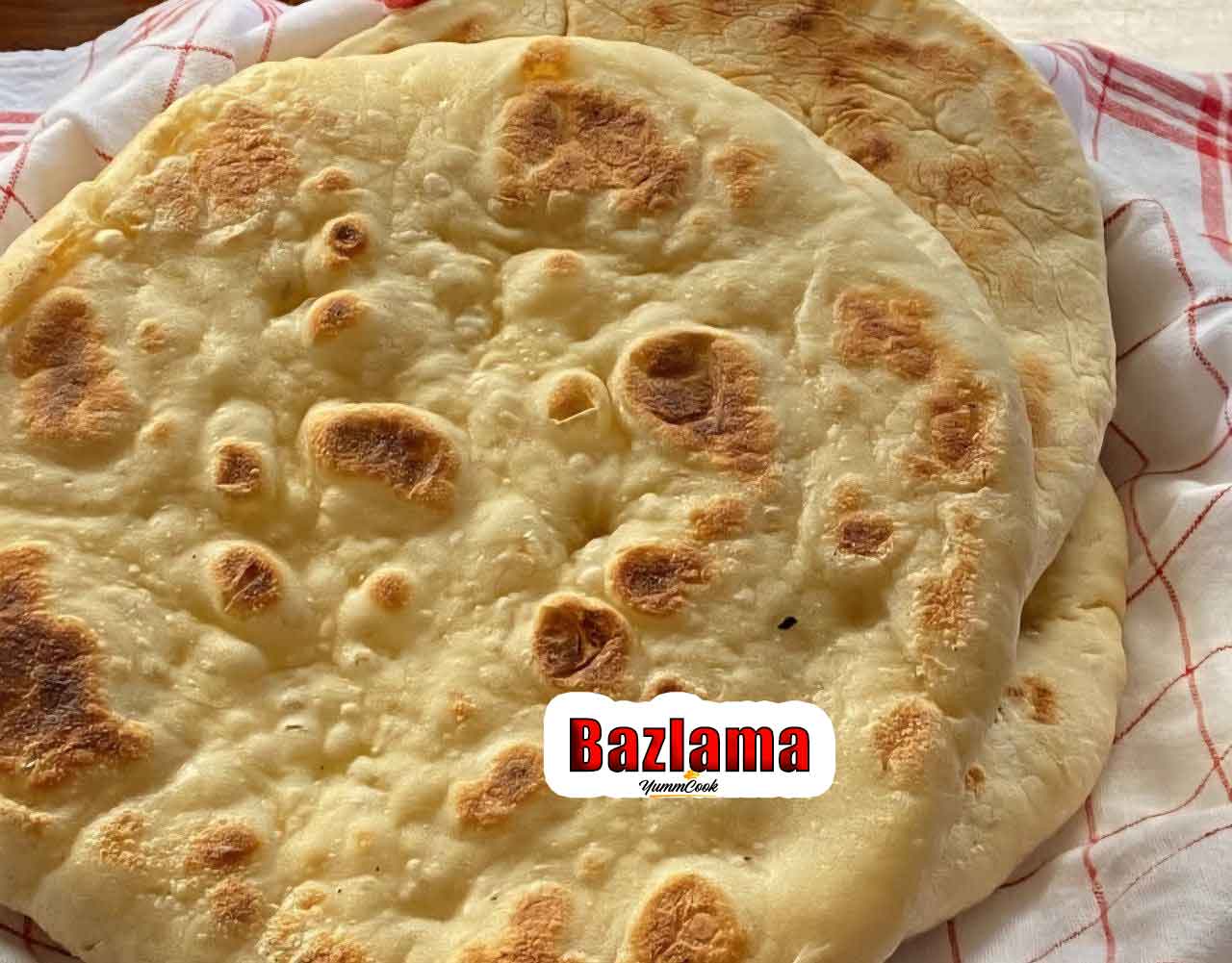
Bazlama is one of the most popular traditional breads in Turkey, known for its soft texture, proper thickness, and pleasant aroma. Usually baked on a griddle or pan, this bread has a special place on the breakfast table in various villages and cities of Turkey and is often served with cheese, olives, honey, or butter. If you are looking for a simple, soft, and different homemade bread, Baslama can be a great choice for you. In this article, you will learn in full about the history, ingredients, preparation, professional tips, nutritional value, and serving methods of this bread.
What is Bazlama?
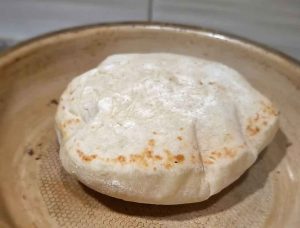
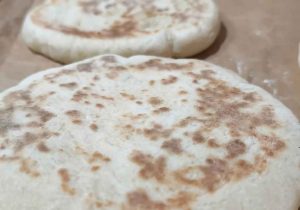
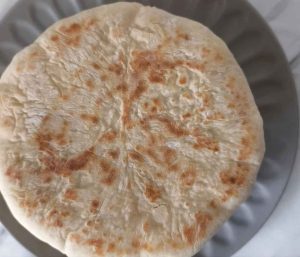
Bazlama is a traditional Turkish bread made with wheat flour, yogurt, and yeast. This bread is round and relatively thick in appearance, and when baked in a pan, it puffs up and acquires a spongy and tender texture. Unlike many Middle Eastern breads that are thin, baslama is thicker, making it a great option for sandwiches or served with meat dishes. This bread is very similar to Shelpek and Regag bread, and has a great aroma and flavor.
Ingredients for Bazlama Bread
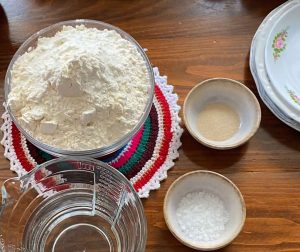
Bazlama is one of the breads that has become very popular due to its simple ingredients and the lack of an oven. In many traditional homes in cities like Ankara and Istanbul, this bread is still baked on a large metal griddle.
| White flour | 4 Cups |
| Instant yeast | 1 Tablespoon |
| Sugar | 1 Tablespoon |
| Salt | 1 Teaspoon |
| Yogurt (at room temperature) | 1 Cup |
| Lukewarm water | About 1 cup |
| Cooking oil (optional) | 2 Tablespoons |
Step-by-step method for Bazlama bread
Step 1: Activate the yeast
Mix the yeast and sugar with half a glass of lukewarm water and let it sit for 5 to 10 minutes until it foams. This stage indicates that the yeast is active.
Step 2: Prepare the dough
In a large bowl, mix the flour and salt, and add the yogurt and yeast. Gradually add the water and start kneading. The dough should be soft, smooth, and slightly elastic. Knead for about 8 to 10 minutes.
Step 3: First rest of the dough
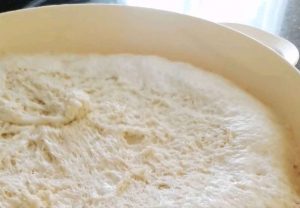
Place the dough in a greased bowl, cover it, and leave it in a warm place for about 1 hour until it doubles in size.
Step 4: Divide and shape
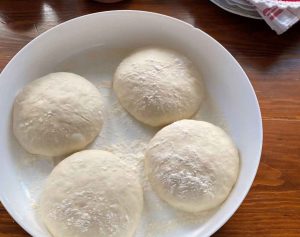
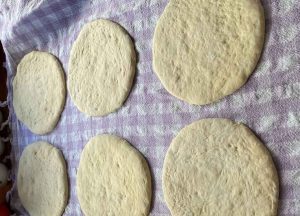
Divide the dough into 6 to 8 pieces and roll each piece out to about 1 cm thick with a rolling pin or your hands. Let the rolled-out pieces rest for another 15 to 20 minutes.
Step 5: Bake in a pan
Heat a thick pan over medium heat (without oil) and place each piece of dough in the pan, and cook for about 2 to 3 minutes on each side until puffed and golden brown. After the bread is golden brown, it is ready, and you can cover it with a cloth.
Bazlama Bread (Traditional Turkish Skillet Bread)
Ingredients
Method
- Step 1: Activate the Yeast
- Mix yeast and sugar with half a glass of lukewarm water. Let sit for 5-10 minutes until foamy.
- Step 2: Prepare the Dough
- In a large bowl, mix flour and salt. Add yogurt and activated yeast. Gradually add remaining water and knead for 8-10 minutes until soft and elastic.
- Step 3: First Rise
- Place dough in a greased bowl. Cover and let rest in a warm place for 1 hour until doubled in size.
- Step 4: Divide and Shape
- Divide dough into 6-8 portions. Roll each into a round about 1 cm thick. Let rest for 15-20 minutes.
- Step 5: Cook in a Pan
- Heat a thick skillet over medium heat. Cook each dough round for 2-3 minutes per side until puffed and golden brown. Cover with a clean towel after cooking.
Golden tips for having a professional bazlama
- Medium heat is the best option; high heat will dry the bread.
- Using yogurt will make the bread texture more tender.
- After baking, wrap the loaves in a clean cloth to keep them soft.
- If you wish, you can spread a little butter on the warm bread.
Benefits of bazlama bread for the body
1- Providing quick energy
Bazlama is a rich source of carbohydrates, and carbohydrates are the main fuel for the body and brain. Consuming this bread can:
- Provide the energy needed for daily activities
- Improve short-term mental performance
- Be useful for people with high physical activity
2- Helping muscle function
Wheat breads contain some vegetable protein. Although the amount is not high, it can help repair and maintain muscle tissue along with other protein sources.
3- Presence of beneficial bacteria if properly fermented
If the dough has enough time to ferment, the fermentation process can:
- Make digestion easier
- Improve the absorption of some minerals
- Reduce anti-nutritional compounds such as phytate
4- Low fat (if not using a lot of oil)
If not using a lot of oil in its preparation, bazlama is low in fat and is a good option for low-fat diets.
5- Providing B vitamins
If enriched flour is used, this bread can be a source of B vitamins that play a role in energy metabolism, nervous system health, and red blood cell production.
Disadvantages of bazlama bread for the body
1- Relatively high glycemic index
If baslama is prepared with white flour, its glycemic index is high. This can:
- Causes a rapid increase in blood sugar
- Cause problems in people with type 2 diabetes
- In the long term, exacerbate insulin resistance
2- Low fiber
White flour lacks much of the bran, so:
- Creates a shorter feeling of fullness
- Can cause constipation if consumed in large quantities
- Not very helpful in weight control
3- Possibility of weight gain if consumed in large quantities
Refined carbohydrates can lead to increased body fat if consumed more than the body needs and not accompanied by sufficient physical activity.
4- Presence of gluten
Baslama contains gluten. Therefore:
- Not suitable for people with celiac disease
- May cause bloating, abdominal pain, or digestive discomfort in some people with gluten sensitivity
5- Possibility of high salt intake
Some recipes are relatively high in salt. Excessive sodium intake can:
- Increase blood pressure
- Increase the risk of cardiovascular disease
How to serve Baslama Bread
Baslama bread is very flexible and can be served in many ways:
Turkish breakfast: with white cheese, olives, tomatoes, cucumbers, and tea.
Kebab side: with various Turkish kebabs and grilled meats.
Sandwich: for making sandwiches with grilled chicken, meat, or vegetables.
Sweet snack: with honey and butter is the best option.
How to make whole wheat Baslama
For a healthier version, replace half of the white flour with whole wheat flour and increase the amount of water slightly. Increase the kneading time slightly, as this will increase the fiber and nutritional value of the bread.
Storage and Freezing
- Store at room temperature in an airtight container for up to 2 days.
- Freeze for up to 2 months.
- Reheat in a pan for a few minutes to reheat.
Summary
Baslama bread is one of the tastiest and simplest traditional Turkish breads, popular for its soft texture, pleasant aroma, and easy baking. If you are looking for a variety of homemade breads, baslama is a great option to try.
By following the tips mentioned, you can make soft, fluffy, and professional bread at home and enjoy its taste with various dishes.
Frequently Asked Questions About Baslama Bread
1-Can it be made without yogurt?
Yes, but the texture will be a little drier.
2-Can it be baked in the oven?
Yes, but its traditional texture is better formed in a pan.
3-Why doesn’t the bread rise?
The yeast probably hasn’t been activated, or the dough hasn’t rested long enough.
