
Easy Mung Bean Soup Recipe
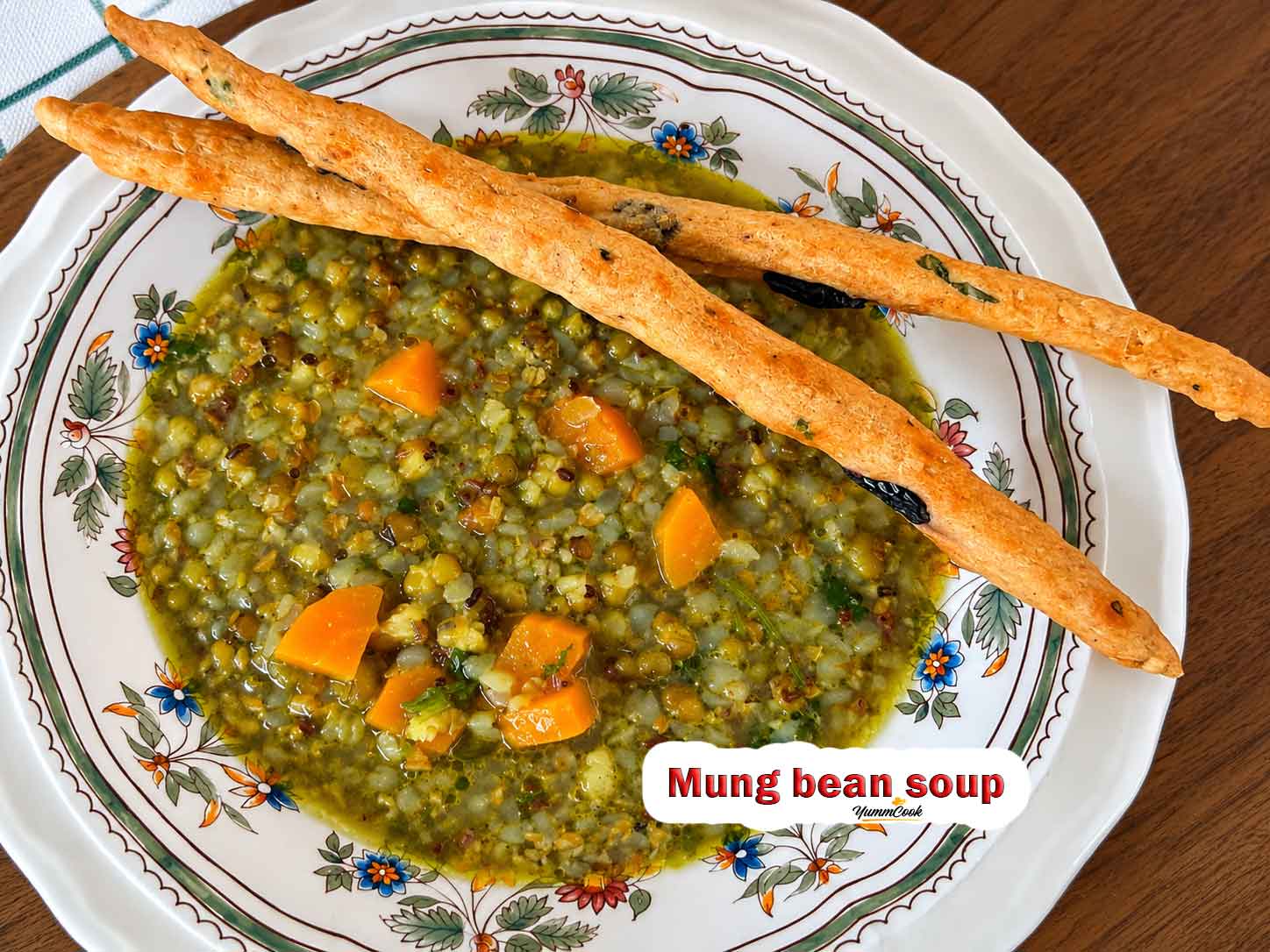
There is something wonderfully comforting about a warm bowl of Mung bean soup. It is simple, nourishing, affordable, and full of earthy flavor. Mung beans become soft and creamy as they cook, while vegetables and warm spices give the soup a rich, homemade taste. I especially enjoy making this soup on quiet evenings when I want something comforting without spending hours in the kitchen. The aroma of garlic, cumin, and simmering beans slowly filling the kitchen is one of my favorite parts of this recipe.

A Brief History of Mung Bean Soup
Mung beans have been cultivated in Asia for thousands of years and have become an important ingredient in many traditional dishes. They are particularly popular in countries such as India, China, the Philippines, Korea, and other parts of Southeast Asia.
Different cultures have their own ways of preparing mung beans. They can be used in curries, porridges, desserts, sprouts, and savory soups. This variety is one reason why a simple mung bean recipe can taste completely different depending on the ingredients and cooking style used. Today, mung bean soup remains popular because it is easy to prepare and works beautifully with a wide range of vegetables, herbs, and spices.
What Does Mung Bean Soup Taste Like?
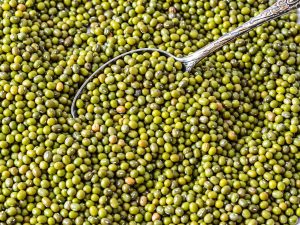
Mung bean soup has a mild, earthy flavor with a naturally creamy texture. The beans themselves are quite subtle, which allows them to absorb the flavors of garlic, onion, cumin, turmeric, and fresh herbs. If you have never cooked with green mung beans before, you may be surprised by how quickly they become tender compared with many other dried beans. Their soft texture also makes them ideal for soups where you want a naturally thick and satisfying broth. I like keeping the seasoning balanced rather than overpowering the beans. A little lemon juice at the end adds brightness and makes the soup taste fresh rather than heavy.
Ingredients for Mung Bean Soup
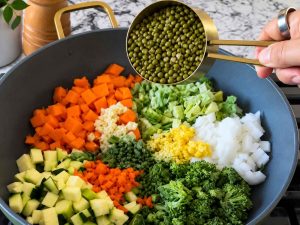
You do not need complicated ingredients to make this mung bean soup recipe. Most of what you need can be found in an everyday kitchen.
| Ingredient | Amount |
| Dried mung beans | 1 cup |
| Olive oil | 1 tablespoon |
| Onion, finely chopped | 1 medium |
| Garlic, minced | 2 cloves |
| Carrot, diced | 1 medium |
| Tomato, chopped | 1 medium |
| Vegetable or chicken broth | 5 cups |
| Ground cumin | 1 teaspoon |
| Black pepper | ½ teaspoon |
| Turmeric | ½ teaspoon |
| Salt | To taste |
| Fresh parsley or cilantro | 1 small handful |
| Fresh lemon juice | 1 tablespoon |
For a vegetarian version, use vegetable broth. Chicken broth gives the soup a deeper savory flavor, so the choice really depends on your preference.
How to Make Mung Bean Soup
-
Rinse the Mung Beans
Start by rinsing the dried mung beans thoroughly under cold water. Check them carefully and remove any small stones, damaged beans, or debris. Mung beans generally do not require overnight soaking. However, soaking them for a few hours can reduce the cooking time. When I am planning ahead, I usually soak them briefly. On busy days, I simply rinse them well and add them directly to the pot.
-
Sauté the Onion and Garlic
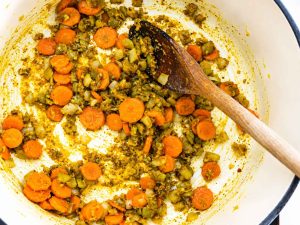
Heat the olive oil in a large pot over medium heat. Add the chopped onion and cook for several minutes until soft and translucent. Add the minced garlic and cook for about 30 seconds. You want the garlic to become fragrant without letting it burn. Next, add the diced carrot and chopped tomato. Stir everything together and let the vegetables cook for another couple of minutes.
-
Add the Spices
Add the cumin, turmeric, black pepper, and a little salt. Stir the spices into the vegetables for about one minute. This simple step helps release the natural aroma of the spices. It also gives the soup a deeper flavor without requiring a long list of seasonings.
-
Add the Mung Beans and Broth
Add the rinsed mung beans to the pot and pour in the broth. Stir everything well and bring the mixture to a gentle boil. Once it starts boiling, reduce the heat and partially cover the pot. Let the soup simmer gently until the mung beans are completely tender. This usually takes around 30 to 45 minutes, although cooking time can vary depending on the beans and whether they were soaked.
-
Create a Naturally Creamy Texture
As the mung beans cook, some will naturally break apart and thicken the broth. You can leave the soup chunky or gently mash some of the beans with the back of a spoon. I prefer this method because it creates a creamy texture while keeping plenty of whole beans in the soup. There is no need to blend the entire pot. If the soup becomes too thick, add a little more hot broth or water until it reaches your preferred consistency.
-
Finish With Lemon and Fresh Herbs
Taste the soup and adjust the salt and pepper if needed. Turn off the heat and stir in the fresh lemon juice. Finish with chopped parsley or cilantro. The lemon might seem like a small detail, but it makes a noticeable difference. It cuts through the richness of the beans and gives the finished soup a fresh, balanced flavor.
Mung Bean Soup
Ingredients
Method
- Rinse the dried mung beans thoroughly under cold water and remove any debris or damaged beans.
- Heat olive oil in a large pot over medium heat. Add the onion and cook until softened.
- Add the minced garlic and cook for about 30 seconds until fragrant.
- Add the carrot and chopped tomato. Stir and cook for another 2 minutes.
- Add cumin, turmeric, black pepper, and a little salt. Stir for about 1 minute to release the spices' aroma.
- Add the rinsed mung beans and broth. Bring the mixture to a gentle boil.
- Reduce the heat, partially cover the pot, and simmer for 30-45 minutes, or until the mung beans are tender.
- Gently mash some of the cooked beans with the back of a spoon to create a naturally creamy texture. Add more broth or water if needed.
- Turn off the heat and stir in the lemon juice.
- Garnish with fresh parsley or cilantro and serve warm.
How Long Does Mung Bean Soup Take to Cook?
A typical Mung bean soup recipe takes around 40 to 50 minutes from start to finish when using unsoaked mung beans. The best way to check whether the soup is ready is to taste a few beans. They should be soft and tender without a hard center. Keep the heat relatively low once the soup begins simmering. Slow cooking allows the beans to soften properly while giving the vegetables and spices enough time to develop their flavor.
Is Mung Bean Soup Healthy?
Mung beans are a nutritious ingredient and can be a great addition to a balanced diet. They provide plant-based protein and dietary fiber, making this healthy bean soup a satisfying option for lunch or dinner. The vegetables also contribute flavor and nutrients without making the soup overly heavy. Using vegetable broth and olive oil keeps the recipe completely plant-based. Of course, the nutritional value of the finished dish depends on the specific ingredients and quantities you use.
Should You Soak Mung Beans Before Cooking?
Mung beans do not usually require overnight soaking. Their small size allows them to cook relatively quickly compared with many larger dried beans. You can rinse them and cook them directly, or soak them for a few hours if you want to shorten the cooking time. Both methods work well. I usually choose based on how much time I have rather than following a strict rule.
Tips for Making the Best Mung Bean Soup
Rinse the beans well :This removes dust and unwanted debris before cooking.
Do not rush the simmering process: Gentle cooking helps the beans become tender while keeping the vegetables from becoming overly soft.
Season gradually: Broth can already contain salt, so taste the soup before adding too much.
Use fresh lemon juice: It gives the soup a brighter flavor and balances the earthy beans.
Adjust the consistency: Add broth for a lighter soup or simmer uncovered for a few extra minutes if you prefer something thicker.
Keep some beans whole: You do not need to blend the soup completely to achieve a creamy texture.

What to Serve With Mung Bean Soup
This soup can easily be served as a light main meal. Crusty bread, flatbread, steamed rice, or a simple green salad all pair nicely with it. If you enjoy international flavors, you can also serve it with other dishes inspired by Asian bean soup recipes. Fresh herbs, steamed rice, or lightly pickled vegetables can add an interesting contrast to the creamy mung beans. For a more filling meal, I like serving the soup with warm bread and roasted vegetables. A spoonful of plain yogurt on top is another simple option if you enjoy a creamy, tangy contrast.
How to Store Mung Bean Soup
Allow the soup to cool before transferring it to an airtight container. Store it in the refrigerator and enjoy it within a few days. The soup will become thicker as it sits because the mung beans continue to absorb liquid. When reheating, add a splash of water or broth and stir well. You can also freeze the soup in individual portions. This makes it especially convenient when you want a homemade meal without starting from scratch.
Can You Make Mung Bean Soup Ahead of Time?
Absolutely. In fact, the flavor can become even better after resting overnight. As the soup sits, the spices and vegetables have more time to blend together. The only thing to remember is that the consistency will become thicker. When reheating, add a little broth or water until you reach the texture you prefer. A small squeeze of fresh lemon juice can also bring the flavors back to life.
Why I Love This Mung Bean Soup
What keeps me coming back to this recipe is how simple it is. It does not require expensive ingredients or complicated techniques, yet the result feels warm, homemade, and satisfying. I also love how easy it is to personalize. Sometimes I add spinach or extra carrots. On other days, I add a little chili for heat. The basic recipe is forgiving, so you can make small changes without losing the comforting character of the soup.
For me, that is what makes a good homemade soup special. It does not need to be complicated. A few simple ingredients, a little patience, and the right seasoning can turn a humble pot of beans into something you genuinely look forward to eating.
More Delicious Soup Recipes to Try
If you enjoy comforting homemade soups, there are plenty of delicious options to explore beyond mung bean soup. A light celery soup is a great choice when you want something simple and fresh, while Beyran Soup offers a rich and hearty flavor. For a classic family-friendly meal, Chicken noodle soup is always a comforting option. If you prefer seafood, exploring different Fish soup recipes can introduce you to a variety of fresh and flavorful combinations. You can also try Solianka, a hearty soup known for its rich, savory taste and satisfying texture.
Frequently Asked Questions
1. Do mung beans need to be soaked before making soup?
No, mung beans do not usually need to be soaked before cooking. You can rinse them well and add them directly to the pot. Soaking them for a few hours can reduce the cooking time.
2. How long does mung bean soup take to cook?
Mung bean soup usually takes about 40 to 50 minutes when made with unsoaked mung beans. The soup is ready when the beans are soft and tender.
3. Can I make mung bean soup without meat?
Yes. Mung bean soup is easy to make vegetarian or vegan. Simply use vegetable broth instead of chicken broth and check that all other ingredients are plant-based.
4. How can I make mung bean soup thicker?
For a thicker soup, let it simmer uncovered for a few extra minutes. You can also mash some of the cooked mung beans with the back of a spoon to create a naturally creamy texture.
5. How should I store leftover mung bean soup?
Store leftover soup in an airtight container in the refrigerator for several days. The soup will thicken as it sits, so add a little water or broth when reheating to restore the desired consistency.

Final Thoughts
Mung bean soup is a wonderful example of how simple ingredients can create a flavorful and satisfying meal. Tender mung beans, aromatic vegetables, warm spices, and fresh lemon come together in one comforting bowl. Once you make it a few times, you can easily adjust the recipe to suit your taste. Add more vegetables, increase the spices, make it thicker, or finish it with plenty of fresh herbs. The best part is that you can keep the cooking simple while still creating a soup that tastes homemade, nourishing, and full of character.
