
Kale Pache: A Traditional Iranian Breakfast Recipe
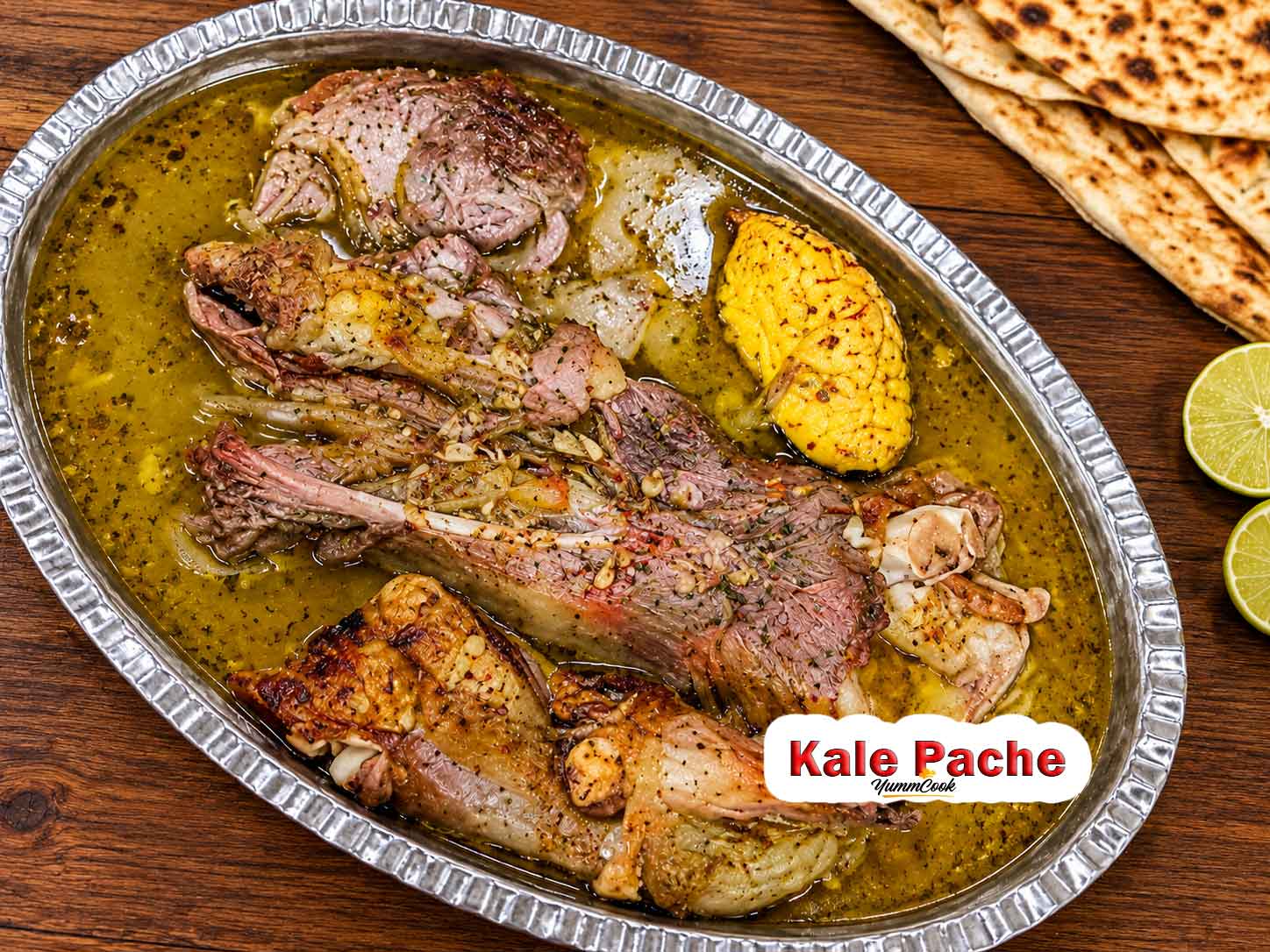
There is something special about Kale Pache that goes beyond its unusual ingredients. The slow cooking, the rich broth, the aroma of cinnamon and garlic, and the tradition of eating it warm with fresh bread make this dish a memorable part of Iranian cuisine. Although many people prefer to order it at traditional restaurants, you can also prepare a delicious version at home with patience and careful preparation.
What Is Kale Pache?
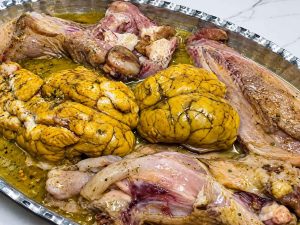
Kale Pache is a traditional Iranian dish made mainly with sheep’s head and trotters. The head provides tender meat and other flavorful parts, while the trotters add richness to the broth as everything slowly cooks together. The name itself is quite descriptive. “Kale” refers to the head, while “Pache” refers to the feet. The dish is usually served hot, often for breakfast, with fresh bread, lemon juice, and sometimes fresh herbs.
A Short History of Kale Pache
Kale Pache has been part of Iranian food culture for generations and has traditionally been associated with cold mornings and hearty breakfasts. Over time, dedicated Kaleh Pache restaurants became common in many Iranian cities, where people would gather early in the morning for a steaming bowl of this traditional food.
For many Iranians, the experience is as important as the recipe itself. The smell of freshly baked bread alongside a hot bowl of Kaleh Pache can bring back memories of early mornings, family meals, and traditional restaurants.
Ingredients for Kale Pache
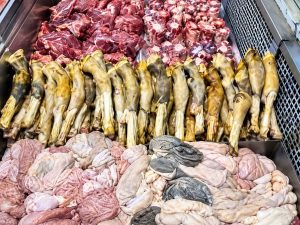
The following ingredients are enough to prepare a flavorful homemade Kale Pache for about four people.
| Ingredient | Amount |
|---|---|
| Sheep’s head | 1 whole |
| Lamb trotters | 4 pieces |
| Large onion | 1 large |
| Garlic cloves | 2 cloves |
| Cinnamon stick | 1 stick |
| Ginger | 1 teaspoon |
| Turmeric | 1 teaspoon |
| Black pepper | 1 teaspoon |
| Salt | 1 teaspoon |
| Lemon juice | 2 tablespoons |
| Water | 8 cups |
Chickpeas or white beans can also be added if you enjoy them. They are optional and can give the dish a slightly different texture.
How to Clean the Sheep’s Head
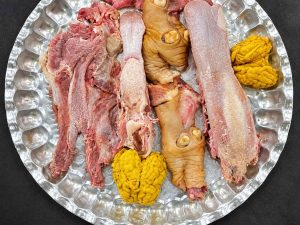
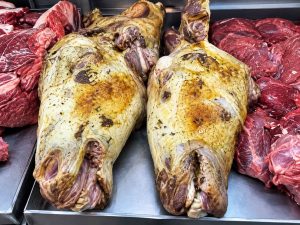
Cleaning is one of the most important parts of making Kale Pache at home. Start by cleaning the head thoroughly, especially around the ears and other hard-to-reach areas. Any remaining hair should be removed carefully by placing the skin over heat. The trotters should also be cleaned well before cooking. Take your time with this stage because proper cleaning makes a noticeable difference in the final smell and taste of the dish.
How to Make Kale Pache Step by Step
-
Prepare the Onion and Garlic
Place a large pot over medium heat and add a small amount of oil. Chop the onion and cook it until it becomes soft and lightly golden. Add the chopped garlic and stir for a short time until its aroma fills the kitchen. This is the moment when the dish starts to smell like a real homemade meal rather than just a collection of ingredients.
-
Add the Spices
Add turmeric, black pepper, cinnamon, and a little ginger to the onion mixture. Stir gently so the spices release their aroma without burning. Then carefully place the cleaned sheep’s head and trotters into the pot.
-
Add Water and Start Cooking
Pour in enough water to cover the main ingredients. Increase the heat and allow the water to come to a boil. Once it starts boiling, you may notice some foam forming on the surface. Remove this foam carefully with a spoon. This small step helps keep the broth cleaner and gives the finished Kale Pache a better aroma.
-
Cook Slowly
After removing the foam, lower the heat and cover the pot. Let the Kale Pache cook slowly for around 5 to 6 hours, or until the meat becomes completely tender. The secret here is patience. Kaleh Pache is not a dish that benefits from rushing. A gentle simmer gives the meat time to become soft and allows the broth to develop its deep flavor.
-
Add Lemon Juice
Toward the later stages of cooking, add lemon juice according to your taste. It adds a pleasant freshness to the rich broth and balances the heavier flavors. It is also better to add salt toward the end of cooking. This allows you to adjust the seasoning after the broth has developed its full flavor.
Kale Pache
Ingredients
Method
- Clean the ingredients:
- Clean the sheep’s head and lamb trotters thoroughly. Pay special attention to the ears and other hard-to-reach areas, and remove any remaining hair carefully.
- Cook the onion and garlic:
- Heat a large pot over medium heat. Add a small amount of oil, then cook the chopped onion until soft and lightly golden. Add the garlic and stir briefly.
- Add the spices:
- Add turmeric, black pepper, cinnamon, and ginger. Stir gently for a few seconds until the spices become aromatic.
- Add the meat:
- Place the cleaned sheep’s head and lamb trotters into the pot. Pour in enough water to cover the ingredients.
- Remove the foam:
- Bring the water to a boil. Once foam appears on the surface, carefully remove it with a spoon.
- Slow cook:
- Reduce the heat to low, cover the pot, and cook for approximately 5 to 6 hours, or until the meat is very tender.
- Season the Kale Pache:
- Add salt toward the end of cooking and adjust the seasoning to taste. Add lemon juice during the later stages of cooking.
- Serve:
- Serve the Kale Pache hot with fresh bread, lemon juice, fresh herbs, or traditional pickles.
My Tips for Making Better Kale Pache
From my experience, the most important thing is not to overload the pot with spices. Kale Pache already has a naturally deep flavor, so a few simple ingredients are enough to make it aromatic. I also recommend keeping the heat low once the initial boiling is finished. When the broth gently simmers for several hours, the meat becomes wonderfully tender and the flavor becomes much more rounded. If you are making it for the first time, prepare everything before you start cooking. The cleaning takes attention, while the actual cooking mostly requires patience.
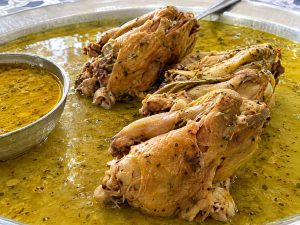
How to Serve Kaleh Pache
Kale Pache is best served hot, straight from the pot. Fresh bread is one of the classic accompaniments, especially when you want to soak up the rich broth. A little fresh lemon juice can brighten the flavor, while fresh herbs can add a refreshing contrast. Some people also enjoy it with traditional pickles or other breakfast sides. For me, the best part is the combination of hot broth, tender meat, warm bread, and a little lemon. It is simple, traditional, and incredibly comforting.
Can You Make Kale Pache at Home?
Absolutely. Although Kaleh Pache has a reputation for being difficult because of the cleaning and long cooking time, the cooking process itself is quite straightforward. The main things you need are fresh ingredients, proper cleaning, a large pot, and several hours of slow cooking. Once everything is prepared, the dish mostly takes care of itself on the stove.
How Long Does Kale Pache Take to Cook?
The complete cooking process usually takes around 5 to 6 hours, depending on the size and tenderness of the ingredients. If you are short on time, a pressure cooker can reduce the cooking time considerably. However, slow cooking is the traditional approach and gives the ingredients enough time to become tender and flavorful.
Traditional Iranian Breakfast: A Taste of Persian Morning Food
A traditional Iranian breakfast can be a warm and comforting start to the day, with a variety of beloved dishes served according to taste and region. Alongside Kale Pache, popular choices such as Sirabi, Gheysava, Persian Omelette, and Persian Halim are often enjoyed with fresh bread and a hot cup of saffron tea. These classic breakfast foods bring together the rich flavors and comforting aromas that make an Iranian morning meal a memorable part of Persian food culture.
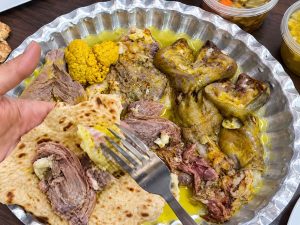
Frequently Asked Questions About Kale Pache
What is Kale Pache?
Kale Pache is a traditional Iranian dish prepared mainly with sheep’s head and trotters. The ingredients are slowly cooked with onions and aromatic spices to create a rich broth and tender meat.
How long does Kale Pache take to cook?
Traditional Kale Pache generally needs around 5 to 6 hours of slow cooking. The exact time can vary depending on the size of the sheep’s head and the tenderness of the ingredients.
What do you serve with Kale Pache?
Kale Pache is commonly served hot with fresh bread and lemon juice. Fresh herbs and pickles can also be served alongside it according to personal preference.
Can I make Kale Pache in a pressure cooker?
Yes. A pressure cooker can shorten the cooking time considerably. However, slow cooking in a traditional pot is preferred when you want the classic texture and deeply developed broth.
Why is slow cooking important for Kale Pache?
Slow cooking allows the meat to become tender while the flavors gradually develop in the broth. Keeping the heat low after the initial boil is one of the simplest ways to achieve a better texture.
Can I add chickpeas to Kale Pache?
Yes. Chickpeas are optional and can be added if you enjoy their texture and flavor. They are not essential to the basic recipe.
What spices are used in Kale Pache?
Common seasonings include turmeric, black pepper, cinnamon, and a small amount of ginger. Onion and garlic also contribute significantly to the aroma of the dish.
Is Kale Pache usually eaten for breakfast?
Yes. Kale Pache has a strong connection with traditional Iranian breakfasts and is particularly popular as a warm morning meal, especially during colder days.
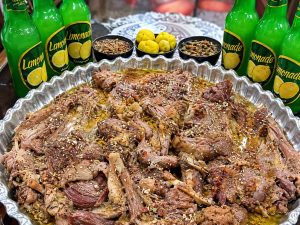
Final Thoughts
Kale Pache is one of those Iranian dishes that may seem unusual at first, but its appeal becomes clear once you understand the cooking tradition behind it. The long simmering time, tender meat, aromatic broth, and warm bread create an experience that feels deeply connected to Iranian food culture.
If you have never made it at home, start with good-quality ingredients and give the dish enough time to cook slowly. Once the pot has been simmering for hours and the kitchen is filled with its rich aroma, you will understand why Kaleh Pache has remained such a familiar part of traditional Iranian breakfasts.

[…] Kale pache is a very famous Iranian dish, which is mostly used as breakfast due to its richness. Kale Pache is usually served in restaurants […]
Sweet blog!
A dish with sheep’s head can be very attractive.
It can be a very good breakfast.
Excellent and delicious
This food is very fatty and heavy and is good for breakfast.
I have to try it.
Very good
I will definitely make it with this recipe.
This food is amazing.
The food is spicy but delicious and tempting.
The sheep’s head must be very attractive.
Your recipe was very good.
It looks interesting, I have to try it.
I really like this food for breakfast.
It looks delicious.
Pretty! This was an incredibly wonderful post.
Many thanks for providing this info.
First, thank you for the information, and your point of view.
I could enjoy this weblog and most importantly the next few paragraphs.
At this time, I feel I waste much too much time
online, perusing rubbish, effectively. This was a refreshing differ from what I’ve known. Yet, I feel that perusing other’s ideas is a very important investment of at minimum some of my weekly allotment of time in my program.
It’s like sifting through the junk heap to get the treasure.
Or else, whatever illustration functions for you. Still,
near the laptop is probably as bad for you as tobacco and fried potato
chips.