
Sirabi Recipe: A Traditional Iranian Tripe Soup
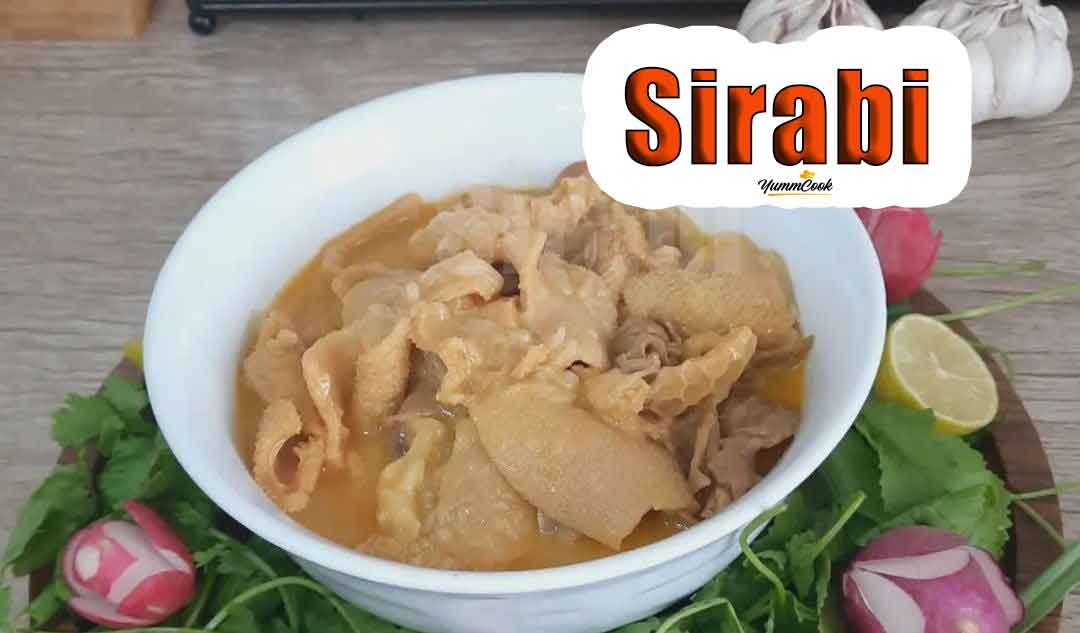
Have you ever tried sirabi? This is not the kind of dish that immediately appeals to everyone at first glance. Sirabi, sometimes known as Persian tripe soup, is primarily made from thoroughly cleaned beef or sheep tripe and a rich broth that is slowly cooked. This dish holds a special place in Iranian cuisine and is particularly popular as a hearty breakfast or a satisfying late-night meal.
For some people, sirabi is an unforgettable traditional dish. For others, it may take a little time to get used to the idea of eating tripe. But Persian tripe soup is one of those traditional foods that gives you a glimpse into the culture it comes from. It is hearty, affordable, warming, and deeply connected to traditional Iranian home cooking and Persian food culture.
What Is Sirabi?
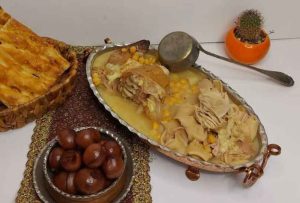
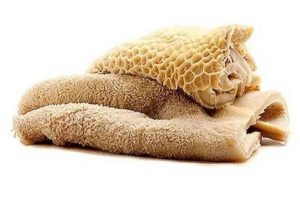
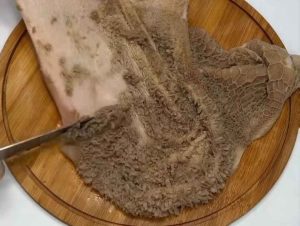
Sirabi is a traditional Iranian dish made from tripe, usually the stomach of beef or sheep. The tripe is thoroughly cleaned and then slowly cooked with water, onions, garlic, and spices.
The result is a rich and flavorful soup with a soft, tender texture. The recipe can vary considerably depending on the region and the cook. Some versions are relatively simple, while others include chickpeas, potatoes, cinnamon, turmeric, or other aromatic ingredients.
In English, sirabi is commonly described as:
- Persian tripe soup
- Beef tripe soup
- Persian-style tripe
- Sirabi soup
The word sirabi refers to the tripe used in the dish. This traditional food is particularly associated with old-fashioned Iranian eateries, traditional abgoosht and dizi restaurants, and restaurants that specialize in traditional Iranian breakfasts.
Ingredients for Making Traditional Persian Sirabi
For about 4 servings, you will need:
| Ingredient | Amount |
| Beef tripe, thoroughly cleaned | 2 lb (900 g) |
| Large onion, roughly chopped | 1 |
| Garlic, minced or crushed | 5-6 cloves |
| Turmeric | 1 teaspoon |
| Black pepper | 1 teaspoon |
| Cinnamon stick | 1 small stick |
| Cooking oil | 1-2 tablespoons |
| Water or unsalted beef stock | 8 cups (2 liters) |
| Salt | To taste |
| Fresh lemon juice, for serving | 1-2 tablespoons |
| Fresh parsley or other fresh herbs | Optional |
| Persian bread, such as sangak or barbari | For serving |
How to Make Persian Sirabi: A Step-by-Step Recipe
Making traditional Persian sirabi at home takes time, but the process itself is fairly straightforward. The key to a flavorful and tender Persian tripe soup is thorough cleaning and slow cooking.
Step 1: Clean the Tripe
- If your tripe has not already been cleaned by the butcher, rinse it several times under cold running water.
- Trim away any unwanted fat or tough pieces. For extra cleaning, you can soak the tripe briefly in cold water with a little lemon juice or vinegar, then rinse it thoroughly again.
- Good cleaning is essential because it helps remove the strong odor that raw tripe can have.
Step 2: Cut and Parboil the Tripe
- Cut the cleaned tripe into bite-sized strips or small pieces.
- Place it in a large pot, cover it with water, and bring it to a boil. Let it boil for about 10-15 minutes, then drain and rinse the tripe.
- This quick parboiling step helps create a cleaner-tasting broth.
Step 3: Build the Flavor
- Heat the oil in a large, heavy-bottomed pot over medium heat.
- Add the chopped onion and cook for about 5-7 minutes, until it becomes soft and lightly golden.
- Add the garlic and turmeric and cook for another minute. Be careful not to burn the garlic.
- Add the black pepper and cinnamon stick.
Step 4: Add the Tripe
- Add the cleaned tripe to the pot and stir it with the onions and spices for a few minutes.
- Pour in the water or beef stock. The liquid should completely cover the tripe.
- Bring everything to a gentle boil.
Step 5: Slow-Cook the Sirabi
- Reduce the heat to low and cover the pot.
- Let the sirabi simmer gently for approximately 3-5 hours, depending on the type and thickness of the tripe.
- Check it occasionally and add a little hot water if the liquid level becomes too low.
- The tripe is ready when it is very tender and can be easily cut with a spoon or fork.
- This is the stage where patience really pays off. Cooking sirabi too quickly can leave the tripe unpleasantly chewy.
Step 6: Season the Broth
- Once the tripe is tender, taste the broth and add salt as needed.
- Remove the cinnamon stick before serving.
- If you prefer a stronger garlic flavor, you can add a small amount of fresh crushed garlic during the final few minutes of cooking.
Step 7: Serve Hot
- Ladle the sirabi into bowls while it is still steaming.
- Serve it with fresh lemon juice, black pepper, fresh herbs, and warm Persian bread.
- Sangak and barbari are particularly good alongside sirabi because they can be used to soak up the rich broth.
- For an authentic Persian-style experience, serve the soup piping hot and enjoy it slowly rather than treating it like an ordinary bowl of soup.
Sirabi: Persian Tripe Soup (Nourishing Food for the Digestive System)
Sirabi is a traditional Persian dish made from sheep or cow stomach, rich in protein and collagen, and well-known for its digestive benefits. With a slow cooking method and natural spices, it becomes a light yet nutritious meal enjoyed across Iran.Ingredients
Method
- Step 1:
- Thoroughly clean the sheep stomach and boil once in plain water, then discard the water to remove odor.
- Step 2:
- In a deep pot, heat 2 tbsp oil. Add chopped onions and garlic, sauté until golden.
- Step 3:
- Cut Sirabi into small pieces and fry with the onions for about 5 minutes.
- Step 4:
- Add turmeric, salt, pepper, cinnamon, and ginger. Mix well, then pour in 3 cups of water.
- Step 5:
- Simmer gently for about 3 hours until the stomach pieces are fully tender.
- Step 6 (Optional):
- Add tomatoes or white beans during cooking for a richer flavor. Serve hot.
Tips for Making Better Sirabi
Don’t rush the cooking.
Tender tripe is the goal, and low-and-slow cooking gives you the best texture.
Clean the tripe thoroughly.
This makes a noticeable difference to the aroma and final flavor.
Keep the broth relatively simple.
Too many spices can hide the distinctive flavor of traditional sirabi.
Add lemon at the table.
Fresh lemon cuts through the richness of the broth and gives the dish a brighter flavor.
Make it a day ahead if possible.
Like many slow-cooked dishes, sirabi can develop an even deeper flavor after resting overnight in the refrigerator and being gently reheated.
How to Know When Sirabi Is Done
The easiest test is texture. Take out a piece of tripe and cut it with a fork or spoon. It should be tender, soft, and easy to chew, with a slight springiness rather than a rubbery texture. If it still feels tough, give it more time. There is no prize for finishing sirabi quickly. The long cooking time is part of what makes this traditional Persian dish so satisfying.
What Does Sirabi Taste Like?
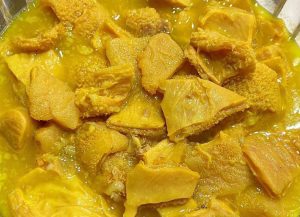
This is probably one of the first questions people have when they are considering trying sirabi for the first time. Sirabi does not taste like an ordinary vegetable soup or a typical Western beef stew. Its flavor is deeper and more distinctive because of the tripe and the long cooking process. A well-prepared bowl of sirabi should have a rich, savory broth, with the aroma of onions, garlic, and spices coming through in the background. When cooked slowly and properly, the tripe itself becomes remarkably tender.
Perhaps the most surprising part is the texture. Properly cooked tripe should not be tough or rubbery. Instead, it becomes soft and slightly springy, with some parts having an almost buttery tenderness. This texture is very different from ordinary cuts of beef, which is why some people love it immediately while others need a few bites to appreciate it.
For me, the most interesting aspect of sirabi is this contrast: the broth feels warm and comforting, while the texture reminds you that you are eating something deeply traditional and authentic.
Why Do Iranians Eat Sirabi for Breakfast?
In many Western countries, soup is usually associated with lunch or dinner. In Iran, however, traditional breakfast foods can be much more substantial. Sirabi has long been associated with the first meal of the day, particularly among people looking for something hearty and warming before starting a long day.
Traditional restaurants that serve sirabi may open very early in the morning. Having a steaming bowl of sirabi for breakfast is part of an older food culture that is still alive in many parts of Iran.
It is especially comforting during cold weather. Imagine sitting down on a chilly morning with a bowl of hot broth and fresh bread on the side, while the aroma of garlic and spices rises from the bowl. It is a very different kind of breakfast from toast and cereal.
What Is the Best Way to Serve Sirabi?
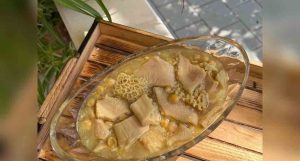
Sirabi is usually served piping hot. One of the most enjoyable parts of eating it is adding fresh and slightly acidic ingredients to balance the rich flavor of the broth.
Depending on the region and personal preference, sirabi may be served with:
- Fresh lemon juice
- Fresh herbs
- Raw onion
- Garlic
- Black pepper
- Warm Persian bread
- Pickles
Fresh sangak, barbari, or other Persian flatbreads are especially good with Persian tripe soup. They are perfect for dipping into the rich broth and soaking up all those savory flavors.
The Smell: Something You Should Know
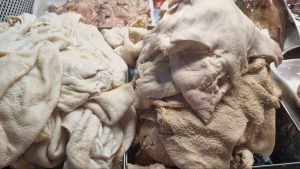
Let’s be honest: sirabi has an aroma that can be challenging for some people. Tripe has a distinctive smell, especially before it has been thoroughly cleaned and cooked. This is one of the reasons proper preparation is so important. Persian tripe soup that has been cleaned properly and cooked slowly should have an appetizing, savory aroma rather than an unpleasant smell.
If you are making it at home for the first time, it is a good idea to make sure the kitchen is well ventilated. For people who grew up eating Persian tripe soup, however, that distinctive aroma can be part of the experience and even bring back memories of traditional family meals.
More Traditional Iranian Foods to Try
If you enjoy traditional Iranian flavors, you can also try ghare ghoroot as a sour condiment alongside Sirabi. For a hearty Persian breakfast, Kaleh Pacheh and Gheysava are worth exploring, while Vavishka is another flavorful traditional dish to discover.
Frequently Asked Questions About Sirabi
What Is Sirabi Made Of?
Sirabi is primarily made from thoroughly cleaned beef or sheep tripe, meaning the stomach lining of the animal. It is usually slowly cooked with ingredients such as onions, garlic, turmeric, black pepper, and other spices.
Is Sirabi the Same as Tripe Soup?
Not exactly.
Sirabi is a traditional Iranian way of preparing tripe, while the English term “tripe soup” is a broader description that can refer to many different dishes from around the world.
What Does Persian Sirabi Taste Like?
Persian tripe soup has a rich, savory flavor and a distinctive texture. The broth usually takes on the flavors of onions, garlic, and spices, while properly cooked tripe becomes soft and slightly springy.
Is Sirabi Eaten for Breakfast?
Yes. In Iran, sirabi is traditionally associated with breakfast and is especially popular as a hearty and warming meal during cold weather.
How Long Does Sirabi Take to Cook?
The exact cooking time depends on the preparation method and the type of tripe being used. However, traditional sirabi generally requires several hours of gentle, slow cooking to achieve a tender texture.
Can I Make Sirabi at Home?
Yes. Although thoroughly cleaning the tripe is usually the most difficult and time-consuming part of the preparation, the actual cooking process is relatively straightforward.
Once the tripe has been properly cleaned, the dish mainly requires patience and slow cooking. The final result is well worth the time and effort.
Final Thoughts
Sirabi is a traditional Iranian dish built around a simple idea: take an inexpensive ingredient, cook it slowly, season it thoughtfully, and turn it into a satisfying and flavorful meal. That simplicity is exactly what makes traditional dishes like Persian tripe soup so interesting.
If you are exploring Persian cuisine, sirabi is certainly worth adding to your list of foods to try, not necessarily because it will become your new favorite dish, but because it offers a glimpse into a side of Iranian food culture that you will not find in the usual recommendations of kebabs and rice dishes. Sometimes, trying a traditional food is about more than simply discovering a new flavor. It is also about discovering the history, habits, and culture behind the food.

❤️
Very good
Today, we had a drink sirabi
Very good
I see this post after 1 years and fine
Thank you
Nice
Deleshes
It’s a good recipe