
How to Make Tahdig: Crispy, Golden Persian Rice
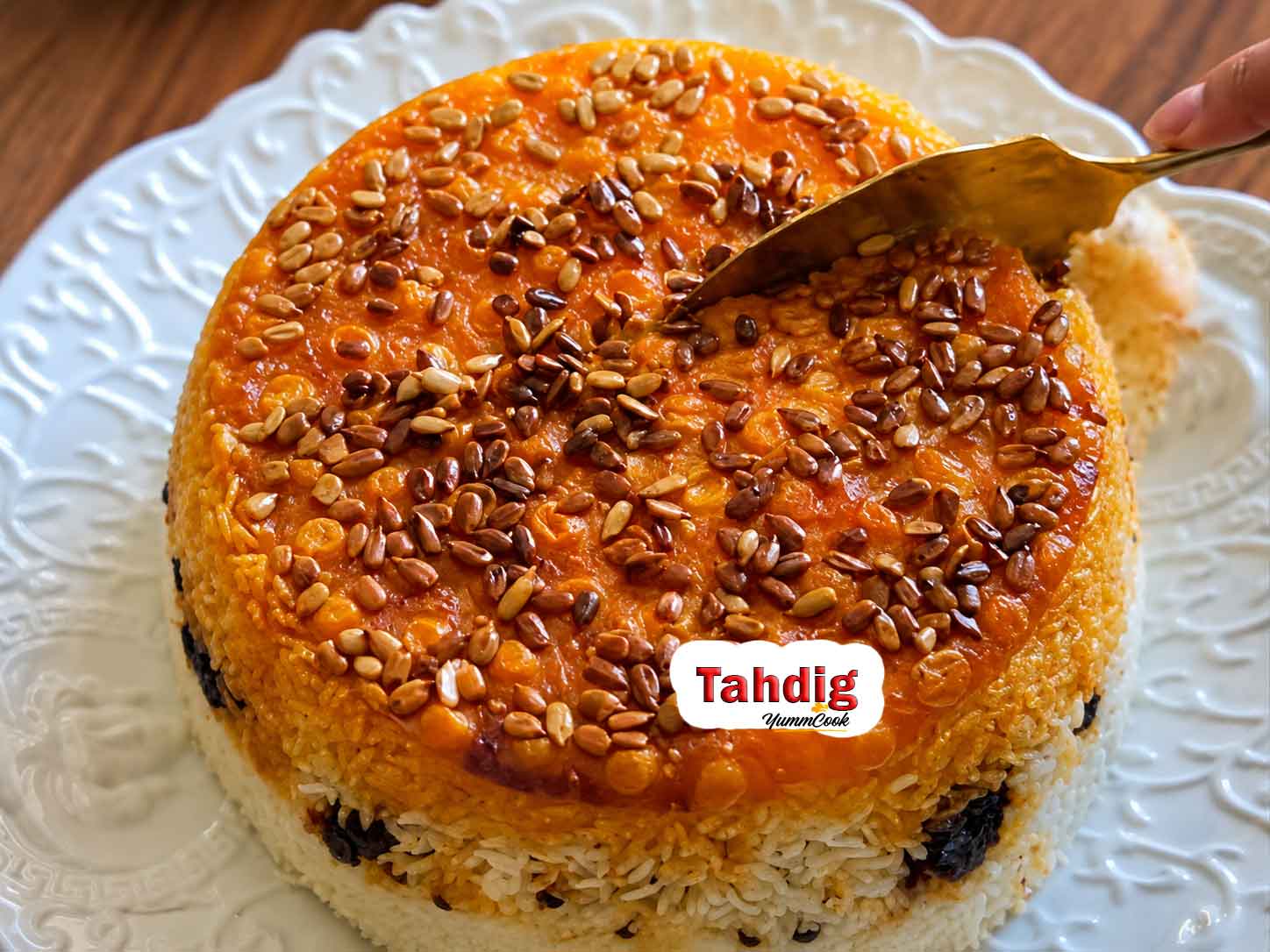
If there is one part of a Persian rice dish that everyone secretly waits for, it has to be tahdig. That golden, crispy layer at the bottom of the pot is often the first thing to disappear from the table.
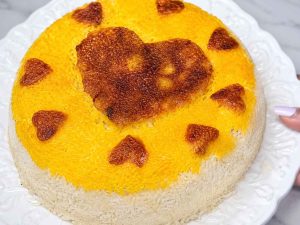
A good Persian crispy rice should be beautifully golden on the outside, crisp enough to make that satisfying crunch, and full of the rich aroma of rice, saffron, and butter or oil. The good news? You don’t need complicated ingredients or special equipment to make it at home. In this guide, you’ll learn how to make tahdig step by step, along with the tricks that help you get a crispy, golden crust without burning it.
What Is Tahdig?
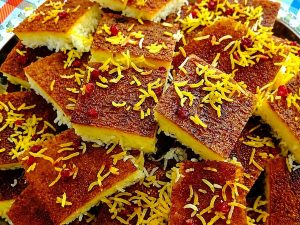
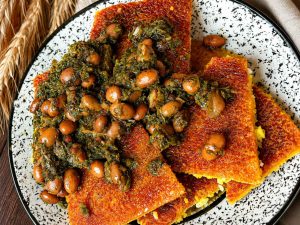
Tahdig literally refers to the crispy layer that forms at the bottom of a Persian rice pot during cooking. The word comes from Persian and roughly translates to “bottom of the pot.” Depending on the recipe, crispy Iranian rice can be made with rice, potatoes, bread, lettuce, or other ingredients. One of the most popular versions is saffron yogurt tahdig, which combines partially cooked basmati rice with yogurt and saffron to create a beautifully golden crust. Persian crispy rice is traditionally served alongside Persian dishes such as stews, grilled meats, kebabs, and chicken.
Why You’ll Love This Tahdig Recipe
This homemade tahdig recipe is:
- Crispy and golden
- Fragrant with saffron
- Easy to make
- Made with simple ingredients
- Perfect for Persian-style rice dishes
- Great for family dinners or special occasions
- Easy to customize with potatoes or bread
The secret isn’t complicated. Good rice, enough oil, controlled heat, and patience are what make the difference.
Ingredients for Tahdig
This recipe makes enough crispy Iranian rice for about 4-5 people.
| Ingredient | Amount |
| Basmati rice, parboiled | 1-1½ cups for the tahdig layer |
| Thick plain yogurt | 3 tablespoons |
| Brewed saffron | 2 tablespoons |
| Vegetable or neutral oil | 4-5 tablespoons |
| Salt | As needed |
| Butter | 1 tablespoon, optional |
What Kind of Rice Is Best for Tahdig?
Persian rice is an excellent choice, but good-quality basmati rice works beautifully too. The most important thing is not to overcook the rice before assembling the Persian crispy rice. The grains should be tender on the outside but still slightly firm in the center. Overcooked rice contains too much moisture and can make the crispy Iranian rice soft instead of crisp.
How to Make Tahdig Step by Step
Step 1: Prepare the Rice
Rinse the rice several times under cold water until the water becomes mostly clear. If you have time, soak the rice in salted water for 30 minutes to 2 hours. This helps the grains cook more evenly.
Bring a large pot of salted water to a boil. Add the rice and cook for several minutes. To check if it’s ready, take out a grain and bite into it. The outside should be tender while the center should still have a little firmness. Drain the rice immediately.
Step 2: Make the Saffron Yogurt Mixture
In a bowl, combine about 1 to 1½ cups of the parboiled rice with the yogurt, brewed saffron, and a little salt. Mix gently until the rice is evenly coated. For a deeper golden color and stronger aroma, use concentrated brewed saffron rather than adding a large amount of diluted saffron.
Step 3: Heat the Pot
Choose a good-quality nonstick pot if you’re making crispy Iranian rice for the first time. Add the oil and optional butter to the bottom of the pot and heat over medium heat. The oil should be hot, but it shouldn’t be smoking. This step is important because properly heated oil helps create that crispy bottom layer.
Step 4: Add the Tahdig Mixture
Spread the saffron-yogurt rice evenly across the bottom of the pot. Use the back of a spoon to gently level the surface. Don’t press the rice too aggressively. You want a compact enough layer to form a crust, but not one that becomes dense and heavy.
Step 5: Add the Remaining Rice
Gently spoon the remaining plain rice over the tahdig layer. Shape the rice into a small mound and use the handle of a wooden spoon to make several holes through the rice. These holes allow steam to escape and help the rice cook evenly.
Step 6: Steam the Rice
Cover the lid with a clean kitchen towel or use a proper lid cover, making sure the towel stays safely away from the heat source. Cook over medium heat for about 5-10 minutes, just until steam begins to build. Then reduce the heat to low. Allow the rice to steam for approximately 40-50 minutes. The low temperature is one of the most important parts of making good tahdig. High heat may brown the bottom quickly, but it can easily turn a beautiful crust into a burnt one.
Step 7: Flip the Tahdig
When the rice is finished, remove the pot from the heat and let it rest for about 5 minutes. Run a spatula carefully around the edges of the Persian crispy rice. Place a large serving platter over the pot and carefully flip the pot upside down. If everything went well, the tahdig should release as one beautiful golden crust.
Tips for Perfect Crispy Tahdig
Don’t Use Excessive Heat
A common mistake is turning the heat up because you want the tahdig to brown faster. This usually leads to burnt edges and an undercooked center. Low and steady heat is much more reliable.
Use Enough Oil
Tahdig needs enough fat to become properly crisp. Too little oil can cause the rice to stick to the bottom of the pot or become dry before it develops a golden crust. At the same time, you don’t need to drown the rice in oil. A generous but reasonable layer is enough.
Use Thick Yogurt
For saffron yogurt tahdig, thick plain yogurt works best. Watery yogurt can make the rice mixture too loose and prevent the bottom from becoming properly crisp.
Use Concentrated Saffron
A small amount of strongly brewed saffron can give your Persian crispy rice a beautiful color and aroma. Crush the saffron threads and steep them in a little hot water before adding them to the rice.
Don’t Keep Opening the Lid
Once the rice starts steaming, resist the temptation to check it every few minutes. Opening the lid releases steam and changes the cooking temperature.
Common Tahdig Mistakes
The Rice Is Too Soft
If the rice is fully cooked before it goes into the pot, the tahdig may become mushy. Parboil it only until the outside is tender and the center remains slightly firm.
The Tahdig Burns
The most likely cause is excessive heat. Reduce the flame after the initial steaming period and consider using a heat diffuser if your pot has a thin bottom.
The Tahdig Sticks to the Pot
This can happen when there isn’t enough oil, the pot isn’t suitable, or you try to flip the rice immediately after cooking. A nonstick pot and a few minutes of resting time can make a big difference.
The Tahdig Breaks When You Flip It
Don’t panic if the first Persian crispy rice doesn’t come out perfectly. Let the pot rest briefly, loosen the edges carefully, and flip it with one confident movement rather than repeatedly shaking the pot.
Different Types of Persian Tahdig
Tahdig doesn’t always have to be made with rice.
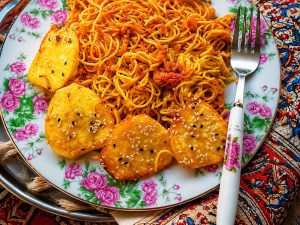
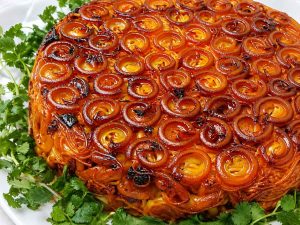
Potato Tahdig
Thinly slice potatoes and arrange them across the bottom of the oiled pot. Add the rice on top and steam as usual. The result is crispy, golden potato slices with fluffy Persian rice above them.
Bread Tahdig
Line the bottom of the pot with pieces of lavash or another thin flatbread before adding the rice.
The bread becomes incredibly crisp and works especially well when served with stews.
Simple Persian crispy rice
You can skip the yogurt and simply use parboiled rice, oil, and saffron. This is a great option when you want a simpler version without sacrificing the crispy texture.
Lettuce Tahdig
Lettuce leaves can also be placed at the bottom of the pot before adding the rice. This version is particularly popular with some Persian rice dishes and can create a surprisingly delicious crust.
How Do You Know When Tahdig Is Done?
Look for a rich golden color around the edges and listen for a gentle sizzling sound from the bottom of the pot. If you’re unsure, carefully check a small section with a spatula. The crust should be golden to deep golden brown. If it has turned very dark brown or black, the heat was probably too high.
Can You Make Tahdig Without Yogurt?
Absolutely. Yogurt is used in saffron yogurt tahdig because it adds flavor, color, and structure, but it isn’t essential. For a simple version, combine some parboiled rice with saffron and place it over hot oil before adding the rest of the rice. You’ll still get a delicious crispy rice crust.
How to Prevent Persian Crispy Rice From Burning
Remember these four things:
Enough oil + moderate heat + a suitable pot + patience
If your tahdig burns regularly, don’t simply reduce the cooking time. First, check the heat. After the rice begins steaming, keep the flame low. A heat diffuser can also help distribute heat more evenly.
Persian Rice Dishes to Serve with Tahdig
Tahdig is the perfect companion to many delicious Persian rice dishes. You can enjoy it alongside Gheymeh Polo, a flavorful combination of fragrant rice and savory meat; Shirin Polo, a beautiful sweet and aromatic rice dish often made for special occasions; Albaloo Polo, a colorful Persian cherry rice with a delicious balance of sweet and tangy flavors; Tahchin, the famous saffron rice cake with its golden crust; and Nohutlu Pilav, a comforting and flavorful rice dish made with chickpeas and aromatic ingredients. Each of these traditional Persian recipes can turn your meal into a beautiful and unforgettable feast.
How to Make Tahdig for a Dinner Party
For a special occasion, saffron tahdig or potato tahdig makes a beautiful centerpiece. Use a wide, heavy-bottomed pot so the crust cooks evenly without becoming excessively thick. When serving, place the crispy Iranian rice in the center of the platter and arrange the fluffy rice around it. You can also break the crust into smaller pieces and serve it separately so everyone gets a share.
How to Store Tahdig
Tahdig tastes best immediately after cooking, while it’s still warm and crisp. If you have leftovers, allow them to cool completely and store them in an airtight container in the refrigerator. To bring back some of the crispness, reheat Persian crispy rice in a skillet or oven. Microwaving it for too long can make the crust soft and chewy.
Frequently Asked Questions
Why does my tahdig stick to the bottom of the pot?
The most common reasons are insufficient oil, an unsuitable pot, or trying to remove it too soon. A nonstick pot, enough oil, and a short resting period can make releasing the tahdig much easier.
Why does my tahdig burn before the rice is cooked?
The heat is probably too high. Once steam has formed, reduce the heat significantly and use a heat diffuser if necessary.
Is Greek yogurt good for Persian crispy rice?
Yes. Thick Greek yogurt can work very well because it has a relatively low water content and creates a sturdy rice mixture.
Can I use butter instead of oil?
You can use butter for extra flavor, but for longer cooking, combining butter with a neutral oil is a better option because oil has a higher smoke point.
What is the best pot for making tahdig?
A good nonstick pot is one of the easiest choices, especially for beginners. A heavy-bottomed pot is also useful because it distributes heat more evenly.
Final Thoughts
Making perfect tahdig may seem intimidating at first, but once you understand the basics, it’s surprisingly straightforward. Start with properly parboiled rice, use a generous amount of oil, keep the heat under control, and give the crust enough time to develop. For your first attempt, saffron yogurt tahdig is an excellent place to start. Once you’ve mastered the basic technique, you can experiment with crispy potato, bread, lettuce, or other creative versions.
The secret to great Persian tahdig is simple:
Good rice, enough oil, gentle heat, and patience.
