
Zeytoon Parvardeh Recipe: How to Make It at Home
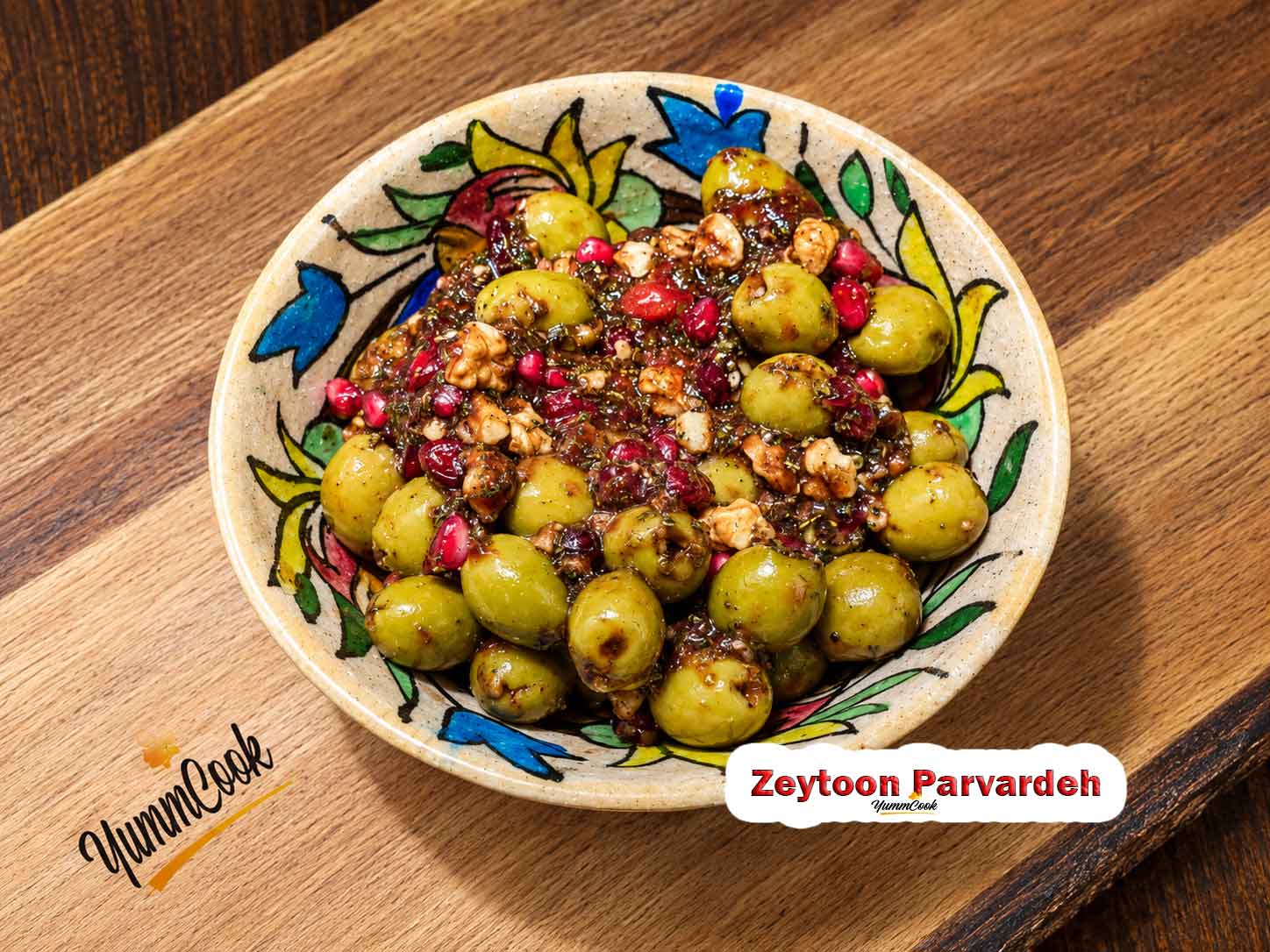
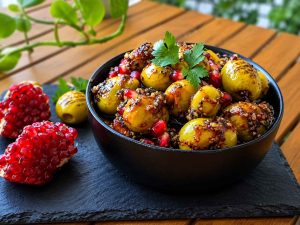
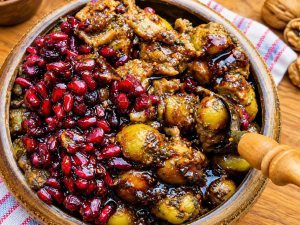
Zeytoon Parvardeh is a traditional Persian appetizer that brings together green olives, crunchy walnuts, tangy pomegranate molasses, fresh herbs, and garlic. This delicious combination creates a beautiful balance of salty, sour, nutty, and aromatic flavors in every bite. What makes this Iranian olive dish so special is its simplicity. You do not need to cook anything, and the ingredients gradually blend together as the mixture rests in the refrigerator. Serve it at a family gathering, add it to an appetizer platter, or enjoy it alongside your favorite Persian dishes. This homemade Zeytoon Parvardeh recipe is easy to prepare, even if you have never made a Persian appetizer before.
The History of Zeytoon Parvardeh
Zeytoon Parvardeh has its roots in Gilan, a lush province in northern Iran near the Caspian Sea. This region is known for its olive groves, pomegranates, walnuts, and aromatic local herbs. Generations of home cooks have brought these ingredients together to create a distinctive dish that reflects the flavors of northern Iranian cuisine.
Traditionally, cooks use a local herb called choochagh, which gives the dish its characteristic regional aroma. Fresh mint and cilantro are practical alternatives when this herb is difficult to find. Today, Zeytoon Parvardeh is enjoyed throughout Iran, especially as an appetizer served alongside bread, rice dishes, and grilled foods.
Why You Will Love This Zeytoon Parvardeh Recipe
- Easy to prepare: Simply mix the ingredients and let the flavors develop in the refrigerator.
- A delicious flavor combination: Tangy pomegranate molasses balances the salty olives, while walnuts add a rich, earthy taste.
- Perfect for entertaining: Its vibrant colors and distinctive flavor make it a wonderful addition to a Persian appetizer platter.
- Make-ahead friendly: Preparing it several hours in advance gives the ingredients time to blend together.
Ingredients for Zeytoon Parvardeh
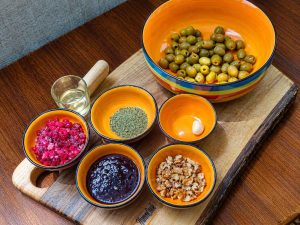
You only need a handful of ingredients to make this flavorful Persian appetizer. Choose firm, pitted green olives and good-quality pomegranate molasses for the best results.
| Ingredient | Amount |
| Pitted green olives | 2 cups (about 300 g) |
| Walnuts, finely chopped | 1/2 cup (about 55 g) |
| Pomegranate molasses | 3 tablespoons |
| Fresh mint, finely chopped | 2 tablespoons |
| Fresh cilantro, finely chopped | 2 tablespoons |
| Garlic, finely grated | 2 cloves |
| Extra virgin olive oil | 1 tablespoon |
| Ground angelica (golpar) | 1/2 teaspoon, optional |
| Salt | To taste, if needed |
| Pomegranate seeds | 2 tablespoons, optional |
Choosing the Best Ingredients
Green olives: Use firm, pitted olives with a pleasant salty flavor. If they are very salty, rinse them briefly and drain them thoroughly before mixing.
Walnuts: Finely chopped walnuts give the marinade a pleasantly coarse texture. Avoid grinding them into a completely smooth paste because a little crunch makes the dish more enjoyable.
Pomegranate molasses: This ingredient gives Zeytoon Parvardeh its signature sweet-and-sour taste. Start with three tablespoons, then add a little more if you prefer a stronger tang.
Fresh herbs: Mint and cilantro provide a fresh, aromatic flavor. If you can find choochagh, you can use it to bring the recipe closer to its traditional Gilan-style preparation.
Golpar: Persian hogweed, commonly called angelica in English-language recipes, adds a distinctive herbal aroma. It is optional, but a small amount gives the marinade a more traditional character.
How to Make Zeytoon Parvardeh
Step 1: Prepare the Olives
Place the pitted green olives in a colander and drain them well. Taste one before rinsing because some olives are already perfectly seasoned. If they taste excessively salty, rinse them briefly with cool water and pat them dry. You can leave small olives whole or cut larger ones in half. Whole olives give the finished dish a traditional appearance, while halved olives allow the marinade to cling to more of their surface.
Step 2: Prepare the Walnut Mixture
Finely chop the walnuts with a knife or pulse them briefly in a food processor. You want small pieces rather than a smooth, oily paste. Transfer the walnuts to a mixing bowl. Add the minced garlic, chopped mint, cilantro, and ground angelica, if using. Stir everything together until the herbs and walnuts are evenly distributed.
Step 3: Add the Pomegranate Molasses
Pour the pomegranate molasses and olive oil into the walnut mixture. Stir until the ingredients form a thick, fragrant dressing. At this stage, taste a small amount and adjust the balance to your preference. Add a little more pomegranate molasses for extra tanginess or a small drizzle of olive oil if the mixture seems too thick.
Step 4: Combine the Olives and Marinade
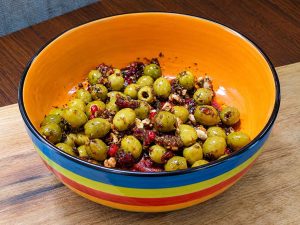
Add the drained olives to the bowl and gently toss them with the walnut mixture. Make sure the olives are coated with the dressing, herbs, and garlic. Fold in the pomegranate seeds if you are using them. They add little bursts of freshness and make the finished appetizer look especially inviting.
Step 5: Refrigerate Before Serving
Transfer the Zeytoon Parvardeh to a clean container with a tight-fitting lid. Refrigerate it for at least four hours so the olives can absorb the flavors of the marinade. Leaving it overnight usually produces an even more harmonious flavor. Before serving, give everything a gentle stir and taste again. Add salt only if necessary because the olives may already contain plenty.
Zeytoon Parvardeh Recipe
Ingredients
Method
- Step 1: Prepare the olives
- Drain the green olives well. Rinse briefly if they are too salty, then pat dry. Leave small olives whole or halve larger ones.
- Step 2: Mix the walnuts and herbs
- Combine the chopped walnuts, fresh mint, cilantro, grated garlic, and ground angelica in a mixing bowl.
- Step 3: Add the dressing
- Stir in the pomegranate molasses and olive oil until the walnut mixture is evenly coated.
- Step 4: Combine everything
- Add the olives and gently mix until they are coated with the dressing. Fold in the pomegranate seeds if desired.
- Step 5: Chill and serve
- Transfer to an airtight container and refrigerate for at least 4 hours. Stir gently before serving and add salt only if necessary.
Tips for Making the Best Zeytoon Parvardeh
- Drain the olives well. Excess brine or water can make the marinade thin and prevent it from coating the olives properly.
- Keep some walnut texture. A slightly coarse mixture gives the dish a more appealing homemade feel.
- Adjust the sourness gradually. Pomegranate molasses varies in sweetness and acidity, so add it a little at a time.
- Let it rest. Although you can serve the dish after mixing, chilling it for several hours allows the flavors to develop.
- Be careful with salt. Always taste the olives and finished mixture before adding extra seasoning.
What to Serve with Zeytoon Parvardeh
Zeytoon Parvardeh is a versatile appetizer that fits beautifully into a Persian meal. Serve it with warm flatbread, fresh herbs, cheese, or a platter of other small dishes. Its tangy, nutty flavor also pairs well with grilled chicken, kebabs, and Persian rice dishes.
For a traditional-inspired spread, serve it alongside fresh bread and a selection of pickles. The contrast between the rich walnuts, bright pomegranate flavor, and salty olives makes each bite satisfying without requiring an elaborate presentation.
How to Store Zeytoon Parvardeh
Store leftover Zeytoon Parvardeh in an airtight container in the refrigerator. For the best quality, enjoy it within three to five days, using clean utensils whenever you serve it. Refrigerate it promptly after serving, and discard it if you notice an unusual smell, mold, or other signs of spoilage. You can prepare it ahead of a gathering, making it a convenient choice when you want to spend less time in the kitchen on the day of your event.
More Persian Pickles and Tangy Snacks to Try
Love the bold, tangy flavors of Zeytoon Parvardeh? Explore more delicious additions to your table with Ghare Ghoroot, Torshak, Torshi Anbeh, Lavashak, and Persian Pickled Cucumbers (Khiar Shoor). From the rich, sour taste of Ghare Ghoroot to the sweet-and-sour flavor of Lavashak and the crunchy bite of homemade pickles, these traditional favorites bring a variety of flavors to your meals. Try them alongside Persian dishes or serve them as part of a colorful appetizer spread.
Frequently Asked Questions
Is Zeytoon Parvardeh spicy?
Traditional Zeytoon Parvardeh is not usually hot or spicy. Its main flavors come from salty olives, tangy pomegranate molasses, earthy walnuts, garlic, and fresh herbs. You can add chili if you prefer a little heat.
Can I make Zeytoon Parvardeh without cilantro?
Yes. You can replace cilantro with additional fresh mint or use a suitable local herb such as choochagh when available. The flavor will vary slightly, but the dish will still be delicious.
Can I use black olives instead of green olives?
Green olives are the more traditional choice because their firm texture and briny flavor complement the walnut and pomegranate dressing. You can experiment with black olives, but the final taste and appearance will be different.
How long should Zeytoon Parvardeh rest before serving?
Refrigerate it for at least four hours. For a deeper, more blended flavor, prepare it the day before serving and let it rest overnight.
Is Zeytoon Parvardeh served hot or cold?
It is traditionally served cold or slightly cool as an appetizer or side dish. There is no need to cook the ingredients.
What is the English name for Zeytoon Parvardeh?
It is often described in English as Persian marinated olives or Persian pomegranate and walnut olives. The Persian name is widely used because it identifies this distinctive regional appetizer.
Final Thoughts
Zeytoon Parvardeh is a wonderful example of how a few simple ingredients can create something memorable. The combination of olives, walnuts, pomegranate molasses, garlic, and fresh herbs brings the flavors of northern Iran to your table without complicated cooking techniques. Prepare it ahead, allow the marinade time to develop, and serve it with your favorite bread or Persian dishes. Once you find the balance of sweet, sour, salty, and nutty flavors you enjoy most, this homemade appetizer can become a welcome addition to your table.
