
Lemon Cake Recipe: Easy Homemade Cake

If you’re looking for the perfect lemon cake recipe, this easy lemon cake recipe is exactly what you need. Made with fresh lemon juice and fragrant lemon zest, this homemade lemon cake has a soft, buttery texture and bright citrus flavor. Whether you’re baking for a family gathering, afternoon tea, or a special celebration, this bakery style lemon cake delivers moist, delicious results every time.
Unlike many store-bought cakes, this easy lemon cake recipe uses fresh lemon juice and lemon zest to create a natural citrus flavor without artificial additives. The result is a soft, buttery cake that stays moist for days and can be served plain or with a sweet lemon glaze. If you’re looking for a foolproof recipe that’s easy to follow and delivers bakery-style results, this guide will show you everything you need to know, from choosing the best lemons to baking, decorating, and storing the cake properly.

Why you’ll love this Lemon Cake Recipe?
This moist lemon cake is incredibly soft, light, and full of fresh citrus flavor. Unlike many bakery cakes, this recipe is simple enough for beginners while producing a fluffy lemon cake with a tender crumb. It’s perfect for birthdays, brunch, holidays, or whenever you’re craving a refreshing lemon dessert.
Ingredients for Lemon Cake Recipe
To make a medium cake (serves 8-10), you will need the following ingredients:
Amounts
| Flour | 2½ cups |
| Baking powder | 2 teaspoons |
| Salt | ½ teaspoon |
| Butter | 1 cup |
| Sugar | 1½ cups |
| Eggs | 3 large |
| Milk | ¾ cup |
| Fresh lemon juice | ¼ cup |
| Grated lemon zest | 2 tablespoons |
| Vanilla extract | 1 teaspoon |
Optional lemon glaze
• 1 cup powdered sugar
• 2-3 tablespoons fresh lemon juice
This simple glaze will add more lemon flavor to the cake and give it a pretty look.

The Best Lemons for Baking
Fresh lemons make a big difference in flavor and aroma. Choose lemons that feel heavy for their size, have smooth, light yellow skin, and feel a little firm when gently squeezed. These lemons tend to have more juice and a stronger citrus aroma.
If possible, use fresh lemon juice instead of bottled juice. Freshly squeezed juice has a cleaner, brighter flavor, while freshly grated lemon zest contains natural oils that give your cake its unique aroma.
Step-by-step lemon cake recipe
Step 1: Prepare your oven and baking pan
Preheat your oven to 350°F (175°C).
Grease your cake pan with butter and sprinkle lightly with flour, or line the bottom with parchment paper to prevent the cake from sticking. Proper preparation will make it much easier to remove the cake after baking.
Step 2: Mix the dry ingredients
In a medium bowl, whisk together the flour, baking powder, and salt.
Mixing the dry ingredients separately will help distribute the baking powder evenly, allowing the cake to rise evenly and create a light, fluffy texture.
Set the bowl aside while you prepare the wet ingredients.
Step 3: Mix the butter and sugar
In a large bowl, cream together the softened butter and sugar for about 3 to 5 minutes until the mixture is pale, light, and fluffy.
This step is one of the secrets to making a moist lemon cake. Creaming introduces tiny air bubbles into the batter, resulting in a softer crumb after baking. Add the eggs one at a time, beating well after each addition.
Add the vanilla extract, fresh lemon juice, and lemon zest, and beat until well combined.
Step 4: Mix everything together
Add the dry ingredients gradually to the butter and milk mixture. Start and end with the flour mixture, beating gently after each addition. Avoid overmixing the batter. Mix only until no dry flour remains. Overmixing will create excess gluten, which can make the cake dense instead of soft and fluffy.
Step 5: Bake the Lemon Cake
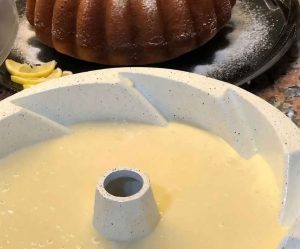
Pour the batter into the prepared cake pan and lightly smooth the top with a spatula. Tap the pan lightly on the counter once or twice to remove any large air bubbles.
Bake in a preheated 350°F (175°C) oven for 35 to 45 minutes, depending on your oven and pan size. Avoid opening the oven door during the first 30 minutes, as sudden changes in temperature can cause the cake to sink.
To check now, to see if the cake is fully baked, insert a toothpick into the center. If it comes out clean or has only a few moist crumbs, your homemade lemon cake is ready.
Let the cake cool in the pan for about 10 minutes, then turn it out onto a wire rack. Let it cool completely before adding any glaze or frosting.
Easy Homemade Lemon Cake Recipe
Ingredients
Method
- Instructions
- Step 1
- Preheat the oven to 350°F (175°C). Grease a 9-inch cake pan and line the bottom with parchment paper if desired.
- Step 2
- Whisk together the flour, baking powder, and salt in a medium bowl.
- Step 3
- In a large mixing bowl, beat the softened butter and sugar until light and fluffy. Add the eggs one at a time, mixing well after each addition.
- Step 4
- Mix in the vanilla extract, fresh lemon juice, and lemon zest.
- Step 5
- Gradually add the dry ingredients, alternating with the milk. Mix until just combined.
- Step 6
- Pour the batter into the prepared pan and smooth the top.
- Step 7
- Bake for 35-45 minutes, or until a toothpick inserted into the center comes out clean.
- Step 8
- Cool the cake in the pan for 10 minutes, then transfer it to a wire rack to cool completely.
- Step 9 (Optional)
- Whisk together the powdered sugar and lemon juice until smooth. Drizzle the glaze over the cooled cake before serving.
Optional Lemon Glaze
This simple lemon glaze adds extra citrus flavor and a beautiful glossy finish. If you prefer a richer topping, you can also replace it with cream cheese lemon frosting for a more decadent dessert.
Ingredients
• 1 cup powdered sugar
• 2 to 3 tablespoons fresh lemon juice
Directions:
Whisk together the powdered sugar and lemon juice until smooth. If the glaze is too thick, add a little more lemon juice. If it is too thin, add a little more powdered sugar. Once the cake has cooled completely, drizzle the glaze over the cake and let it set for about 15 minutes before serving. One of the quickest snacks is Gheysava, and don’t forget to eat Khajuri.


Tips for the Best Lemon Cake Recipe
A few simple techniques can make the difference between a mediocre cake and a pastry-quality dessert.
• Always use room-temperature butter, eggs, and milk. Cold ingredients don’t mix together easily and can affect the texture of the cake.
• Fresh lemon juice and lemon zest create the brightest flavor. Bottled lemon juice lacks the natural oils found in fresh lemons, so the final cake won’t taste tart.
• Measure the flour accurately by spooning it into a measuring cup and smoothing it out with a knife. Scooping flour straight from the bag often causes too much flour to clump together, making the cake dry.
• Mix the batter just until the ingredients are combined. Overmixing will create gluten, resulting in a dense cake instead of the soft, fluffy texture everyone loves.
• Finally, let the cake cool completely before frosting. A warm cake will cause the frosting to melt and run instead of creating a smooth surface.
Common Mistakes to Avoid
Even experienced cooks make mistakes sometimes. Here are some of the most common problems and how to avoid them.
Dry Lemon Cake
This usually happens when the cake is overbaked or too much flour has been added. Measure ingredients accurately and check the cake a few minutes before the recommended baking time is up.
Dense Texture
Overmixing the batter is the most common reason for a heavy cake. Stir gently and stop mixing as soon as the flour disappears.
Bitter Taste
When peeling a lemon, grate only the bright yellow outer peel. The white pith underneath is bitter and can affect the overall flavor.
The cake sinks in the center.
Opening the oven too early or using expired baking powder can prevent the cake from rising properly. Always preheat the oven and use fresh baking powder.
Sticky Cake
Removing the cake from the pan too early may cause it to stick or crack. Let it cool for about 10 minutes before turning it out onto a wire rack.

How to Store Lemon Cake:
Proper storage helps maintain the cake’s soft texture and fresh flavor. Store the cake in an airtight container at room temperature for up to three days. If your kitchen is warm or humid, refrigerate it for up to a week.
To freeze, wrap individual slices or the entire cake tightly in plastic wrap and then in aluminum foil. Frozen lemon cake will keep well for up to three months. Thaw overnight in the refrigerator or at room temperature before serving.
If the cake is glazed or frosted, store it in an airtight container to prevent it from drying out.
Health Benefits of Lemons
Lemons are more than just a flavoring ingredient for baking. They are packed with essential vitamins, minerals, and plant compounds that offer a variety of health benefits. Adding fresh lemons to recipes like this lemon cake recipe not only enhances the flavor but also provides natural nutrients.
Lemons are an excellent source of vitamin C, an antioxidant that supports the immune system and helps protect the body’s cells from damage. They also contain small amounts of potassium, calcium, and folate, making them a nutritious addition to a balanced diet.
The natural antioxidants in lemons may help reduce inflammation, support healthy skin, and aid in overall health. Plus, the fresh citrus aroma of lemons makes desserts seem lighter and more refreshing than many rich baked goods. Although this cake contains sugar and butter, the use of fresh lemon juice and lemon zest adds a natural flavor without relying on artificial extracts.

What to Serve with Lemon Cake
This homemade lemon cake is delicious on its own, but it also pairs beautifully with many drinks and desserts.
Serve it with freshly brewed coffee for breakfast or afternoon tea. A hot cup of tea, especially Earl Grey or chamomile, also complements the bright citrus flavor.
For dessert, add whipped cream, vanilla ice cream, or fresh berries such as strawberries, blueberries, or raspberries. The combination of sweet fruit and tart lemon creates a refreshing and beautiful dessert.
You can also garnish each slice with thin slices of lemon, grated lemon zest, or fresh mint leaves for a beautiful presentation. After making this delicious cake, be sure to try the Sheermal and Shirini Nargili.
Frequently Asked Questions
Can I make this lemon cake recipe without butter?
Yes. You can replace the butter with vegetable oil for a moister cake. The flavor will be slightly different, but the texture will remain soft.
Can I use bottled lemon juice?
Fresh lemon juice is highly recommended as it gives the cake a brighter flavor and aroma.
Bottled lemon juice can be used if necessary, but the cake will not taste as fresh.
Why is my lemon cake dry?
Dry lemon cake is usually caused by overbaking or adding too much flour. Always measure your ingredients carefully and check the cake a few minutes before the recommended baking time is up.
Can I freeze lemon cake?
Absolutely. Wrap the cooled cake tightly in plastic wrap and foil before freezing. It will keep well for up to three months.
Can I make this recipe in advance?
Yes. In fact, many people find that the lemon flavor gets even better after it rests overnight in an airtight container.
Conclusion
This lemon cake recipe is an easy way to make a soft and flavorful homemade lemon cake using simple ingredients. Whether you prefer a classic lemon cake, a lemon loaf cake, or a beautiful lemon Bundt cake, this versatile recipe delivers a moist lemon cake with fresh citrus flavor every time. Serve it plain, with lemon glaze, or topped with lemon frosting for a delicious dessert everyone will love.
