
Kuru Fasulye: How to Make Turkish White Bean Dish
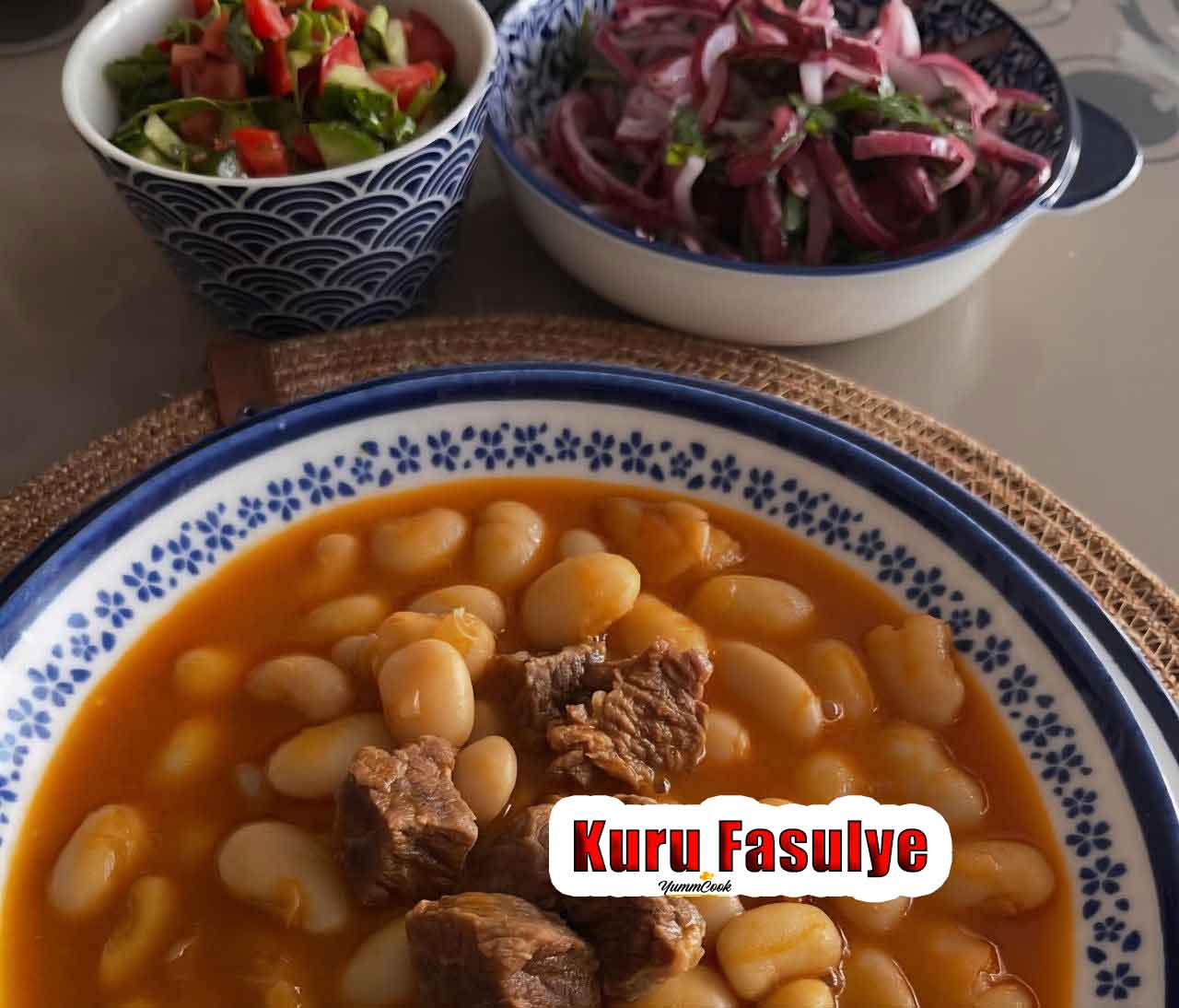
Kuru Fasulye is one of the most popular traditional dishes in Turkey, known as a home-made and authentic dish. This delicious dish, which is made with white beans, onions, tomato paste, and sometimes meat, has a special place on the Turkish table and is usually served with rice or bread.
If you are interested in traditional Middle Eastern cuisine and are looking for a nutritious, economical, and at the same time tasty dish, Kuru Fasulye can be a great choice for you. In this article, you will fully learn about the history, ingredients, preparation method, professional tips, nutritional value, medical benefits, disadvantages, and serving methods of this dish.
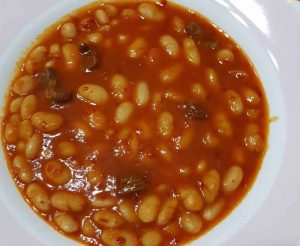
What is Kuru Fasulye?
The word “Kuru” means “dry” in Turkish, and “Fasulye” means “bean”. Therefore, Kuru Fasulye means “dry beans”. This dish is usually made with dried white beans, which are soaked and cooked for a long time, then combined with tomato sauce and spices.
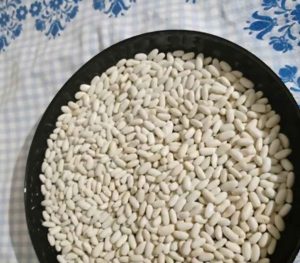
Kuru Fasulye can be prepared in two main ways:
- A simple, vegetarian version (without meat)
- A meaty version with beef or lamb
In many traditional restaurants in cities like Istanbul and Ankara, this dish is served as one of the main daily dishes.
The vegetarian version of this dish is very similar to Lablabi, the only difference being the use of white beans. There are very popular Turkish dishes like Karniarik, which are served with plain rice.
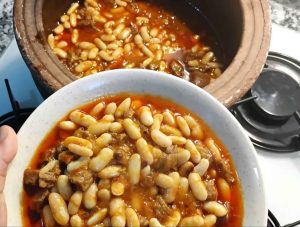
Ingredients for Kuru Fasulye
Make sure to use quality beans and fresh meat to make this dish a delicious experience.
| Dried white beans | 2 cups |
| Onion | 1 large |
| Tomato paste | 2 tablespoons |
| Tomatoes (optional) | 2 grated |
| Minced beef (optional) | 200-300 grams |
| Oil | 3 tablespoons |
| Salt and pepper | As needed |
| Paprika | 1 teaspoon |
| Water | As needed |
How to make Kuru Fasulye step by step
Step 1: Soak the beans
Soak the white beans in cold water the night before. This will:
- Reduce bloating
- Shorten cooking time
- Improve digestion
Step 2: Pre-cook the beans
Drain the beans and cook in a pot with fresh water until half-cooked.
Step 3: Fry the base ingredients
In a separate pot:
- Heat the oil.
- Add the chopped onion and fry until golden.
- If using meat, add it and fry until it changes color.
Step 4: Add the paste and spices
Add the tomato paste and fry for a few minutes until the rawness is removed. Then add the grated tomatoes and spices.
Step 5: Mix the beans and final cooking
Add the half-cooked beans to the pot and pour enough water to cover the ingredients. Reduce the heat and let the food cook slowly for about 45 minutes to 1 hour until it is tender. The food is ready when the sauce has thickened, and the beans are completely soft.
Kuru Fasulye (Turkish White Bean Stew)
Ingredients
Method
- Step 1: Soak the Beans
- Soak dried white beans in cold water overnight (at least 8 hours). Drain before cooking.
- Step 2: Pre-Cook the Beans
- Place the soaked beans in a pot with fresh water. Bring to a boil and cook until half tender (about 20–25 minutes). Drain and set aside.
- Step 3: Sauté the Base
- Heat oil in a large pot. Add chopped onion and sauté until golden.
- If using beef, add it and cook until browned.
- Step 4: Add Tomato Base
- Add tomato paste and cook for 2–3 minutes to remove raw flavor.
- Add grated tomatoes (if using), paprika, salt, and pepper. Stir well.
- Step 5: Simmer
- Add the half-cooked beans to the pot. Pour enough water to cover the beans.
- Reduce heat and simmer gently for 45–60 minutes until beans are fully tender and the sauce thickens.
- Let rest for 10-15 minutes before serving.
Golden tips for cooked Kuru Fasulye
- Slow and long cooking gives better flavor.
- Using broth deepens the flavor of the food.
- Adding a little butter at the end of cooking creates a wonderful aroma.
- Let the food rest for 10 to 15 minutes after turning off the heat.
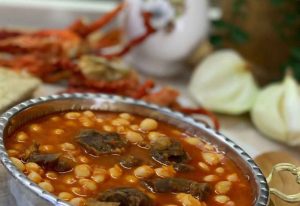
Benefits of Kuru Fasulye for the body
- Excellent source of fiber: High fiber improves digestive function, reduces constipation, controls blood sugar, and lowers cholesterol
- Helps with heart health: Beans can be effective in lowering blood pressure and improving heart health due to their potassium and fiber content.
- Suitable for vegetarian diets: The meatless version of this dish is a source of healthy plant-based protein.
- Creates a long feeling of fullness: The combination of fiber and protein provides lasting satiety and helps with weight control.
Disadvantages of Kuru Fasulye for the body
- Causes bloating: If soaked insufficiently, beans may cause bloating.
- High sodium if high salt consumption: High salt consumption can increase blood pressure.
- Higher calories in the meat version: If high-fat meat is used, the amount of saturated fat increases.
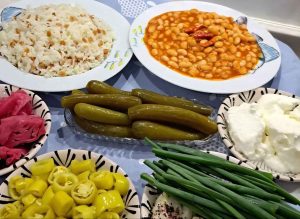
Serving methods for Kuru Fasulye
Kuru Fasulye is usually served with plain rice (Pilav) and fresh bread, and pickles and yogurt can also be used alongside it. Combining this dish with rice is one of the most classic meals in Turkey.
Vegetarian version of Koru Fasuliye
For a completely vegetarian version, you should remove the meat and use olive oil. Use a little cumin for a different flavor and to eliminate bloating.
Storage and freezing
- Can be stored in the refrigerator for up to 3 days.
- Can be stored in the freezer for up to 2 months.
- Add a little water when reheating.
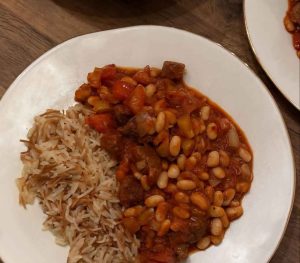
History of Kuru Fasulye in Turkish food culture
Beans are one of the oldest and most consumed foods in the Anatolian region. With the arrival of white beans from the Americas to the Ottoman Empire in the 16th century, this food quickly became part of Ottoman cuisine.
Over time, Koru Fasuliye became a popular dish among different classes of society, from rural homes to urban restaurants. Today, this dish is considered a symbol of Turkish home cooking.

Summary
Kuru Fasulye is one of the most authentic and popular traditional Turkish dishes, combining simplicity, high nutritional value, and a deep, home-made taste. It can be made in both vegetarian and meat versions and can be a healthy, nutritious, and economical meal for the family. If you are interested in traditional Middle Eastern cuisine, you should definitely try this Turkish white bean dish.
Frequently Asked Questions About Kuru Fasulye
-
What is Kuru Fasulye made of?
Kuru Fasulye is made with dried white beans, onions, tomato paste, oil, spices, and sometimes beef or lamb. It is slowly cooked until the beans are tender and the sauce thickens.
-
Is Kuru Fasulye vegetarian?
Yes, Kuru Fasulye can be completely vegetarian if made without meat and prepared with olive oil instead of butter or animal fat.
-
How long does it take to cook Kuru Fasulye?
It usually takes about 1.5 to 2 hours in total, including soaking and simmering time. Using a pressure cooker can reduce the cooking time to around 30 minutes.
-
Can I use canned beans instead of dried beans?
Yes, you can use canned white beans to save time. However, the traditional version made with soaked dried beans has a richer flavor and better texture.
-
What is Kuru Fasulye traditionally served with?
Kuru Fasulye is traditionally served with Turkish rice (pilav), fresh bread, pickles, and sometimes yogurt for a balanced and satisfying meal.

goood