
Baghali Polo Recipe (Persian Dill Rice with Fava Beans)
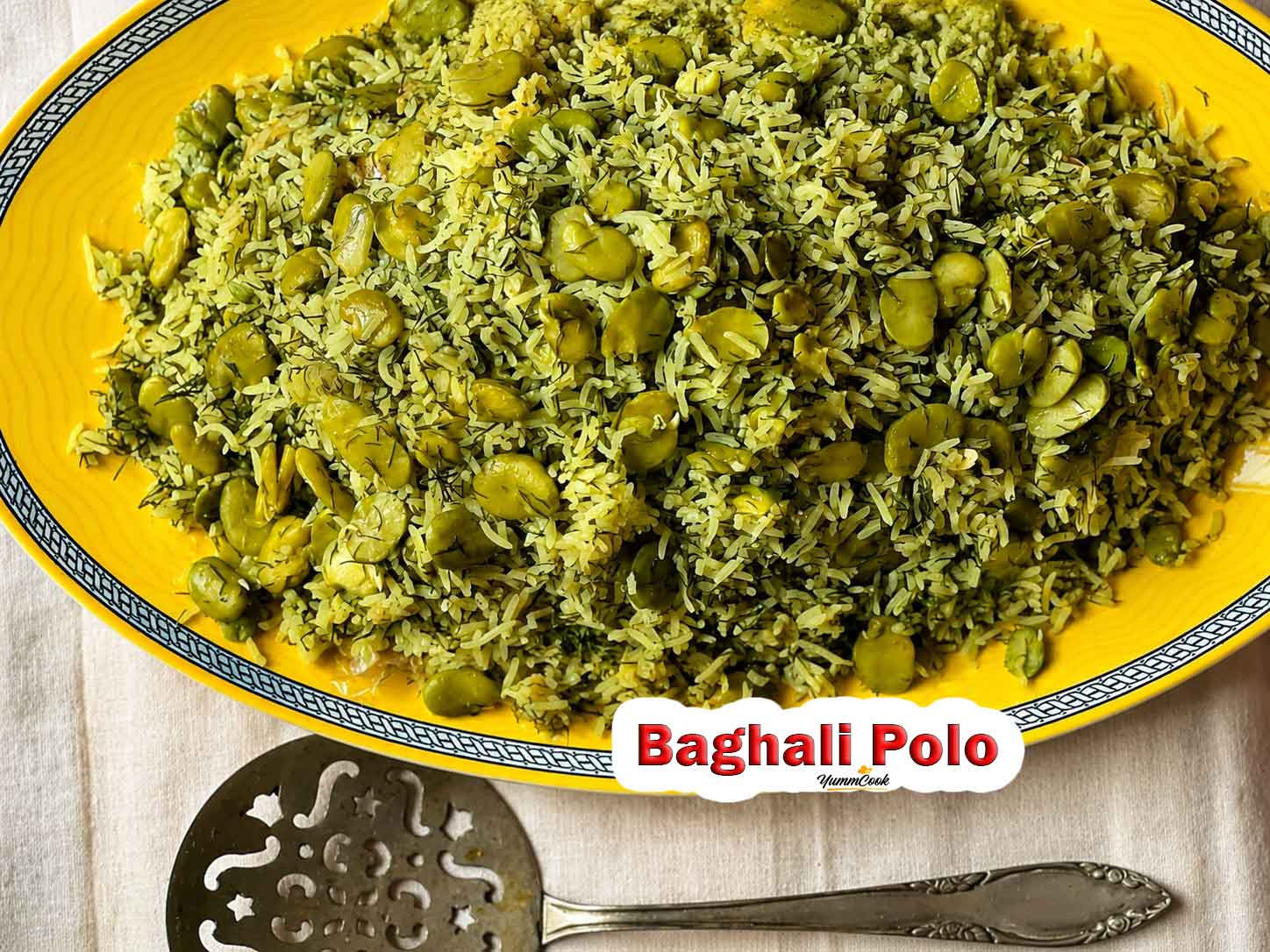
Discover an authentic Baghali Polo recipe, one of the most beloved dishes in Persian cuisine. This classic Persian rice dish combines fluffy basmati rice with fragrant dill, tender fava beans, and aromatic saffron for a beautiful balance of flavor and texture.
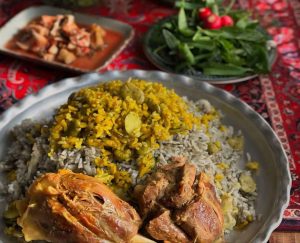
Traditionally served with slow-cooked lamb shank (Mahicheh) or saffron chicken, Baghali Polo is a popular choice for family gatherings, celebrations, and special occasions. With its delicate aroma, fluffy grains, and crispy golden tahdig, this Persian dill rice brings the authentic taste of Iran to your table.
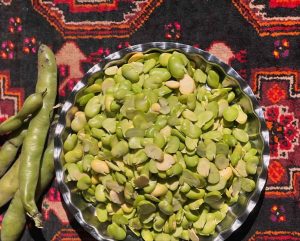
What Is Baghali Polo?
Baghali Polo, sometimes written as Baghali Polow or Baghali Pilaf, is a traditional Persian rice dish made with basmati rice, dill, and fava beans.
The name itself is simple:
- Baghali means fava beans.
- Polo (Polow) refers to steamed Persian rice.
Although the ingredient list is relatively short, preparing authentic Persian rice requires a technique that has been perfected over generations. Unlike many rice recipes where everything cooks together in one pot, Persian rice is first parboiled, drained, and then gently steamed. This process produces rice that’s incredibly light, fluffy, and perfectly separated never sticky or mushy.
During the steaming process, layers of dill and fava beans infuse the rice with their fresh, earthy flavors, while saffron adds its unmistakable floral aroma. The result is a dish that’s simple in appearance but wonderfully complex in flavor.
Why You’ll Love This Recipe
There are countless reasons why Baghali Polo has remained one of the most cherished dishes in Persian cuisine.
It’s Full of Fresh Flavor
Fresh dill gives the rice a bright, herbaceous flavor that perfectly complements the buttery richness of the fava beans.
Perfect for Special Occasions
This is one of those recipes that looks as impressive as it tastes. Whether you’re hosting a dinner party or celebrating a holiday, Baghali Polo always makes a beautiful centerpiece.
Surprisingly Simple
While Persian rice has a reputation for being difficult, the process is much easier than many people expect. Once you understand the basic technique, you’ll be able to recreate restaurant-quality rice at home.
Naturally Gluten-Free
Since it’s made with rice, herbs, and vegetables, Baghali Polo is naturally gluten-free and suitable for a variety of diets.
Incredibly Versatile
Serve it with slow-cooked lamb shank, grilled chicken, kebabs, seafood, or even roasted vegetables for a delicious vegetarian meal.
A Brief History of Baghali Polo
Rice has been at the heart of Persian cooking for centuries, particularly in the lush northern provinces of Iran where rice fields stretch across the countryside. Over time, Persian cooks developed countless rice dishes by pairing fragrant grains with herbs, vegetables, legumes, dried fruits, and aromatic spices.
Baghali Polo recipe is believed to have originated as a celebration of spring, when fresh fava beans and dill were harvested in abundance. These seasonal ingredients were combined with newly harvested rice to create a dish that celebrated the arrival of warmer weather and fresh produce.
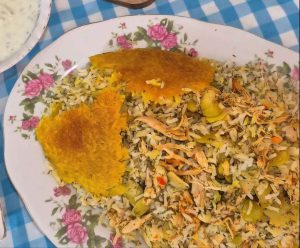
Ingredients You’ll Need
One of the reasons Baghali Polo is so loved is that it relies on a handful of simple ingredients, each contributing something unique to the final dish.
Basmati Rice
High-quality aged basmati rice is the foundation of this recipe. Its long, slender grains stay beautifully separate after steaming and absorb the delicate flavors of dill and saffron without becoming sticky.
Fava Beans
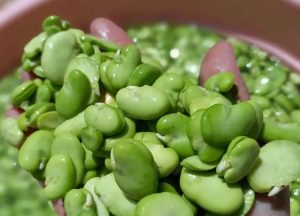
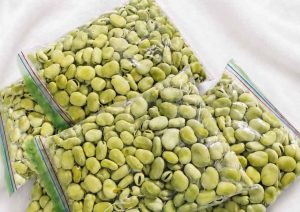
Fresh fava beans are traditionally used during spring, but frozen peeled fava beans are an excellent alternative and are widely used today. They have a soft, buttery texture that pairs perfectly with the fragrant rice.
Fresh Dill
Dill is the signature herb in Baghali Polo. Its fresh, slightly grassy flavor brings brightness to the dish and balances the richness of the butter and saffron. While dried dill can be used in a pinch, fresh dill offers the best flavor and aroma.
Saffron
Often called the world’s most precious spice, saffron gives Baghali Polo its unmistakable golden color and floral fragrance. For the best results, steep the saffron threads in hot water before adding them to the rice.
Butter and Oil
A combination of butter and a neutral cooking oil adds richness while helping create the crispy tahdig that Persian rice is famous for.
Salt
Properly seasoning the cooking water ensures that every grain of rice is flavorful from the inside out. In the next section, we’ll cover the equipment you’ll need, detailed step-by-step instructions, and the traditional Persian technique for creating perfectly fluffy rice with a crispy golden tahdig every time.
Equipment You’ll Need
Before you begin, gather the following kitchen tools:
- A large pot for boiling the rice
- A colander for draining
- A heavy-bottomed non-stick pot or Dutch oven
- A wooden spoon or rice paddle
- A clean kitchen towel
- A small bowl for blooming the saffron
Using a heavy pot helps distribute the heat evenly, preventing the rice from burning while allowing the tahdig to develop slowly.
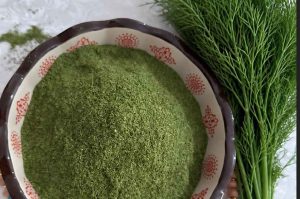
Ingredients for Baghali Polo
Simple and flavorful ingredients like basmati rice, dill, fava beans, saffron, and butter create the authentic taste of this classic Persian rice dish.
| Ingredient | Amount |
| Aged basmati rice | 3 cups |
| Peeled fresh or frozen fava beans | 2 cups |
| Fresh dill, finely chopped | 1 cup |
| Dried dill (alternative) | 4 tablespoons |
| Butter | 2 tablespoons |
| Neutral cooking oil | 2 tablespoons |
| Brewed saffron | 2 tablespoons |
| Salt | 2 teaspoons (plus extra for boiling water) |
| Water | As needed |
Optional Tahdig
Choose one of the following:
- Thin potato slices
- Lavash bread
- Flour tortillas
- Romaine lettuce leaves
- Plain yogurt mixed with a little rice
Each creates a slightly different texture, but they’re all delicious.
How to Make Baghali Polo (Step-by-Step)
One of the things that makes Persian rice unique is the cooking method. Rather than simply boiling rice until all the water is absorbed, Persian cooks use a two-step process: the rice is first parboiled and then gently steamed. This technique creates incredibly light, fluffy grains and the famous crispy crust known as tahdig.
Step 1: Wash and Soak the Rice
Place the basmati rice in a large bowl and rinse it several times with cold water until the water runs almost clear. This removes excess starch and helps keep the grains separate during cooking. Cover the rice with fresh water, add a tablespoon of salt, and let it soak for at least one hour. If you have time, soaking for two to three hours produces even better results.
Step 2: Bloom the Saffron
While the rice is soaking, prepare the saffron. Grind a small pinch of saffron threads using a mortar and pestle or the back of a spoon. Pour a few tablespoons of hot (not boiling) water over the saffron and let it steep for at least 10 minutes. This simple step unlocks the saffron’s beautiful golden color and delicate floral aroma.
Step 3: Prepare the Fava Beans
If you’re using fresh fava beans:
- Remove them from their pods.
- Peel the outer skin if necessary.
- Blanch them in boiling water for 3-4 minutes.
- Drain and set aside.
Frozen peeled fava beans are much more convenient and require only a quick thaw before using.
Step 4: Parboil the Rice
Bring a large pot of generously salted water to a rolling boil. Drain the soaked rice and carefully add it to the boiling water. Cook for approximately 6-8 minutes.
The rice should be soft on the outside but still have a slight bite in the center. Think of it as cooking pasta al dente. Drain the rice immediately in a colander. Some Persian cooks lightly rinse the rice with lukewarm water to stop the cooking process, while others skip this step. Both methods work well.
Step 5: Build the Layers
Return the pot to medium heat and add the oil and butter. If you’re making tahdig, arrange your potatoes, lavash, or other chosen base across the bottom of the pot.
Now begin layering:
- A layer of rice
- A handful of fava beans
- A generous sprinkle of chopped dill
Repeat until all the ingredients have been used. Avoid pressing the rice down. Keeping it loose allows the steam to circulate freely, producing perfectly fluffy grains.
Step 6: Add the Saffron
Drizzle the brewed saffron over the top layer of rice. For an even richer flavor, dot a few small pieces of butter across the surface. Some cooks reserve a small portion of cooked rice, mix it with saffron, and spoon it over the finished dish just before serving for an extra pop of color.
Step 7: Steam the Rice
Use the handle of a wooden spoon to poke four or five small holes through the rice gently. These steam vents help distribute heat evenly throughout the pot. Wrap the lid with a clean kitchen towel before placing it on the pot.
The towel absorbs excess moisture and prevents water droplets from falling back onto the rice, helping keep every grain light and fluffy. Cook over medium heat for about 10 minutes. Then reduce the heat to low and continue steaming for another 35-40 minutes. Patience is the secret. Slow steaming is what gives Persian rice its signature texture.
Baghali Polo Recipe (Persian Dill Rice with Fava Beans)
Ingredients
Method
- Step 1
- Wash the basmati rice several times until the water runs clear. Soak the rice in salted water for at least 1 hour.
- Step 2
- Prepare the saffron by grinding the threads and steeping them in hot water for 10 minutes.
- Step 3
- Prepare the fava beans by blanching fresh beans for 3-4 minutes. If using frozen fava beans, thaw them before cooking.
- Step 4
- Bring a large pot of salted water to a boil. Add the soaked rice and cook for 6-8 minutes until the outside is soft but the center remains slightly firm. Drain the rice.
- Step 5
- Heat butter and oil in a heavy-bottomed pot. Add your preferred tahdig layer if using.
- Step 6
- Layer the rice with fava beans and dill. Repeat the layers without pressing the rice down.
- Step 7
- Pour saffron over the rice, cover the pot with a towel-wrapped lid, and steam for 35-40 minutes over low heat.
- Step 8
- Serve the Baghali Polo with crispy tahdig on the side and enjoy with lamb shank, saffron chicken, kebabs, or fresh herbs.
How to Tell When It’s Ready
You’ll know your Baghali Polo is finished when:
- The kitchen smells wonderfully fragrant.
- The rice is tender and fluffy.
- The saffron has created beautiful golden streaks.
- The bottom of the pot has developed a crisp, golden tahdig.
To check, gently lift one edge of the rice with a spatula. If the crust is golden brown, it’s ready to serve.
How to Serve Baghali Polo
Carefully spoon most of the rice onto a serving platter, keeping the grains as fluffy as possible. Finally, remove the tahdig in large pieces and arrange it around the rice or place it on a separate plate if you want everyone to have a fair share.
Baghali Polo is traditionally served with:
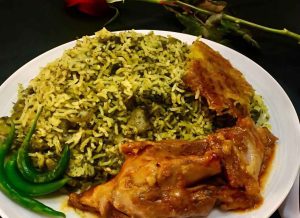
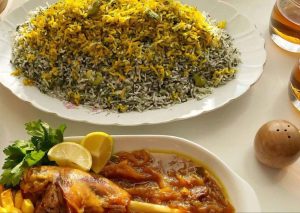
- Slow-cooked Persian lamb shank (Mahicheh)
- Saffron-roasted chicken
- Grilled lamb chops
- Koobideh kebab
- Beef or chicken kebabs
- Grilled fish
For a complete Persian meal, add:
- Shirazi Salad
- Mast-o-Khiar (Persian yogurt with cucumber and mint)
- Fresh herbs (sabzi khordan)
- Pickled vegetables
- Doogh (Persian yogurt drink)
Together, these dishes create a balanced meal that’s fresh, flavorful, and deeply rooted in Persian culinary tradition.
Expert Tips for the Best Baghali Polo
Persian rice has a reputation for being difficult to master, but it’s really about understanding a few simple techniques. These tips will help you achieve light, fluffy rice and a beautifully crisp tahdig every time.
Choose the Right Rice
The quality of the rice makes all the difference. Long-grain aged basmati rice is the traditional choice because it cooks into separate, fluffy grains without becoming sticky. If possible, look for premium Indian or Pakistani basmati rice. The extra-long grains create the authentic texture that Persian rice is known for.
Don’t Skip the Soaking Step
Soaking the rice isn’t just a tradition; it helps the grains absorb moisture before cooking, reducing the chance of breaking and allowing them to cook more evenly. Even one hour of soaking can noticeably improve the final texture.
Use Fresh Dill When Available
Fresh dill gives the Baghali Polo recipe its bright, herbaceous flavor and vibrant green color. If fresh dill isn’t available, dried dill is a perfectly acceptable substitute. Just remember that dried herbs are more concentrated, so you’ll need less.
Be Patient While Steaming
Many first-time cooks are tempted to increase the heat to speed up the cooking process. Don’t. Slow steaming is what creates soft, fluffy rice while allowing the tahdig to develop without burning. Good Persian rice is never rushed.
Bloom Your Saffron Properly
A small amount of saffron goes a long way. Grinding the threads and steeping them in hot water before adding them to the rice releases their color and aroma much more effectively than sprinkling the threads directly into the pot.
Common Mistakes to Avoid
Even experienced home cooks can run into a few challenges. Here are the most common mistakes and how to avoid them.
Overcooking the Rice
The rice should only be partially cooked during the boiling stage. If it’s fully cooked before steaming, the final result may become soft and mushy.
Using Too Much Water
Once the rice has been drained, there shouldn’t be any extra water in the pot. Persian rice finishes cooking with steam, not boiling water.
Packing the Rice Too Tightly
When layering the rice, keep it loose and airy. Compressed rice prevents steam from circulating properly.
Cooking Over High Heat
High heat may burn the tahdig before the rice has finished steaming. Low and steady heat produces the best results.
Skipping the Towel
Wrapping the lid with a clean kitchen towel absorbs condensation, preventing water from dripping back onto the rice. It’s a simple step that makes a noticeable difference.
Delicious Variations: Baghali Polo
One of the wonderful things about Baghali Polo is how adaptable it is.
Baghali Polo with Lamb Shank
This is the most traditional version. The rich, slow-cooked lamb perfectly complements the delicate rice and is often served at weddings and holiday celebrations.
Baghali Polo with Saffron Chicken
Tender roasted or braised chicken flavored with saffron is a lighter but equally delicious pairing. It’s also one of the most popular ways to serve the dish in Persian homes.
Vegetarian Baghali Polo
The rice is flavorful enough to stand on its own. Serve it with grilled vegetables, roasted mushrooms, or a generous bowl of yogurt with cucumber and mint.
Seafood Version
Grilled salmon or white fish pairs surprisingly well with the fresh dill and saffron. This variation is especially popular in northern Iran near the Caspian Sea.
How to Store Leftovers
Allow the rice to cool completely before transferring it to an airtight container. Store it in the refrigerator for up to four days. The flavors often become even more pronounced the next day, making leftovers especially enjoyable.
Can You Freeze Baghali Polo?
Yes. Place cooled rice in freezer-safe containers or bags. Freeze for up to two months. For the best texture, thaw overnight in the refrigerator before reheating.
How to Reheat
The easiest way to reheat Baghali Polo is on the stovetop. Add a tablespoon of water to a pan, cover, and warm over low heat until heated through. You can also microwave individual portions with a damp paper towel placed over the rice to help retain moisture.
Frequently Asked Questions
Can I use frozen fava beans?
Absolutely. Frozen peeled fava beans are widely used and save a great deal of preparation time.
Can I make Baghali Polo ahead of time?
Yes. It reheats beautifully, making it an excellent choice for entertaining.
Can I use jasmine rice?
You can, but basmati rice is highly recommended. Its long grains and fragrant aroma create the authentic texture associated with Persian cuisine.
What if I can’t find saffron?
The dish will still taste delicious without it, but saffron contributes both its distinctive aroma and beautiful golden color. If possible, it’s worth including.
Is Baghali Polo gluten-free?
Yes. The rice itself is naturally gluten-free. Just be sure to use a gluten-free option if you’re making tahdig with bread.
What does Baghali Polo taste like?
It has a delicate, fresh flavor. The dill provides a bright herbal note, the fava beans add a creamy texture, and the saffron brings a subtle floral aroma that ties everything together.
Explore more delicious Persian recipes and discover the rich flavors of Iranian cuisine. From the traditional Vavishka, a flavorful northern Iranian dish, to the iconic Kale Pacheh, a beloved Persian breakfast specialty, and the simple yet delicious Gheysava, there are many unique dishes to try. If you enjoy Persian rice dishes, don’t miss our classic Tahchin, a crispy saffron rice dish that is perfect for special occasions.
Conclusion
Baghali Polo is much more than a rice dish; it’s a celebration of Persian hospitality, tradition, and craftsmanship. Every step, from washing the rice to patiently steaming it and revealing the golden tahdig, reflects the care and attention that define Persian home cooking. While the recipe may seem detailed at first, don’t let that discourage you. Once you’ve mastered the technique, you’ll discover just how rewarding it is to prepare authentic Persian rice at home. The result is a dish that’s elegant enough for a holiday feast, yet comforting enough for a family dinner.
Whether you serve it with tender lamb shank, saffron chicken, grilled fish, or simply enjoy it on its own, Baghali Polo is a recipe you’ll come back to again and again. It’s a timeless classic that showcases how a few simple ingredients can come together to create something truly extraordinary. If you’re exploring Persian cuisine for the first time, there’s no better place to start than with this beautiful and aromatic dish.
