
Katlama Recipe: Crispy, Flaky Flatbread
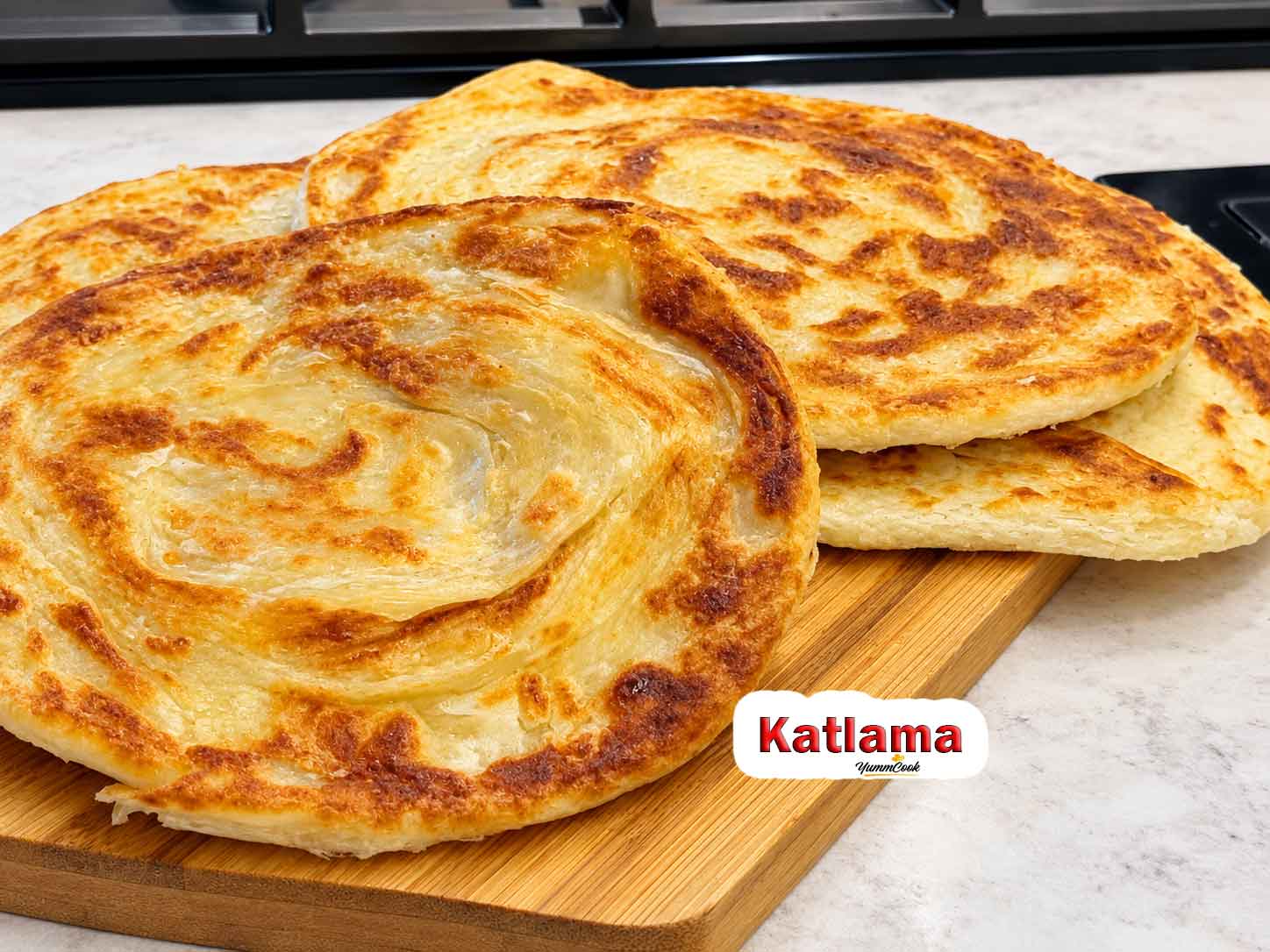
Katlama is a traditional layered flatbread enjoyed in the culinary traditions of Turkmenistan and other parts of Central Asia. It is made with a simple dough that is rolled thin, layered with oil or butter, folded, and cooked until beautifully golden.
What makes this bread special is its texture. The outside becomes lightly crisp, while the inside develops tender, flaky layers. It is a humble recipe, but when served warm, it has a wonderful homemade character that is difficult to resist. In Turkmen cuisine, simple dough-based foods have an important place in everyday cooking. Qatlamais is a great example of how flour, water, salt, and a little fat can be transformed into a satisfying Turkmen bread with plenty of flavor and texture.
A Brief History of Katlama in Turkmenistan
Katlama is part of the broader Central Asian tradition of preparing layered dough dishes. In Turkmenistan, traditional breads and flour-based foods have long been connected with family meals, hospitality, and everyday home cooking. The name Katlama is associated with the idea of folding or layering dough. This technique is what gives the bread its characteristic appearance and texture. Instead of baking the dough as one thick piece, it is repeatedly rolled and folded with oil or fat between the layers.
Traditional recipes can vary between households and regions. Some versions are plain, while others include onion or herbs. The method is simple enough to adapt, but the layered structure remains the defining feature of this Turkmen Katlama.
What Is Turkmen Katlama?
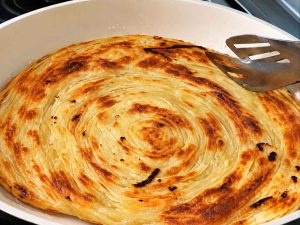
Turkmen Katlama is a pan-cooked layered flatbread prepared from flour, water, salt, and oil or butter. The dough is rolled thin, coated with fat, folded or rolled, and then shaped before being cooked in a frying pan. The result is a bread with a golden exterior and soft, delicate layers inside. When freshly cooked, the edges can become pleasantly crisp without making the center dry.
One of the things I enjoy most about making Katlama is watching the layers appear as the bread cooks. What starts as a very simple piece of dough becomes something that looks and tastes much more elaborate.
Ingredients for Turkmen Katlama
The ingredients are uncomplicated, which makes this Katlama recipe particularly convenient for home cooks.
| Ingredient | Amount |
| All-purpose flour | 3 cups (375 g) |
| Warm water | 1-1¼ cups |
| Salt | 1 teaspoon |
| Vegetable oil | 4 tablespoons |
| Onion | 1 medium, finely chopped |
| Fresh herbs | 2 tablespoons, chopped |
| Black pepper | ½ teaspoon |
| Vegetable oil for cooking | 3-4 tablespoons |
For a more traditional-tasting and richer version, part of the vegetable oil can be replaced with melted butter or rendered fat. The onion is optional. A plain version is perfectly suitable if you want the flavor of the dough and the delicate layers to be the main focus.
How to Make Katlama Step by Step
-
Prepare the Dough
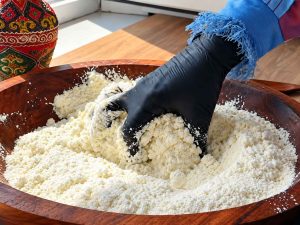
- Place the flour and salt in a large mixing bowl.
- Gradually add warm water while mixing until the ingredients come together into a firm dough. Do not add all the water at once because the amount needed can vary slightly depending on the flour.
- Knead the dough for about 8 to 10 minutes. It should become smooth and elastic.
- Cover the dough and leave it to rest for around 30 minutes.
- This resting stage is important. A rested dough is much easier to roll thin and is less likely to shrink back when you work with it.
-
Prepare the Optional Filling
- If you want an onion version, finely chop one medium onion.
- Mix it with chopped herbs, black pepper, and a small pinch of salt.
- Keep the pieces very small. Large pieces can make the dough difficult to roll and may create uneven layers.
- For a completely plain Turkmen bread style, simply leave the filling out.
![Rolling Katlama dough]()
-
Divide and Roll the Dough
- Divide the rested dough into four equal portions.
- Shape each portion into a ball and cover them while you work so they do not dry out.
- Take one ball and roll it on a lightly floured surface. Try to make the dough very thin without tearing it.
- This is one of the most important steps in the entire recipe. The thinner the first sheet is, the more delicate the final layers can become.
-
Add Oil and Create the Layers
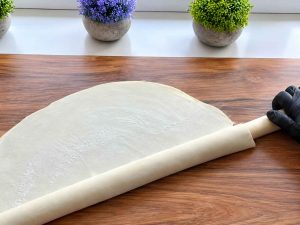
- Brush the rolled dough with a thin layer of vegetable oil or melted butter.
- If using the onion filling, scatter a small amount evenly over the surface.
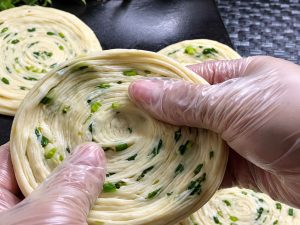
- Now roll the dough tightly from one side until you have a long cylinder.
- Coil the cylinder into a spiral and tuck the end underneath.
- At this point, the dough should resemble a small round coil. Let it rest for approximately 10 minutes.
- This short rest makes the next rolling stage easier and helps preserve the layers.
-
Roll the Coil Again
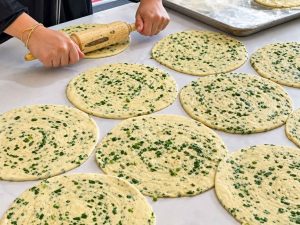
- Gently flatten the coil with your palm.
- Roll it into a round approximately 18-20 cm wide.
- Do not press too aggressively. The goal is to flatten the coil while keeping the layers intact.
- If the dough resists or springs back, stop rolling and let it rest for another few minutes.
- Patience at this stage is one of the easiest ways to improve your Katlama recipe.
-
Cook the Katlama
- Heat a wide frying pan over medium heat.
- Add a small amount of oil and carefully place the flattened dough into the pan.
- Cook for about 3 to 4 minutes on the first side. When the bottom becomes golden, turn it over.
- Continue cooking until the second side is also golden and crisp.
- Avoid using high heat. The outside can brown very quickly while the center remains undercooked. Medium heat gives the layers enough time to cook properly.
-
Serve Warm
- Transfer the finished Katlama to a plate.
- Let it rest for one or two minutes, then serve it warm.
- I prefer tearing it apart by hand rather than cutting it immediately. The layers become more visible, and the bread has a much more rustic appearance.
- It can be served with yogurt, fresh vegetables, tea, or alongside other savory dishes.
Katlama Recipe
Ingredients
Method
- Mix the flour and salt in a bowl. Gradually add warm water and knead until a smooth, firm dough forms.
- Cover the dough and let it rest for 30 minutes.
- Divide the dough into four equal portions and roll each portion into a thin sheet.
- Brush each sheet with vegetable oil. Add the optional onion, parsley, and black pepper.
- Roll the dough into a cylinder, coil it into a spiral, and let it rest for 10 minutes.
- Gently flatten each coil and roll it into a round flatbread.
- Heat a little oil in a frying pan over medium heat.
- Cook each Katlama for 3-4 minutes per side until golden brown and crispy.
- Serve warm for the best texture and flavor.
What Makes Turkmen Katlama Different?
The most distinctive feature of Qatlama is its layered structure. Unlike an ordinary flatbread, the dough is repeatedly rolled and folded with fat between the layers. This creates a combination of crispness and softness that makes the bread particularly enjoyable.
The recipe is also wonderfully adaptable. A plain version highlights the flavor of the dough, while onion adds sweetness and aroma. This flexibility is one reason traditional versions can differ from one home to another while still being recognized as Katlama.
Tips for a Crispy Katlama
A good crispy flatbread depends more on technique than on complicated ingredients. First, make sure the dough rests properly. This makes thin rolling much easier. Second, spread the oil evenly rather than using too much. Excess oil can make the bread greasy and heavy. Third, maintain medium heat. The pan should be hot enough to create a golden crust but not so hot that the outside burns before the center cooks. Finally, serve Katlama soon after cooking. The contrast between the crisp surface and tender layers is at its best when the bread is fresh.
Can Katlama Be Made Without Onion?
Yes. Onion is not essential. A plain Qatlama is an excellent choice when you want a simple Turkmen Katlama with a focus on its flaky layers. You can also experiment with fresh herbs or use melted butter instead of vegetable oil for a richer flavor. The important part is maintaining the basic layering technique.
Can I Use Butter Instead of Oil?
Yes. Melted butter can be used between the layers. Butter gives the bread a richer aroma and a slightly deeper flavor. Ghee can also be used if you prefer a more pronounced buttery taste. For everyday cooking, vegetable oil is an easy and affordable option.
What Does Katlama Taste Like?
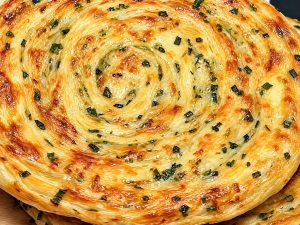
Katlama has a mild, savory flavor with a satisfying combination of textures. The outside is golden and lightly crisp, while the inside contains soft layers that separate when the bread is pulled apart.
An onion-filled version has a gentle sweetness and a more aromatic character. A plain version tastes simpler and allows the buttery or lightly toasted flavor of the dough to stand out. For me, the texture is what makes this layered flatbread memorable. Seeing the thin layers separate after cooking is one of the most satisfying parts of making it at home.
How to Store Katlama
Katlama is best eaten fresh, but leftovers can be stored in an airtight container for about one day. To reheat it, place the bread in a dry frying pan over medium-low heat. Warm it for a few minutes on each side. This method helps restore some of the crispness without making the bread greasy. Avoid overheating it because the layers can become dry and tough.
Explore More Traditional Breads
If you enjoy making Katlama, you may also love exploring other traditional breads from different culinary cultures. Try Bazlama for a soft and fluffy Turkish flatbread, Shelpek for a traditional Central Asian fried bread, and Feta Me Meli for a flavorful Middle Eastern baked specialty. You can also discover Ragag, a thin and crispy flatbread popular in Middle Eastern cuisine, or Simit, the famous Turkish sesame bread with its golden crust. Each recipe offers a unique taste and texture, making it easy to bring more authentic bread traditions into your home kitchen.
Frequently Asked Questions About Katlama
Is Katlama a traditional Turkmen bread?
Katlama is associated with the culinary traditions of Turkmenistan and the wider Central Asian region. Preparation methods and fillings can vary between households and regions.
What does Katlama mean?
The name is connected with the idea of folding or layering dough, which describes the preparation technique used to create its characteristic flaky structure.
Is Katlama always filled with onion?
No. Katlama can be made plain or with different savory additions. Onion is an optional filling rather than a requirement.
Why isn’t my Katlama crispy?
The pan may not be hot enough, or the dough may be too thick. Overloading the dough with oil can also prevent the surface from becoming pleasantly crisp.
Why does my dough keep shrinking?
The dough probably needs more resting time. Gluten can make freshly kneaded dough elastic and difficult to stretch. Allowing it to rest relaxes the dough and makes rolling easier.
Can I prepare Katlama ahead of time?
You can prepare the dough ahead, but the cooked bread is best served fresh. Reheating it in a frying pan is the best way to bring back some of its original texture.
Final Thoughts
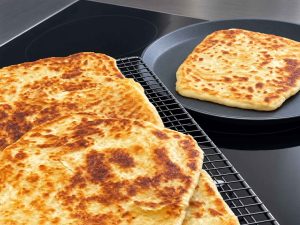
Traditional Katlama is a beautiful example of how simple ingredients can create food with remarkable texture and character. The recipe does not require complicated equipment or unusual ingredients. What matters is taking your time with the dough, creating thin layers, and cooking the bread gently.
Once you master the rolling and coiling technique, making Katlama becomes surprisingly enjoyable. Serve it warm with tea, yogurt, fresh vegetables, or your favorite savory dishes. A homemade piece of Katlama should be golden on the outside, tender inside, and full of delicate layers. That simple combination is what makes this traditional Turkmen layered flatbread worth making again and again.
