
Ghalie Mahi Recipe: Authentic Persian Fish Stew
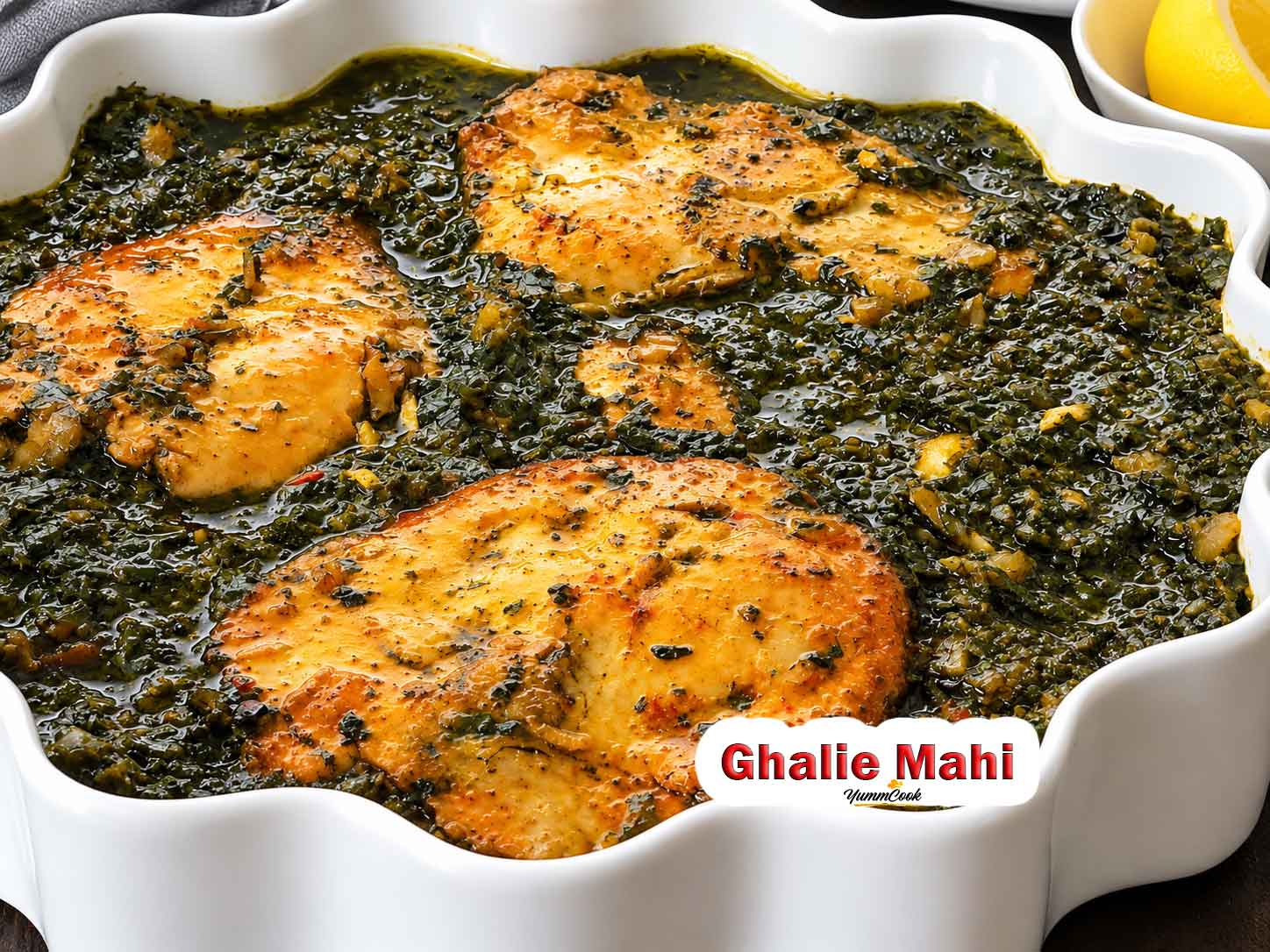
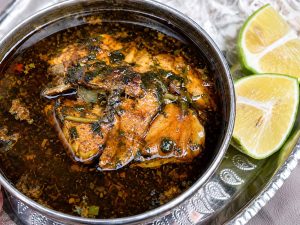
If you are searching for a Persian fish recipe with bold flavors, fragrant herbs, and a deliciously sour and spicy taste, Ghalie Mahi is a dish you should not miss. This traditional Persian fish stew is one of the most recognizable dishes from southern Iran. Fresh fish is slowly cooked with cilantro, fenugreek, garlic, spices, and tamarind to create a rich sauce with a distinctive tangy flavor.
What makes Ghalie Mahi special is the balance between its ingredients. The sourness of tamarind, the aroma of fresh herbs, the warmth of chili, and the delicate flavor of fish come together beautifully. And honestly, the aroma is half of the experience. When the herbs, garlic, and tamarind start cooking, the kitchen quickly begins to smell like a traditional southern Iranian home.
What Is Ghalie Mahi?
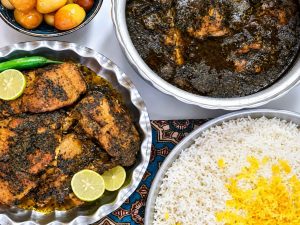
Ghalie Mahi is a traditional Iranian fish stew, particularly associated with the southern regions of Iran. The word “Mahi” means fish in Persian, while Ghalie refers to a type of thick, flavorful stew. Unlike many Western-style fish stews, Ghalie Mahi is built around fresh herbs and tamarind rather than tomatoes or cream.
The classic combination usually includes:
- Fish
- Fresh cilantro
- Fenugreek
- Tamarind
- Garlic
- Onion
- Turmeric
- Black pepper
- Chili pepper
- Salt
- Oil
The exact recipe can vary between families and regions. Some versions are more sour, while others are noticeably spicier. That flexibility is part of the charm of traditional Persian cooking.
Why You Should Try Ghalie Mahi
There are plenty of reasons to put this Persian fish stew on your menu. First, it is completely different from the usual baked or fried fish recipes. Instead of simply seasoning fish, Ghalie Mahi combines fish with a deeply flavored herb and tamarind sauce.
It is also a great option when you want a meal that feels comforting but still has bright, fresh flavors. Most importantly, it gives you the opportunity to experience an authentic part of southern Iranian cuisine without needing an overly complicated cooking technique.
Main Ingredients for Ghalie Mahi
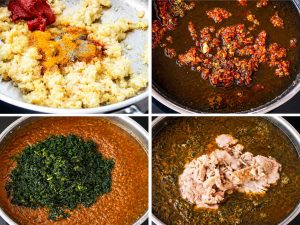
To prepare a flavorful and authentic Ghalie Mahi, you need a few simple ingredients that come together to create its distinctive sour, spicy, and aromatic flavor.
| Ingredient | Amount |
| Firm-fleshed fish | 1-1.5 lb |
| Large onion | 1 |
| Garlic | 4-5 cloves |
| Fresh cilantro | As needed |
| Fresh fenugreek | A small amount |
| Tamarind pulp or paste | As needed |
| Turmeric | As needed |
| Black pepper | As needed |
| Red chili pepper | As needed |
| Salt | To taste |
| Vegetable oil | As needed |
| Water | As needed |
The amount of tamarind and chili can be adjusted according to your taste. If you prefer a milder stew, reduce the chili. If you love the characteristic sour flavor of southern Iranian food, you can increase the tamarind slightly.
How to Make Ghalie Mahi
Step 1: Prepare the Fish
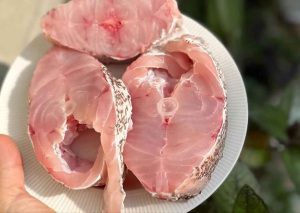
- Cut the fish into medium-sized portions.
- Season it lightly with salt, turmeric, and black pepper.
- For a better texture, you can quickly sear the fish in a little oil. You do not need to cook it completely at this stage because it will finish cooking in the stew.
- A firm fish is preferable because it is less likely to fall apart during simmering.
Step 2: Cook the Onion and Garlic
- Finely chop the onion and sauté it in a little oil until soft and lightly golden.
- Add the chopped garlic and cook for a short time.
- Be careful here. Garlic burns quickly, and burnt garlic can give the entire dish a bitter taste.
- Add turmeric, black pepper, and chili and stir briefly until the spices become fragrant.
Step 3: Add the Herbs
- Finely chop the cilantro and fenugreek.
- Add them to the onion mixture and cook over medium-low heat.
- This is one of the most important stages of making Ghalie Mahi.
- The herbs should have enough time to release their aroma and lose excess moisture. However, they should not be fried until very dark.
- Fenugreek is especially important to watch because too much or overcooked fenugreek can make the stew bitter.
Step 4: Prepare the Tamarind
- Place the tamarind pulp in warm water and let it soften.
- Mix it thoroughly and strain the liquid to remove seeds and fibrous pieces.
- Add the tamarind liquid gradually to the herb mixture.
- I always recommend tasting at this stage. Tamarind products can vary considerably in sourness, so adding a little at a time gives you much better control over the final flavor.
Step 5: Add the Fish
- Gently place the prepared fish into the sauce.
- Reduce the heat and let the stew simmer slowly.
- Avoid stirring the fish too much. Fish becomes delicate as it cooks, and excessive stirring can cause the pieces to break apart.
- Instead, gently shake the pot if necessary.
Step 6: Let Ghalie Mahi Simmer
- Allow the stew to cook over low heat until the fish is fully cooked and the sauce becomes rich and slightly thick.
- This is where patience really pays off.
- A good Ghalie Mahi should not taste like separate ingredients thrown into one pot. The herbs, tamarind, spices, garlic, and fish should come together into one balanced sauce.
Ghalie Mahi Recipe: Authentic Persian Fish Stew
Ingredients
Method
- Prepare the fish
- Pat the fish pieces dry and season them lightly with salt, black pepper, and turmeric. Set aside while preparing the stew base.
- Sauté the onion and garlic
- Heat the oil in a large pot over medium heat. Add the chopped onion and cook until softened and lightly golden. Add the garlic and turmeric, then sauté for another minute until fragrant.
- Cook the fresh herbs
- Add the chopped cilantro and fenugreek. Cook the herbs over medium-low heat for several minutes, stirring occasionally, until they become darker and aromatic. Avoid overcooking the fenugreek, as it can make the stew bitter.
- Add tamarind and spices
- Stir in the tamarind pulp or paste, black pepper, and red chili pepper. Add the water and mix well. Bring the stew base to a gentle simmer and cook for about 10–15 minutes so the flavors can develop.
- Add the fish
- Gently place the seasoned fish pieces into the simmering stew. Cover the pot and cook over low to medium-low heat for about 10-15 minutes, or until the fish is cooked through and tender. Avoid stirring too much to prevent the fish from breaking apart.
- Adjust and serve
- Taste the stew and adjust the salt, tamarind, and chili according to your preference. Simmer for a few more minutes if needed, then serve hot with Persian steamed rice.
What Does Ghalie Mahi Taste Like?
The flavor of Ghalie Mahi is one of its biggest attractions.
It is generally:
- Sour from tamarind
- Spicy from chili
- Aromatic from cilantro and fenugreek
- Savory from fish and garlic
- Warm and earthy from spices
The taste can be adjusted according to personal preference.
If you are new to Persian cuisine, you may find the sourness surprising at first. But once the tamarind, herbs, and spices balance each other, the flavor becomes incredibly addictive.
What Fish Is Best for Ghalie Mahi?
A fish with firm flesh is generally the best choice. Firm fish holds its shape better during cooking and gives the stew a more satisfying texture. Depending on availability and regional tradition, different types of fish can be used.
When choosing fish, focus on freshness and texture rather than worrying about finding one specific variety. The fish should have firm flesh and a clean, fresh smell.
Health and Nutritional Benefits of Ghalie Mahi
Besides being flavorful, Ghalie Mahi can also be a nutritious meal, especially when prepared with a moderate amount of oil and served as part of a balanced diet. The exact nutritional profile depends on the fish used and the quantities of oil, herbs, tamarind, and rice served with it.
-
High-Quality Protein
Fish is an excellent source of high-quality protein. Protein plays an important role in maintaining muscles and supporting normal body functions. Including fish in your meals can therefore be a useful way to add protein to your diet.
-
Important Vitamins and Minerals
Depending on the fish variety, Ghalie Mahi can provide nutrients such as vitamin B12, selenium, phosphorus, and other essential micronutrients. The nutritional content varies from one type of fish to another.
-
Potential Source of Omega-3 Fatty Acids
Some fish are naturally rich in omega-3 fatty acids. If you use an oily fish, your Ghalie Mahi may provide more omega-3 fats than a version made with a lean fish.
However, not every fish contains the same amount, so the omega-3 content should not be assumed to be identical for every recipe.
-
Fresh Herbs Add More Than Flavor
Cilantro and fenugreek give Ghalie Mahi its distinctive aroma while also contributing small amounts of vitamins, minerals, and plant compounds. They allow the dish to develop a complex flavor without relying on heavy sauces.
-
Tamarind Provides a Distinctive Tangy Flavor
Tamarind is the ingredient responsible for the signature sourness of Ghalie Mahi. It contains various nutrients and plant compounds, although the amount consumed in a typical serving is relatively small. Its most important role in this recipe is creating the unmistakable flavor that makes the dish so unique.
A Note About the Health Benefits
Ghalie Mahi should be considered part of a varied and balanced diet rather than a medicinal food. The nutritional value of the meal depends on the fish, cooking method, amount of oil, and serving size.
Tips for Making the Best Ghalie Mahi
Don’t Overuse Fenugreek
Fenugreek has a strong flavor. A small amount is usually enough. Too much fenugreek or excessive frying can make the stew bitter.
Add Tamarind Gradually
Not all tamarind products have the same intensity. Start with a smaller amount, taste the sauce, and add more if needed.
Use Fresh Herbs
Fresh cilantro gives the stew a brighter aroma and a more authentic homemade character.
Choose Firm Fish
Firm fish is less likely to disintegrate during cooking.
Don’t Over-Stir
Once the fish has been added, avoid vigorous stirring. This simple step can make a surprisingly big difference to the appearance of the finished dish.
Cook It Slowly
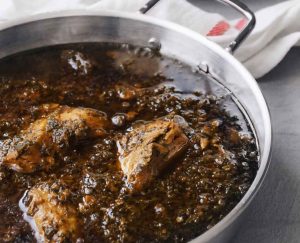
Low and gentle heat gives the flavors time to develop. Ghalie Mahi is not a dish I would rush. The best version is the one that has had enough time to become rich, aromatic, and well balanced.
Why Is My Ghalie Mahi Bitter?
- If your Ghalie Mahi tastes bitter, the first thing to check is the fenugreek.
- Too much fenugreek or excessive frying can create bitterness.
- Burnt garlic and spices can also affect the flavor.
- Another possibility is using too much tamarind or a particularly strong tamarind product.
- The solution is simple: use fenugreek sparingly, avoid burning the aromatics, and add tamarind gradually.
What to Serve with Ghalie Mahi
The classic pairing is Persian steamed rice. The mild flavor of steamed rice works perfectly with the intense tamarind and herb sauce.
You can also serve Ghalie Mahi with:
- Fresh herbs
- Persian pickles
- Fresh garlic
- Lemon or lime
- A simple salad
I personally prefer simple side dishes because they allow the main dish to remain the star of the meal.
Is Ghalie Mahi Spicy?
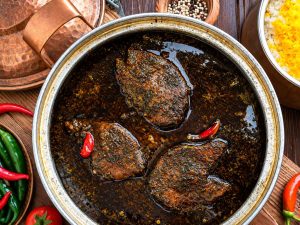
Traditional southern versions can be quite spicy, but the heat level is flexible. You can add more red chili pepper if you enjoy spicy food or reduce it for a milder family-friendly version. The goal is to create a pleasant balance between heat and the sourness of tamarind rather than letting the chili overpower the fish.
More Delicious Persian Stews to Try
If you enjoy hearty and flavorful Persian dishes like Ghalie Mahi, there are several other traditional stews you may want to try. [Ghormeh Sabzi] is a classic Persian herb stew known for its fragrant herbs and dried lime flavor, while [Gheimeh] combines tender meat, split peas, and a rich tomato-based sauce. For a lighter and aromatic option, [Khoresht Karafs] is made with celery and fresh herbs, and [Vavishka] is a delicious northern Iranian dish with a savory, homemade character. These recipes are a great way to explore the variety and comforting flavors of Persian cuisine.
Frequently Asked Questions About Ghalie Mahi
What is Ghalie Mahi?
Ghalie Mahi is a traditional Persian fish stew associated with southern Iranian cuisine. It is usually prepared with fish, fresh herbs, tamarind, garlic, and spices.
What does Ghalie Mahi mean?
“Mahi” means fish in Persian. Ghalie Mahi is the name commonly used for this traditional fish stew.
What does Ghalie Mahi taste like?
Ghalie Mahi typically has a sour, spicy, savory, and herbal flavor. Tamarind provides its characteristic tanginess, while garlic, cilantro, fenugreek, and chili add depth.
Is Ghalie Mahi healthy?
Ghalie Mahi can be a nutritious meal because fish provides protein and may provide nutrients such as vitamin B12, selenium, phosphorus, and omega-3 fatty acids depending on the fish used.
What fish should I use for Ghalie Mahi?
Firm-fleshed fish is generally the best choice because it can withstand simmering without falling apart easily.
Can I use frozen fish?
Yes. Frozen fish can be used as long as it has been stored and thawed properly. Choose a firm-fleshed variety and remove excess moisture before cooking.
Can I make Ghalie Mahi without fenugreek?
Yes. Fenugreek contributes a traditional aroma, but you can reduce it or leave it out if necessary. The final flavor will be slightly different.
How can I make Ghalie Mahi less sour?
Use less tamarind. Since the strength of tamarind varies, adding it gradually is the easiest way to control the sourness.
How do I keep the fish from falling apart?
Use firm fish, avoid overcooking, and don’t stir the stew aggressively after adding the fish.
What is traditionally served with Ghalie Mahi?
Ghalie Mahi is traditionally served with Persian steamed rice. Fresh herbs and pickles can also be served on the side.

Final Thoughts
Ghalie Mahi is one of those Persian dishes that tells a story through flavor. It brings together the bold character of southern Iranian cooking with tender fish, fragrant herbs, garlic, chili, and the unmistakable sourness of tamarind.
It may take a little patience to prepare, but the result is worth it. When the stew is finally ready and served over warm Persian rice, the combination is comforting, aromatic, and full of personality. Whether you are discovering Persian cuisine for the first time or simply looking for a new fish recipe to add to your kitchen routine, Ghalie Mahi is a delicious way to experience the flavors of southern Iran.
