
Kashke Bademjan Recipe: The Ultimate Persian Eggplant Dip
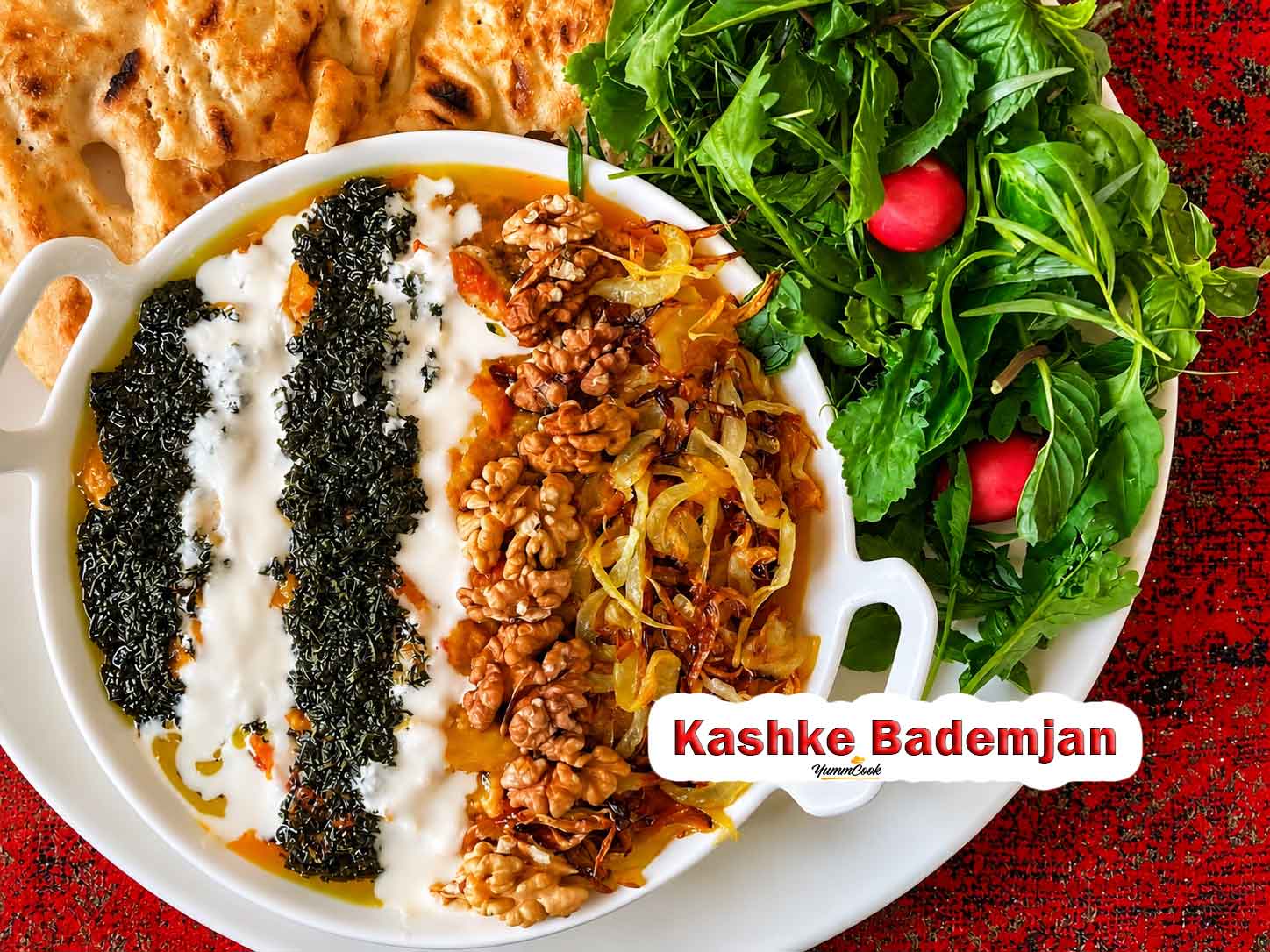
There are some Persian dishes that feel like more than just food, and Kashke Bademjan is definitely one of them. Creamy eggplant, tangy kashk, golden fried onions, garlic, dried mint, and walnuts come together to create a dish that is incredibly comforting and full of character.
For me, Kashke Bademjan is one of those recipes I make when I want something homemade but still impressive enough to serve to guests. I especially love making it on evenings when I have fresh eggplants in the kitchen. Once the onions start browning and the smell of garlic and mint fills the house, I know I’m in for a good meal. Although Kashke Bademjan is often served as a Persian appetizer, it is hearty enough to enjoy as a light meal with warm bread.
What Is Kashke Bademjan?
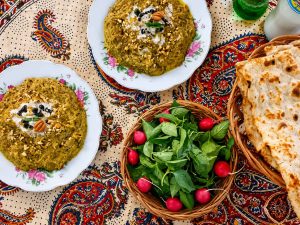
Kashke Bademjan is a traditional Persian eggplant dip made primarily with cooked eggplant, kashk, fried onions, garlic, and dried mint. The name itself describes the two main ingredients: kashk, a tangy fermented dairy product, and bademjan, the Persian word for eggplant. The finished dish has a rich, creamy texture with a wonderful combination of savory, tangy, sweet, and slightly smoky flavors.
Different Persian families have their own version of the recipe. Some use fried eggplant, while others prefer roasted or grilled eggplant. Some add walnuts for extra texture, while others keep the recipe very simple. That’s one of the things I love about traditional Persian cooking: there is usually no single “correct” version.
Ingredients for Kashke Bademjan
To make this flavorful Persian eggplant dip, you will need:
| Ingredient | Amount |
| Medium eggplants | 5-6 |
| Kashk | 1 cup |
| Medium onions | 2 |
| Garlic cloves | 4-5 |
| Dried mint | 1-2 tablespoons |
| Chopped walnuts | 2-3 tablespoons |
| Vegetable oil | As needed |
| Turmeric | 1 teaspoon |
| Salt | To taste |
| Black pepper | To taste |
The exact amount of kashk can be adjusted according to your taste. If you love the distinctive tangy flavor of kashk, feel free to add a little more.
How to Make Kashke Bademjan
-
Prepare the Eggplants
Peel the eggplants and cut them in half lengthwise. Sprinkle them lightly with salt and let them sit for about 30 minutes. This traditional step helps draw out excess moisture and can reduce the bitterness of the eggplant.
Rinse the eggplants and pat them completely dry before cooking. One small tip that has made a noticeable difference in my own cooking: never put wet eggplant into hot oil. Apart from making the oil splatter, excess moisture can cause the eggplant to absorb even more oil.
-
Fry or Roast the Eggplant
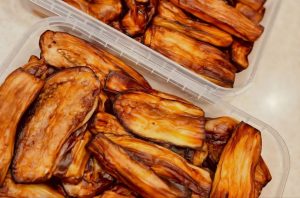
The traditional approach is to fry the eggplant until it becomes soft and golden. However, you can also roast or grill it if you prefer a lighter version. Personally, I love roasted eggplant Kashke Bademjan when I have a little extra time. The subtle smoky flavor gives the dish another layer of depth that you simply don’t get from frying alone.
Once the eggplants are completely tender, mash them with a potato masher or the back of a spoon. Don’t worry about making the texture perfectly smooth. I actually prefer leaving a few small pieces of eggplant because they give the dip a more homemade texture.
-
Make the Fried Onions
Thinly slice the onions and cook them in a little oil over medium heat. Add turmeric and continue cooking until the onions become beautifully golden and caramelized.
This is one of the most important parts of the recipe. Good Persian fried onions, or piaz dagh, add sweetness, aroma, and richness to Kashke Bademjan. I usually make a little extra and save some for garnishing the finished dish. Trust me, that final layer of golden onion makes a big difference.
-
Add the Garlic
Add finely chopped or minced garlic to the onions and cook for a couple of minutes. Be careful not to burn the garlic. I learned this the hard way the first few times I made the dish. Burnt garlic becomes bitter very quickly and can overpower all the other flavors. You want the garlic to become fragrant and lightly golden, not dark brown.
-
Combine the Eggplant, Garlic, and Onions
Add the mashed eggplant to the pan with the fried onions and garlic. Season with salt and black pepper, then cook everything together over low to medium heat. Let the mixture cook for several minutes so the flavors have time to blend. At this point, your kitchen should already smell amazing.
-
Prepare the Mint Oil
While the eggplant mixture is cooking, prepare the Persian mint oil, known as na’na dagh. Heat a small amount of oil and add dried mint. Stir for just a few seconds and immediately remove it from the heat. This step requires attention because dried mint burns very quickly. When done correctly, the mint oil adds a beautiful aroma and a warm herbal flavor to the dish.
-
Add the Kashk
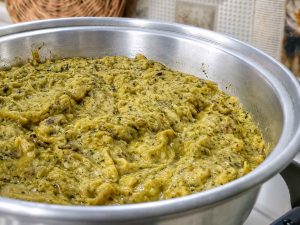
Now comes the ingredient that gives Kashke Bademjan its signature flavor: kashk. Add most of the kashk to the eggplant mixture and stir well. Cook everything together over low heat for a few more minutes. If the mixture seems too thick, add a small amount of warm water until you reach the consistency you like. The final texture should be creamy and thick enough to sit nicely on a piece of bread.
Kashke Bademjan Recipe
Ingredients
Method
- Peel and halve the eggplants. Sprinkle with salt and let them sit for 30 minutes. Rinse and dry thoroughly.
- Fry the eggplants until soft and golden, or roast them for a lighter version. Mash the cooked eggplant.
- Slice the onions and fry them with turmeric until golden and caramelized. Reserve some for garnish.
- Add minced garlic and sauté for 1-2 minutes.
- Add the mashed eggplant, salt, and black pepper. Cook over low heat for about 10 minutes.
- Stir in ¾ cup of kashk and cook for another 5 minutes. Add a little warm water if needed.
- Briefly fry the dried mint in a little oil to make mint oil. Do not let it burn.
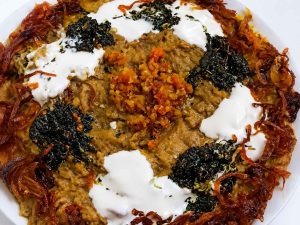
- Transfer the Kashke Bademjan to a serving dish and garnish with kashk, fried onions, mint oil, and chopped walnuts. Serve warm or at room temperature with Persian bread.
How to Serve Kashke Bademjan
Transfer the Kashke Bademjan to a shallow serving dish and spread it gently with the back of a spoon.
Drizzle some additional kashk over the top and garnish with:
- Fried onions
- Garlic
- Dried mint
- Chopped walnuts
I like creating simple swirls with a spoon before adding the toppings. It takes only a minute but makes the dish look much more inviting. Serve it warm or at room temperature with Persian flatbread, such as lavash or sangak.
My Tips for Making the Best Kashke Bademjan
Don’t rush the onions
Golden, slowly cooked onions have much more flavor than onions cooked quickly over high heat.
Choose good eggplants
Look for eggplants that feel firm and have smooth, shiny skin. Very old eggplants can contain more seeds and sometimes have a stronger bitter flavor.
Don’t overcook the mint
This is probably the easiest part of the recipe to get wrong. Dried mint needs only a few seconds in hot oil.
Adjust the kashk gradually
Kashk has a strong, salty and tangy flavor. I recommend adding it gradually and tasting as you go.
Don’t make the dip completely smooth
A slightly rustic texture makes homemade Kashke Bademjan much more enjoyable, in my opinion.
Can You Make Kashke Bademjan Ahead of Time?
Absolutely. In fact, I often think Kashke Bademjan tastes even better after it has had some time to rest. The flavors of the eggplant, garlic, onions, mint, and kashk have more time to come together. You can prepare the main mixture ahead of time, refrigerate it, and gently reheat it before serving. Add the final garnishes just before bringing it to the table. If the dip becomes too thick after refrigeration, simply stir in a small amount of warm water while reheating.
Is Kashke Bademjan Served Hot or Cold?
Kashke Bademjan is usually served warm or at room temperature. I personally prefer it slightly warm because the aroma of the garlic, fried onions, and mint becomes much more noticeable. However, it can also be enjoyed at room temperature, especially when served as part of a Persian appetizer spread.
What to Serve With Kashke Bademjan
Kashke Bademjan pairs beautifully with warm Persian bread.
For a traditional Persian table, you can serve it alongside dishes such as:
- Mirza Ghasemi
- Hummus
- Shirazi salad
- Mast-o Khiar
- Fresh herbs
- Pickles
- Persian bread
It works especially well as part of a collection of small dishes for sharing.
Final Thoughts
For me, Kashke Bademjan represents everything I enjoy about Persian home cooking. It doesn’t require a long list of complicated ingredients, yet the final result is incredibly flavorful. The creamy eggplant, tangy kashk, sweet caramelized onions, fragrant garlic, aromatic mint, and crunchy walnuts create a combination that is hard to resist.
And perhaps the best part is that you don’t need to make it perfectly. The beauty of this traditional Persian eggplant dip is in its homemade character. Take your time with the onions, don’t burn the mint, use good eggplant, and taste as you go. Those small details are what turn a simple eggplant dish into a memorable Kashke Bademjan.
