
Koofteh Tabrizi Recipe: Authentic Persian Stuffed Meatballs
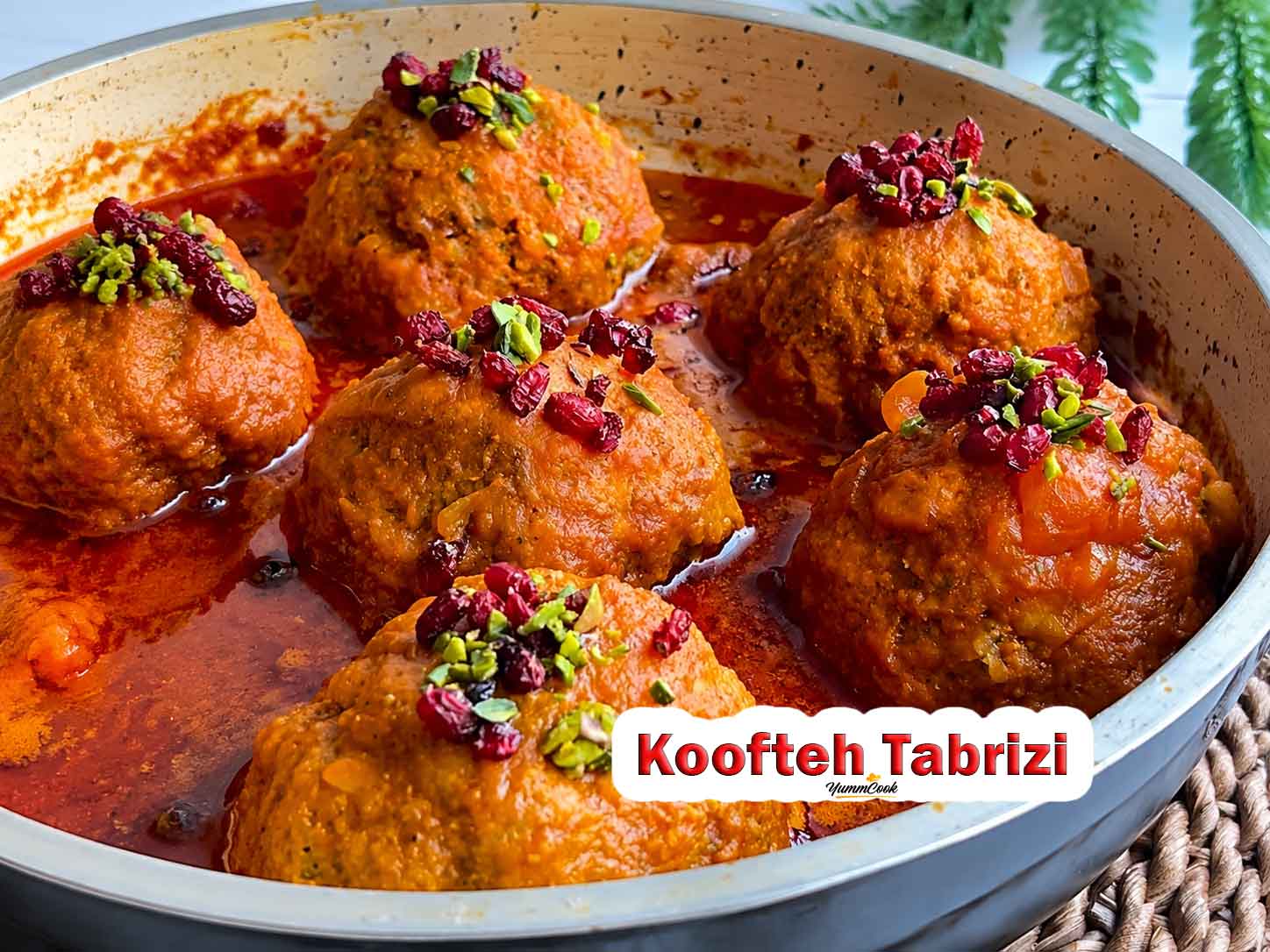
If you’re looking for a comforting, flavorful meal that represents the heart of Persian cuisine, this Koofteh Tabrizi Recipe is a must-try. Originating from the historic city of Tabriz in northwestern Iran, Koofteh Tabrizi is one of the country’s most iconic traditional dishes. These large, tender Persian meatballs are made with ground meat, rice, split peas, fresh herbs, and aromatic spices, then gently simmered in a rich tomato-based broth until perfectly cooked.
Unlike ordinary meatballs, Koofteh Tabrizi is generously sized and often stuffed with delicious surprises like boiled eggs, walnuts, dried plums, or fried onions. Every bite delivers layers of flavor, making this dish both hearty and memorable.
Although it may look impressive, this homemade Koofteh Tabrizi is easier to prepare than many people think. With a little patience and the right technique, you can recreate this authentic Persian comfort food in your own kitchen. Whether you’re discovering Iranian cuisine for the first time or preparing a nostalgic family favorite, this recipe brings the authentic taste of Tabriz to your table.
What Is Koofteh Tabrizi?
Koofteh Tabrizi is one of the oldest and most famous dishes in Persian cuisine. It originated in the city of Tabriz, where families have been preparing it for generations. The word koofteh comes from the Persian verb meaning “to pound” or “to grind,” referring to the traditional method of pounding meat and grains together before modern meat grinders became available.
Unlike small meatballs commonly found in Western cooking, Koofteh Tabrizi is much larger and is traditionally filled with ingredients such as boiled eggs, walnuts, dried plums, and caramelized onions before being gently simmered in a tomato broth. Its combination of fresh herbs, fragrant spices, and hearty filling makes it one of Iran’s most beloved comfort foods.
Why You’ll Love This Koofteh Tabrizi Recipe
There are many meatball recipes around the world, but Koofteh Tabrizi stands apart because of its unique combination of ingredients, rich broth, and impressive presentation. The mixture of ground meat, rice, split peas, and fresh herbs creates incredibly tender Persian meatballs that remain juicy during cooking. The flavorful tomato broth keeps each meatball moist while adding a delicious savory richness.
Another reason to love this recipe is its versatility. It can be served as a comforting family dinner, prepared for holidays, or enjoyed during special gatherings. Despite its elegant appearance, the ingredients are simple and easy to find. Once you master this authentic Koofteh Tabrizi recipe, it will quickly become one of your favorite homemade meals.
Why This Koofteh Tabrizi Recipe Works
This recipe combines traditional Persian techniques with easy-to-follow instructions that make success achievable even for beginner cooks. The balance of meat, rice, split peas, herbs, and spices creates tender meatballs that hold their shape while remaining soft and juicy.
Why You’ll Love It
- Authentic Persian family recipe
- Rich and flavorful tomato broth
- Tender, juicy stuffed meatballs
- Easy-to-follow instructions
- Perfect for family dinners
- High in protein
- Great for meal prep
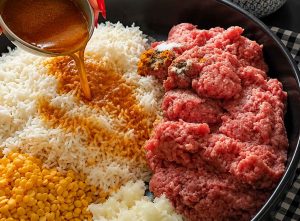
Ingredients for Koofteh Tabrizi Recipe
This recipe serves 6 people.
| Ingredient | Amount |
| Ground beef or lamb | 500 g (1.1 lb) |
| Cooked split peas | 1 cup |
| Cooked rice | 1 cup |
| Onion, grated | 1 large |
| Egg | 1 |
| Fresh parsley, chopped | ½ cup |
| Fresh cilantro, chopped | ¼ cup |
| Fresh dill, chopped | ¼ cup |
| Turmeric | 1 teaspoon |
| Black pepper | 1 teaspoon |
| Salt | To taste |
Traditional Filling
- 3 boiled eggs
- 6 dried plums
- ¼ cup walnuts
- Fried onions (optional)
For the Broth
- 2 tablespoons vegetable oil
- 2 onions, sliced
- 2 tablespoons tomato paste
- 5 cups beef broth or water
- 1 teaspoon turmeric
- Salt and pepper
The Best Meat for Koofteh Tabrizi
For the most flavorful Persian meatballs, choose ground beef with about 15–20% fat or use a mixture of beef and lamb. The fat helps keep the meatballs moist while they simmer in the broth. Lean meat can become dry and may cause the meatballs to crack during cooking.
Fresh herbs also play an important role. Using parsley, cilantro, and dill gives Kofteh Tabrizi its signature aroma and fresh flavor.
Kitchen Equipment
- Large mixing bowl
- Large pot or Dutch oven
- Fine grater
- Sharp knife
- Cutting board
- Wooden spoon
- Slotted spoon
Koofteh Tabrizi vs Turkish Köfte
Although the names sound similar, these two dishes are quite different.
This Kufteh Tabrizi recipe works because it uses the traditional balance of ground meat, cooked rice, split peas, and fresh herbs to create meatballs that are both tender and sturdy. Thorough mixing and gentle simmering help the koofteh hold its shape while absorbing the rich tomato broth, resulting in an authentic Persian dish with a soft texture and deep, savory flavor.
| Feature | Koofteh Tabrizi | Turkish Köfte |
| Size | Large | Small |
| Filling | Eggs, walnuts, plums | Usually none |
| Cooking Method | Simmered in broth | Grilled or pan-fried |
| Flavor | Herbaceous and savory | Smoky and meaty |
| Cuisine | Persian | Turkish |
If you’re looking for a hearty meal with rich broth and complex flavors, Koofteh Tabrizi offers a completely different experience from traditional Turkish köfte.
How to Make Koofteh Tabrizi Step by Step
Although Koofteh Tabrizi may look complicated, it’s surprisingly simple when prepared step by step. The secret is creating a well-balanced meat mixture and simmering the meatballs gently so they stay intact while absorbing the rich flavors of the broth.
Step 1: Cook the Rice and Split Peas
Cook the rice until it’s just tender but not mushy. Drain and let it cool completely. In a separate pot, cook the split peas until they’re soft but still hold their shape. Drain any excess water and allow them to cool. Using cooled ingredients helps the meat mixture bind together more easily.
Step 2: Prepare the Meat Mixture
In a large mixing bowl, combine the ground beef (or beef and lamb mixture), cooked rice, split peas, grated onion, egg, chopped parsley, cilantro, dill, turmeric, salt, and black pepper. Mix everything thoroughly using your hands for 5 to 8 minutes. This step is essential because it helps the proteins bind together, creating meatballs that remain firm during cooking. For even better texture, cover the mixture and refrigerate it for about 30 minutes before shaping.
Step 3: Prepare the Filling
Traditional Koofteh Tabrizi often contains a delicious surprise in the center.
Prepare:
- Boiled eggs
- Dried plums
- Walnut halves
- Fried onions (optional)
These fillings add layers of texture and flavor while making the dish even more authentic.
Step 4: Shape the Koofteh
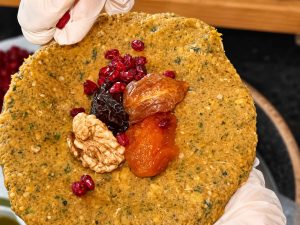
Lightly wet your hands with cold water. Take a large handful of the meat mixture and flatten it into your palm. Place a boiled egg (or half an egg for smaller portions), a few walnut pieces, one dried plum, and a little fried onion in the center.
Carefully wrap the meat mixture around the filling, sealing all the edges completely. Roll gently until you have a smooth, round meatball about the size of a large orange. Repeat with the remaining mixture.
Step 5: Prepare the Tomato Broth
Heat the vegetable oil in a large Dutch oven or deep pot over medium heat.
Add the sliced onions and cook until soft and lightly golden.
Stir in the tomato paste and turmeric, cooking for another two minutes to deepen the flavor.
Pour in the beef broth (or water), then season with salt and black pepper.
Bring the broth to a gentle simmer.
Step 6: Cook the Meatballs
Carefully lower each Kofteh Tabrizi into the simmering broth one at a time. Do not stir immediately. Let the meatballs cook undisturbed for about 15 minutes, allowing the exterior to firm up naturally.
Once they have set, occasionally spoon the hot broth over the tops of the meatballs instead of stirring vigorously. Cover the pot and simmer gently for 60 to 75 minutes until the meatballs are fully cooked and have absorbed the delicious flavors of the broth.
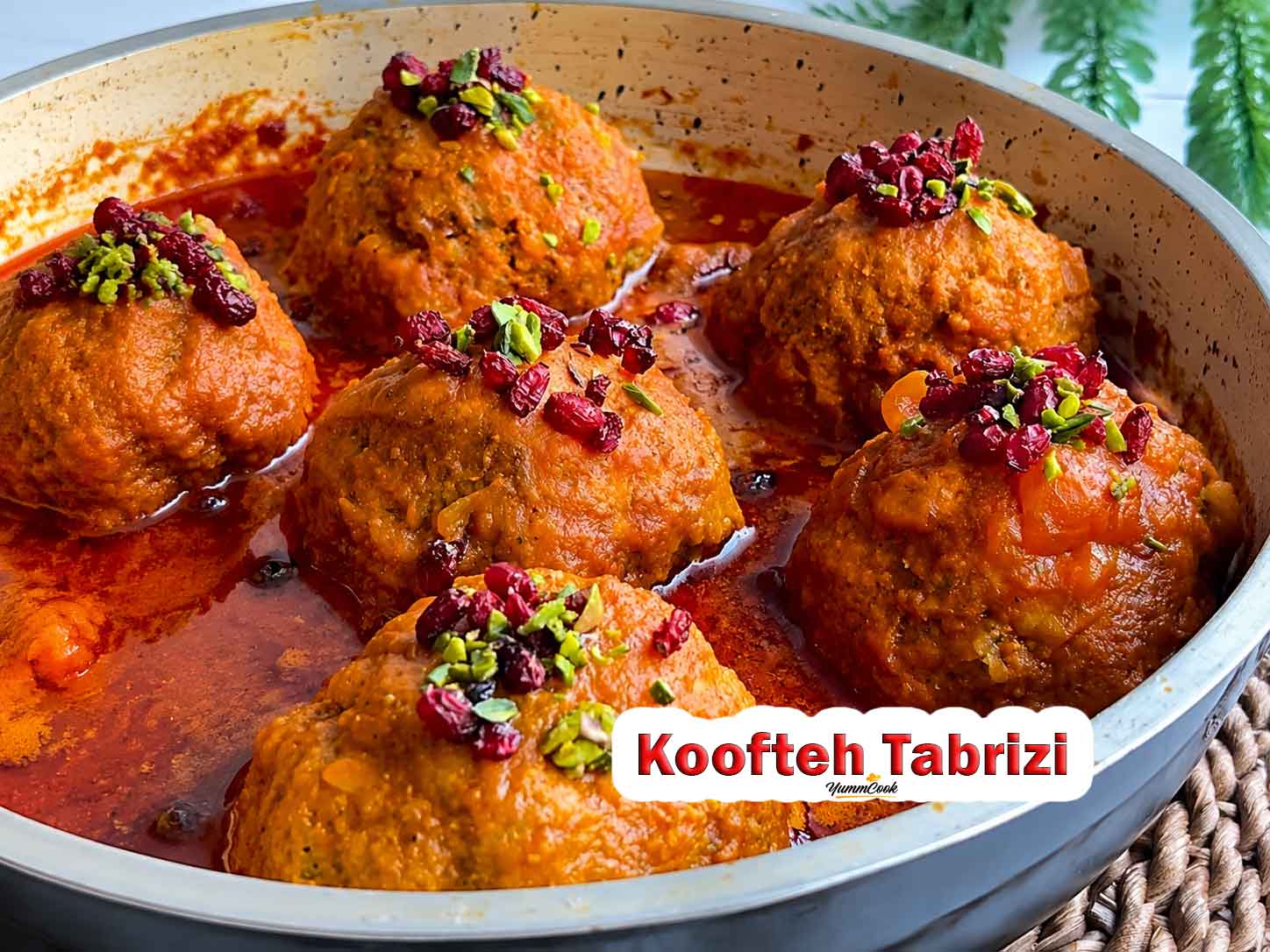
Authentic Koofteh Tabrizi Recipe
Ingredients
Method
- Step 1
- Cook the rice and split peas until tender. Drain well and allow them to cool completely.
- Step 2
- In a large bowl, combine the ground meat, cooked rice, split peas, grated onion, egg, parsley, cilantro, dill, turmeric, salt, and black pepper. Knead the mixture for 5-8 minutes until well combined, then refrigerate for 30 minutes.
- Step 3
- Divide the mixture into six equal portions. Flatten each portion and place a boiled egg or half an egg, walnuts, dried plums, and fried onions in the center. Carefully seal and shape into large round meatballs.
- Step 4
- Heat the oil in a large pot. Sauté the sliced onions until golden, then stir in the tomato paste and turmeric. Pour in the beef broth and season with salt and pepper. Bring to a gentle simmer.
- Step 5
- Carefully place the meatballs into the simmering broth. Cook undisturbed for 15 minutes, then gently spoon the broth over the meatballs. Cover and simmer for 60-75 minutes until fully cooked.
- Step 6
- Serve hot with the flavorful tomato broth, fresh herbs, and warm Persian flatbread.
Tips for the Best Koofteh Tabrizi
A few traditional techniques can make a significant difference in the final result. Always grate the onion and gently squeeze out excess liquid before adding it to the meat mixture. Too much moisture can make the meatballs fall apart.
Mix the ingredients thoroughly. Spending several minutes kneading the mixture develops the proteins and creates a stronger structure. Allow the mixture to rest in the refrigerator before shaping. This makes the meatballs much easier to handle.
Cook over a gentle simmer rather than a rolling boil. High heat can cause the meatballs to crack or break apart. Finally, use fresh herbs whenever possible. They give Koofteh Tabrizi Recipe its signature aroma and authentic Persian flavor.
Common Mistakes to Avoid
Even experienced cooks sometimes struggle with Koofteh Tabrizi. Here are the most common mistakes and how to avoid them.
Overmixing or Undermixing
Mixing too little prevents the ingredients from binding together, while excessive mixing can make the meatballs dense. Aim for about 5–8 minutes of kneading.
Using Too Much Onion
Excess onion juice creates a loose mixture that may fall apart during cooking. Always drain the grated onion before mixing.
Boiling Too Aggressively
A rapid boil can break delicate meatballs apart. Keep the broth at a gentle simmer throughout cooking.
Stirring Too Soon
Avoid stirring immediately after adding the meatballs to the broth. Let them firm up first before gently basting with broth.
Skipping the Resting Time
Chilling the mixture before shaping helps it hold together much better during cooking.
Koofteh Tabrizi Variations
One of the reasons Koofteh Tabrizi Recipe has remained popular for generations is its versatility. Families often prepare different versions depending on local traditions and personal preferences.
Traditional Koofteh Tabrizi
The classic version includes ground beef or lamb, rice, split peas, fresh herbs, boiled eggs, walnuts, and dried plums simmered in a rich tomato broth.
Chicken Koofteh
Replace the beef with ground chicken for a lighter version. While the flavor is milder, it remains tender and delicious.
Vegetarian Koofteh
Swap the meat for a mixture of mashed lentils, mushrooms, chickpeas, and walnuts to create a satisfying vegetarian alternative inspired by the original recipe.
Mini Koofteh
Instead of making one large meatball per serving, shape smaller meatballs that cook more quickly and are perfect for appetizers or family-style meals.
Gluten-Free Koofteh
The traditional recipe is naturally gluten-free when prepared with plain rice and gluten-free broth, making it suitable for many dietary needs.
What Makes Koofteh Tabrizi Special?
Unlike ordinary meatballs, Kufteh Tabrizi combines fresh herbs, grains, legumes, and flavorful fillings into one impressive dish. Its rich tomato broth, tender texture, and hidden center of walnuts, dried plums, and eggs make it one of the most iconic recipes in Persian cuisine.
Whether served for a family gathering or a festive celebration, this authentic dish continues to be a symbol of Iranian hospitality and home cooking.
How to Store Koofteh Tabrizi
Proper storage helps preserve the flavor and texture of Koofteh Tabrizi, making it an excellent meal to prepare in advance.
Allow the meatballs and broth to cool completely before transferring them to an airtight container. Store the meatballs in the broth to keep them moist and prevent them from drying out.
Refrigerate for up to 4 days. To reheat, place the meatballs and broth in a saucepan over medium-low heat until warmed through. Avoid boiling vigorously, as this may cause the meatballs to break apart. For longer storage, freeze the cooked meatballs with the broth in freezer-safe containers for up to 3 months. Thaw overnight in the refrigerator before reheating gently on the stovetop.
Health Benefits of Koofteh Tabrizi
Besides being a comforting traditional meal, Koofteh Tabrizi provides a variety of important nutrients. Ground beef or lamb is an excellent source of high-quality protein, which supports muscle growth and repair. It also provides iron, zinc, and vitamin B12, nutrients that contribute to healthy blood cells, energy production, and immune function.
Split peas are naturally rich in fiber and plant-based protein, helping promote digestive health while making the meal more filling.
Fresh herbs such as parsley, cilantro, and dill add vitamins, antioxidants, and vibrant flavor without increasing calories. Because this recipe combines protein, grains, legumes, and vegetables in one dish, Koofteh Tabrizi can be a well-balanced meal when served with fresh herbs or a simple salad.
What to Serve with Koofteh Tabrizi
Koofteh Tabrizi is satisfying enough to serve on its own, but a few traditional side dishes make the meal even more memorable.
Fresh Persian flatbread is perfect for soaking up the rich tomato broth. A bowl of creamy yogurt or Cacık adds a refreshing contrast to the savory meatballs, while a plate of fresh herbs, radishes, and onions provides a classic Persian accompaniment.
For a complete Persian-inspired meal, finish with a traditional dessert such as Khagineh. If you enjoy exploring Middle Eastern cuisine, you may also like our Samsa Recipe, a savory pastry filled with seasoned meat, or our Ash Reshteh Recipe, another comforting Persian classic.
Frequently Asked Questions
What is Koofteh Tabrizi?
Koofteh Tabrizi is a traditional Persian dish made with large meatballs prepared from ground meat, rice, split peas, fresh herbs, and spices, then simmered in a rich tomato broth.
Can I make Koofteh Tabrizi ahead of time?
Yes. In fact, many people believe the flavors improve after resting overnight in the refrigerator.
Can I freeze Koofteh Tabrizi?
Absolutely. Freeze the meatballs together with the broth for up to three months, then thaw and reheat gently before serving.
Why do Koofteh Tabrizi meatballs fall apart?
The most common reasons are not mixing the ingredients thoroughly, using too much onion juice, or boiling the broth too vigorously.
Is Koofteh Tabrizi gluten-free?
Yes. This recipe is naturally gluten-free when prepared without breadcrumbs and using gluten-free broth.
Can I use ground turkey or chicken?
Yes. Although beef or lamb provides the traditional flavor, ground turkey or chicken creates a lighter version that’s still delicious.
More Traditional Persian Recipes to Try
If you enjoyed this Koofteh Tabrizi Recipe, here are a few more authentic recipes to explore:
- Khagineh Recipe: A traditional Persian dessert made with eggs, cinnamon, and sweet syrup.
- Cacik Recipe: A cool yogurt and cucumber dish that perfectly complements rich meat-based meals.
- Beyran Soup Recipe: A hearty and flavorful soup that’s popular for its rich broth and tender meat.
- Samsa Recipe: A crispy pastry filled with seasoned meat, enjoyed across Iran and Central Asia.
- Dizi Recipe: Iran’s famous slow-cooked lamb and chickpea stew, traditionally served with fresh bread and herbs.
Conclusion
This Koofteh Tabrizi Recipe brings one of Iran’s most treasured traditional dishes to your kitchen. Made with tender ground meat, rice, split peas, fragrant herbs, and a rich tomato broth, these authentic Persian meatballs are hearty, flavorful, and perfect for sharing with family and friends. Although the recipe requires a little patience, the result is well worth the effort. Every bite showcases the rich culinary heritage of Tabriz, combining wholesome ingredients with generations of cooking tradition.
Whether you’re exploring Persian cuisine for the first time or recreating a beloved family favorite, this homemade Koofteh Tabrizi is sure to become a recipe you’ll return to again and again.

I want to to thank you for this very good read!! I definitely enjoyed every
bit of it. I have got you book marked to look at new things you
post…