
Khoresh Karafs Recipe (Authentic Persian Celery Stew)
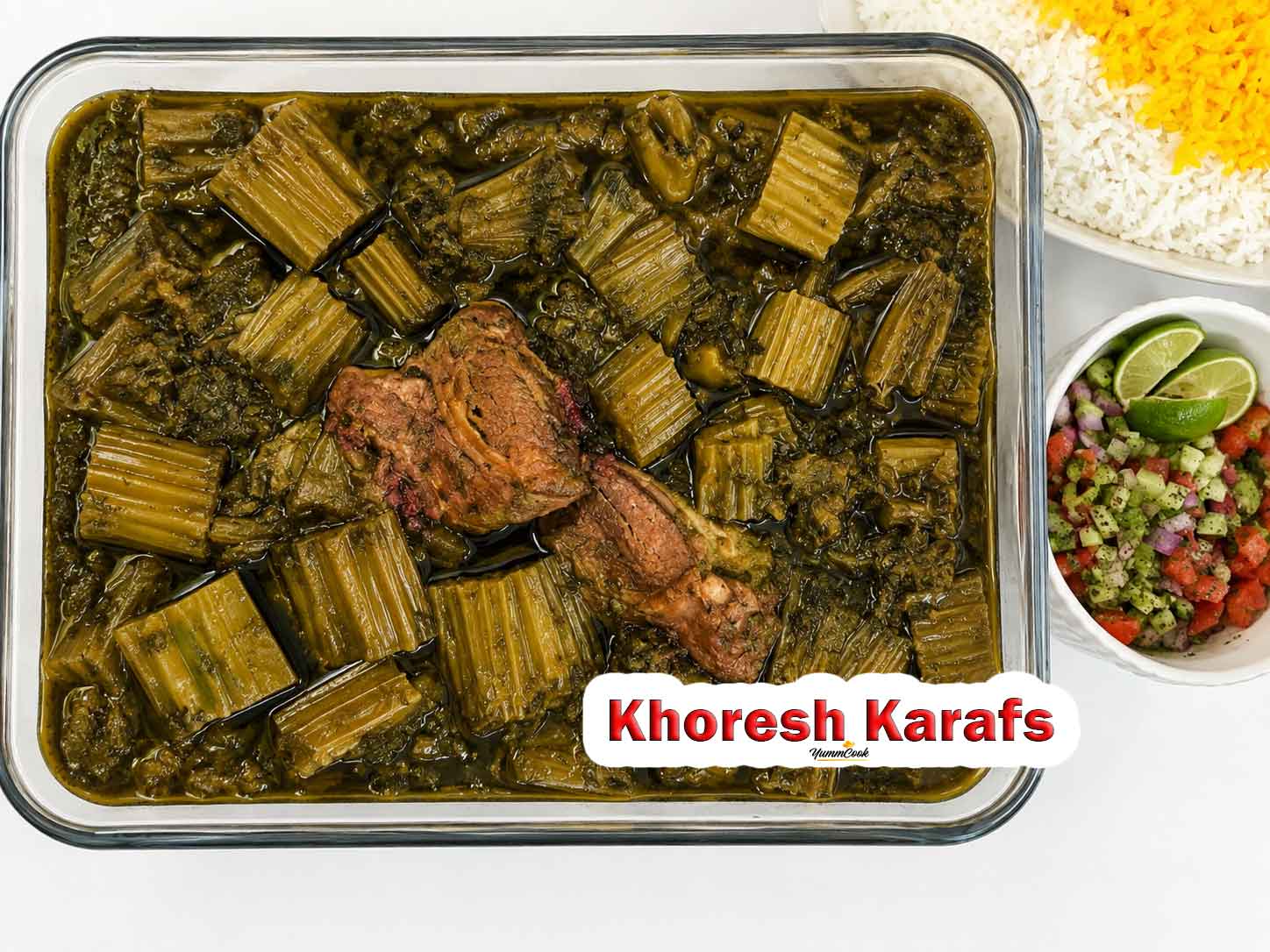
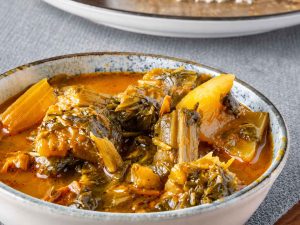
There is something wonderfully understated about a good plate of Khoresh Karafs recipe. Nothing on the ingredient list sounds particularly extravagant, yet after a couple of hours on the stove, celery, herbs, and tender meat turn into a deeply aromatic stew with a flavor that is unmistakably Persian.
This Persian celery stew is traditionally served over steamed basmati rice, where the flavorful sauce can soak into the grains. If you enjoy Iranian food but have never made a khoresh at home, Persian celery stew is a great recipe to add to your collection.
What Makes Khoresh Karafs Special?
Persian cuisine has a remarkable way of turning herbs and vegetables into the main character of a meal. Khoresh Karafs is a perfect example. The celery is cut into manageable pieces and gently cooked until tender, while parsley and mint provide most of the stew’s distinctive fragrance. Cubes of beef or lamb make the dish hearty, and a small amount of lemon juice gives the finished sauce the acidity it needs.
The goal is not to create a thick gravy. Instead, Persian celery stew should have a relatively light but concentrated sauce rich enough to flavor rice without overwhelming it.
Ingredients You’ll Need to Make Khoresh Karafs
The recipe uses everyday ingredients, but choosing good celery and fresh herbs will make a noticeable difference.
| Ingredient | Amount |
| Beef or lamb stew meat | 1 lb (450 g) |
| Celery | 1 large bunch |
| Fresh parsley | 1 cup, finely chopped |
| Fresh mint | ½ cup, finely chopped |
| Yellow onion | 1 large |
| Vegetable oil | 3 tablespoons |
| Ground turmeric | 1 teaspoon |
| Black pepper | ½ teaspoon |
| Tomato paste | 1 tablespoon |
| Lemon juice | 2-3 tablespoons |
| Salt | To taste |
| Water or low-sodium stock | 3-4 cups |
| Brewed saffron | 1 tablespoon, optional |
A Note About the Celery
The best celery for this recipe has firm, crisp stalks without excessive toughness. After washing it, trim the bottom and remove any particularly stringy outer fibers. Cut the stalks into pieces that are easy to pick up with a fork. You can also save the leafy tops and chop some of them into the stew. They carry plenty of celery flavor.
Fresh Herbs Are Worth It
Parsley and mint aren’t minor additions here. They form a large part of the dish’s identity. Fresh mint can be replaced with dried mint if necessary, but use it sparingly. Dried herbs are much more concentrated and can quickly dominate the stew.
How to Make Persian Celery Stew
The cooking itself is straightforward. The important part is giving each stage enough time instead of trying to finish the stew as quickly as possible.
-
Chop the Celery and Herbs
Wash the celery thoroughly and cut the stalks into pieces roughly 1 to 1½ inches long. Finely chop the parsley and mint. Keep the chopped herbs ready beside the stove.
-
Start With the Onion
Place a large pot over medium heat and add the oil. Add the diced onion and cook slowly until it becomes soft and lightly golden. Sprinkle in the turmeric and black pepper and stir until the onion is evenly coated. The onion should smell sweet and aromatic before you move on to the meat.
-
Brown the Meat
Add the beef or lamb to the pot. Cook for several minutes, stirring from time to time, until the pieces lose their raw exterior and develop some color around the edges. You don’t need a deep sear. The purpose of this stage is to build a savory foundation for the stew.
-
Cook the Tomato Paste
Add the tomato paste and stir it through the meat and onions. Let it cook for about a minute. This gives the paste a slightly deeper flavor and helps it blend into the rest of the dish.
-
Give the Celery a Quick Sauté
While the meat is cooking, warm a little oil in a separate skillet. Add the celery and sauté for several minutes, just until it begins to soften. This extra step isn’t complicated, but it gives the celery a more developed flavor and helps it hold its shape during the long simmer.
-
Bring Everything Together
Transfer the celery to the main pot. Add the chopped parsley and mint, then stir the ingredients together. Pour in enough water or stock to come partway up the mixture. You want moisture for slow cooking, but you don’t want the ingredients swimming in liquid. Bring the pot to a gentle simmer.
-
Let the Stew Cook Slowly
Lower the heat, cover the pot, and allow the stew to cook for about 60 to 90 minutes. The exact time depends on the meat you’re using and the size of the pieces. Check the pot occasionally. If the liquid has reduced too much before the meat becomes tender, add a little hot water. Avoid adding a large amount at once. It is easier to thin a concentrated stew than to rescue one that has become watery.
-
Finish With Lemon
Once the meat is tender and the celery has softened, stir in the lemon juice. Start with two tablespoons, taste, and add more if needed. If you’re using saffron, this is also a good point to add the brewed saffron. Let the stew continue cooking without the lid for another 10 to 15 minutes. This gives the sauce time to reduce and brings the flavors together.
-
Make the Final Adjustments
Before taking the pot off the heat, taste the sauce. You are looking for a balance between savory meat, fresh herbs, mild celery sweetness, and a noticeable but controlled citrus tang. Add salt or another small splash of lemon juice if necessary.
Khoresh Karafs (Persian Celery Stew)
Ingredients
Method
- Wash and cut the celery into bite-sized pieces.
- Chop the parsley and mint.
- Sauté the onion in oil until soft and lightly golden.
- Add turmeric and black pepper.
- Add the meat and cook until lightly browned.
- Stir in the tomato paste and cook for 1 minute.
- Sauté the celery separately for several minutes.
- Add the celery, parsley, and mint to the pot.
- Add water or stock and bring to a gentle simmer.
- Cover and cook over low heat for 60-90 minutes, until the meat is tender.
- Add lemon juice and optional brewed saffron.
- Simmer uncovered for another 10-15 minutes to reduce the sauce.
- Taste and adjust the salt and lemon juice.
- Serve hot with Persian steamed rice.
What Should Khoresh Karafs Look Like?
Don’t judge the stew by how much liquid is in the pot. A finished Khoresh Karafs should have a noticeable amount of sauce, but that sauce should have body and flavor rather than looking like a thin soup.
The celery should be tender enough to bite easily while still keeping its shape. The meat should be fork-tender, and the herbs should have blended into the sauce instead of sitting separately on top. A thin layer of oil on the surface is completely normal and can actually be a sign that the stew has had enough time to cook.
The Best Way to Serve It
For the classic Persian experience, bring the stew to the table alongside a platter of steamed basmati rice. Spoon some of the khoresh over individual portions of rice, making sure each serving gets meat, celery, and plenty of sauce.
A few traditional sides can turn it into a complete Persian meal:
- Shirazi salad
- Persian torshi
- Plain yogurt
- Fresh herbs
- Doogh
- Crispy tahdig
Tahdig deserves special mention. Those golden pieces of crispy rice are excellent for scooping up the herbal sauce.
If you enjoy exploring Persian food beyond stews, there are plenty of traditional dishes worth trying. A hearty Kale Pache is a classic choice for a completely different kind of meal, while Vavishka offers a comforting taste of northern Iranian cooking. You can also try Persian Biryani when you’re in the mood for something richer, or Sirabi if you’re looking for another traditional Persian dish with plenty of character.
Tips for a More Flavorful Khoresh Karafs
Keep the heat gentle.
A rapid boil can make the meat tougher and cause the celery to break apart. Once the stew starts simmering, lower the heat.
Don’t drown the ingredients.
Start with less liquid than you think you need. The vegetables and meat will release some moisture as they cook.
Taste before adding more lemon
Different lemons have different levels of acidity. Add the juice in stages rather than following the measurement blindly.
Use a heavy pot if possible.
A heavy-bottomed pot distributes heat more evenly and makes long, slow cooking easier.
Don’t rush the final reduction.
The last few minutes without a lid are important. This is when excess moisture evaporates, and the sauce becomes more concentrated.
Give it a short rest.
Once the cooking is finished, let the stew stand for about 10 minutes. The temperature settles, and the flavors become slightly more integrated.
Can I Use Chicken Instead of Beef or Lamb?
Chicken is a perfectly good alternative if you prefer a lighter version. Boneless chicken thighs are especially suitable because they stay moist during cooking. Since chicken requires less time than beef or lamb, avoid following the full cooking time used for red meat. Add the chicken once the celery and herb mixture has begun cooking and simmer only until the chicken is completely cooked.
Can I Make Khoresh Karafs Without Meat?
You can turn this into a vegetarian Persian celery stew by replacing the meat with ingredients such as mushrooms, chickpeas, or a combination of hearty vegetables. Mushrooms work particularly well because they contribute a savory flavor without competing with the mint and parsley. For a vegetarian version, use vegetable stock and adjust the cooking time according to the ingredients.
Why Did My Celery Turn Mushy?
Celery can lose its structure if it is cooked too aggressively or for too long. Cutting the pieces slightly larger and keeping the stew at a gentle simmer will help. Lightly sautéing the celery before adding it to the pot also helps it maintain a better texture. If you prefer celery with more bite, add it later in the cooking process rather than putting it into the pot at the beginning.
Can Khoresh Karafs Be Made Ahead?
Yes, and this is one of the convenient things about Persian stews. After cooling, store the khoresh in a sealed container in the refrigerator. Reheat it gently on the stovetop rather than boiling it aggressively. The flavors can become even more harmonious after the stew has rested overnight, making it a practical dish for entertaining.
How to Store and Freeze Khoresh Karafs
Refrigerated Khoresh Karafs should be kept in an airtight container. For longer storage, freeze the cooled stew in individual portions. Leave a little room at the top of the container because the contents will expand as they freeze.
For the best result, keep cooked Persian rice separate from the stew. Thaw the khoresh in the refrigerator and reheat it slowly. If the sauce has become too thick, add a tablespoon or two of water while reheating.
My Experience Making Khoresh Karafs
The first time I made Khoresh Karafs, I wasn’t sure celery could make such a flavorful stew. But once the mint, parsley, and celery started cooking together, the kitchen smelled amazing. I added a little too much lemon at first, but after letting the stew simmer longer, the flavors came together beautifully. Now, I always serve it with Persian rice and tahdig.
Frequently Asked Questions
What is Khoresh Karafs?
Khoresh Karafs is a traditional Persian celery stew made with celery, fresh herbs, meat, and a sour ingredient such as lemon juice. It is commonly served with Persian steamed rice.
Is Khoresh Karafs sour?
It has a mild to moderately tangy flavor, but it should not taste overwhelmingly sour. Lemon juice is best added gradually so you can control the acidity.
What herbs go into Khoresh Karafs?
Fresh parsley and mint are the classic herbs used in this stew. Some versions may use slightly different herb proportions depending on personal or regional preference.
What meat can I use?
Beef and lamb are both traditional choices. Chicken can also be used when you want a lighter and faster-cooking version.
Can I use dried herbs?
Fresh herbs are preferable, particularly for the parsley. Dried mint can be used when fresh mint isn’t available, but use a smaller quantity.
What rice goes with Khoresh Karafs?
Steamed basmati rice is the traditional choice. Persian-style rice with tahdig is particularly well suited to the flavorful sauce.
Why is my stew too watery?
Too much added liquid is usually the reason. Remove the lid and let the khoresh simmer gently until some of the water evaporates and the sauce becomes more concentrated.
How do I make the stew more sour?
Add lemon juice in small increments near the end of cooking. Taste after each addition until the acidity reaches the level you like.
Conclusion
A bowl of Khoresh Karafs doesn’t rely on complicated cooking techniques. Its character comes from patience and balance. The celery needs enough time to soften, the meat needs a slow simmer, and the herbs need a chance to release their aroma into the sauce. Lemon comes in at the end to bring everything into focus.
Pile some steamed basmati rice onto your plate, add a generous spoonful of the stew, and don’t forget the tahdig. That’s when this simple combination of celery, herbs, and meat really shows what Persian home cooking can do.
