
Cinnamon Rolls Recipe: Soft & Gooey Every Time
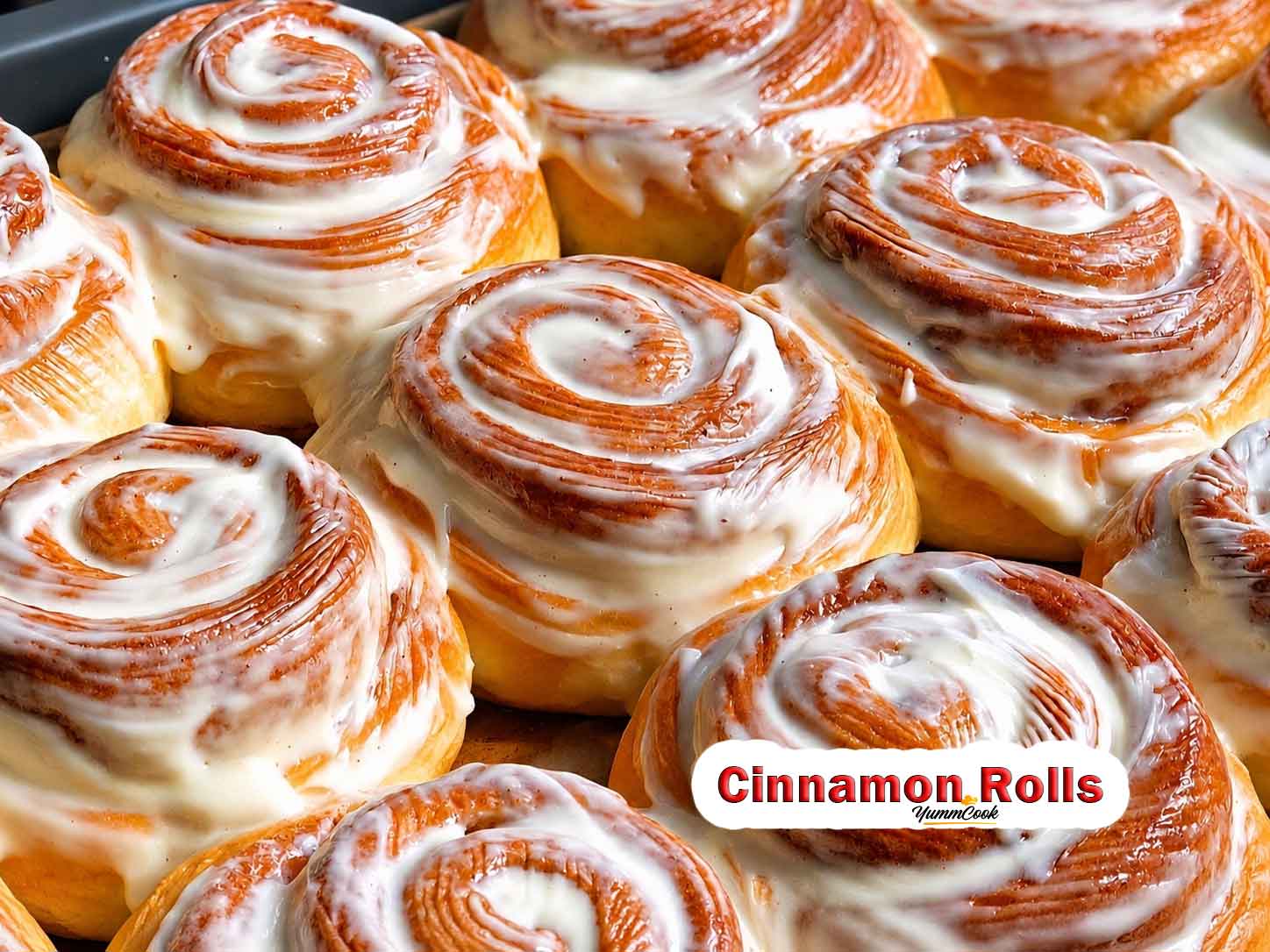
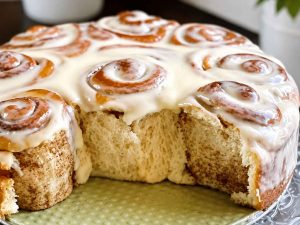
There are few things as comforting as the smell of freshly baked cinnamon rolls filling the kitchen. That warm combination of butter, cinnamon, brown sugar, and sweet dough somehow makes an ordinary morning feel special. I’ve always thought the best cinnamon rolls are not the ones that look perfect in a photograph. They’re the ones you pull apart while they’re still warm, when the center is soft and gooey, and the cinnamon filling has melted into every layer of the dough.
After making cinnamon rolls several different ways, I’ve learned that the little details matter. The temperature of the milk, the softness of the dough, how tightly you roll it, and even how long you let the rolls rise can completely change the final result. This cinnamon rolls recipe gives you soft, fluffy rolls with a rich cinnamon-brown sugar filling and a creamy vanilla icing. They’re perfect for breakfast, brunch, holidays, or simply those days when you want your kitchen to smell incredible.
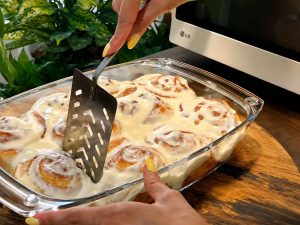
Why You’ll Love This Cinnamon Rolls Recipe
These homemade cinnamon rolls are:
- Soft and fluffy in the center
- Rich with buttery cinnamon filling
- Gooey without being underbaked
- Easy enough for a weekend baking project
- Made with simple pantry ingredients
- Delicious warm from the oven
- Finished with a smooth, creamy icing
The dough is tender rather than overly sweet, which allows the cinnamon filling to shine. And if you’ve ever made cinnamon rolls that turned out dry or dense, don’t worry. I’ll walk you through the details that make the biggest difference.
Ingredients for the Best Homemade Cinnamon Rolls
Here’s everything you need to make soft, fluffy cinnamon rolls with a buttery cinnamon filling and creamy cream cheese icing.
| Ingredient | Amount |
| For the Dough | |
| Warm whole milk | ¾ cup |
| Active dry yeast | 2 ¼ teaspoons |
| Granulated sugar | ¼ cup |
| Large egg | 1 |
| Unsalted butter, melted | ¼ cup |
| Salt | ½ teaspoon |
| All-purpose flour | 3-3 ½ cups |
| For the Cinnamon Filling | |
| Unsalted butter, softened | ½ cup |
| Packed brown sugar | ¾ cup |
| Ground cinnamon | 2 tablespoons |
| Vanilla extract | 1 teaspoon |
| Salt | A small pinch |
| For the Cream Cheese Icing | |
| Cream cheese, softened | 4 ounces |
| Unsalted butter, softened | 2 tablespoons |
| Powdered sugar | ¾ cup |
| Vanilla extract | 1 teaspoon |
| Milk | 1-2 tablespoons, as needed |
How to Make Cinnamon Rolls
-
Activate the Yeast
Start by warming the milk. It should feel comfortably warm, not hot. If the milk is too hot, it can damage the yeast. Pour the warm milk into a large mixing bowl and stir in the sugar and yeast. Let it sit for about 5-10 minutes.
You should see a light layer of foam forming on the surface. That’s a good sign that your yeast is active. If nothing happens after 10 minutes, check the expiration date of your yeast and the temperature of your milk before continuing.
-
Make the Dough
Add the egg, melted butter, and salt to the yeast mixture. Begin adding the flour gradually, mixing as you go. You may not need the entire amount. Once the dough starts coming together, transfer it to a lightly floured surface and knead for about 7-10 minutes.
This is one of the steps where I used to make the biggest mistake: adding too much flour. It’s tempting to keep adding flour when the dough feels slightly sticky, but cinnamon roll dough should be soft and a little tacky. If you make it too dry, the finished rolls can become heavy instead of fluffy. The dough is ready when it feels smooth, elastic, and soft.
-
Let the Dough Rise
Place the dough in a lightly greased bowl and cover it with a clean kitchen towel or plastic wrap. Leave it somewhere warm for about 1 to 1½ hours, or until it has roughly doubled in size.
The exact timing can vary depending on the temperature of your kitchen. On a cold day, the dough may take longer. Don’t watch the clock too closely; watch the dough. That’s one of the most useful lessons when working with yeast dough.
-
Make the Cinnamon Filling
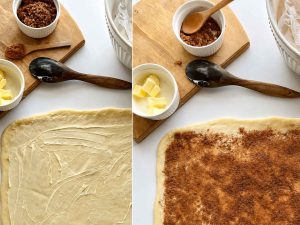
While the dough is rising, prepare the filling. Mix the softened butter, brown sugar, cinnamon, vanilla, and a pinch of salt until you have a smooth, spreadable mixture.
I prefer brown sugar rather than white sugar here because it gives the filling a deeper caramel-like flavor. And don’t be shy with the cinnamon. The filling should taste bold before it goes into the dough because its flavor becomes slightly softer during baking.
-
Roll Out the Dough
Once the dough has doubled in size, gently punch it down to release excess air. Transfer it to a lightly floured surface and roll it into a rectangle, approximately 14 * 18 inches.
Try to keep the thickness relatively even. If one side is much thicker than the other, your cinnamon rolls won’t bake evenly. Spread the cinnamon filling evenly over the entire surface, leaving a small border around the edges. This is where you want to make sure every bite gets some of that buttery cinnamon mixture.
-
Roll and Cut the Cinnamon Rolls
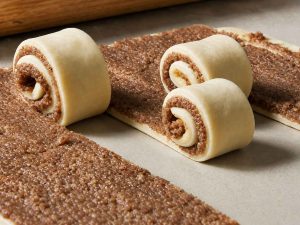
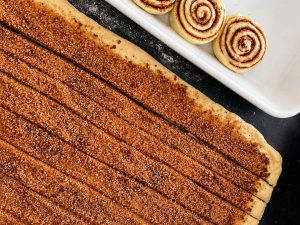
Starting from one of the longer sides, roll the dough into a log. Roll it firmly enough to keep the layers together, but don’t squeeze it so tightly that the filling gets pushed out.
Once you have a long log, cut it into 10-12 equal pieces. For cleaner cuts, I like using unflavored dental floss. Slide the floss underneath the dough, cross the ends over the top, and pull. It creates a surprisingly clean cut without flattening the rolls. You can also use a sharp knife.
-
Arrange and Proof Again
Place the rolls into a greased 9 × 13-inch baking dish, leaving a little space between them. Cover the dish and let the rolls rise again for approximately 30-45 minutes. They should become visibly puffy.
This second rise is important. Skipping it can leave you with dense cinnamon rolls, even if your first rise went perfectly. When the rolls have expanded and are beginning to touch one another, they’re ready for the oven.
-
Bake the Cinnamon Rolls
Preheat your oven to 350°F (175°C).
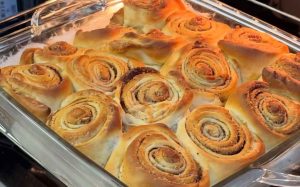
Bake the cinnamon rolls for approximately 22-28 minutes. The tops should be lightly golden, while the centers should look cooked but still soft. One of my favorite tricks is not to judge cinnamon rolls only by their color. If you wait until the tops become deeply brown, the center can end up drier than you want.
You’re looking for that beautiful balance: golden on top, soft in the middle. Let them cool for about 10 minutes before adding the icing.
-
Make the Cream Cheese Icing
While the rolls are baking, make the icing. Beat the softened cream cheese and butter until smooth. Add the powdered sugar and vanilla and mix until creamy.
If the icing is too thick, add milk one teaspoon at a time until you reach the consistency you like. For the best result, spread the icing over the rolls while they’re still warm. Not piping hot, just warm enough for the icing to soften slightly and melt into the swirls. That moment when the cream cheese icing starts sliding into all those cinnamon-filled layers is honestly one of the best parts of making homemade cinnamon rolls.
Cinnamon Rolls Recipe
Ingredients
Method
- Activate the yeast: Warm the milk until comfortably warm, not hot. Stir in the sugar and yeast and let it sit for 5-10 minutes, until lightly foamy.
- Make the dough: Add the egg, melted butter, and salt. Gradually mix in the flour until a soft, slightly sticky dough forms. Knead on a lightly floured surface for 7-10 minutes, until smooth and elastic.
- First rise: Place the dough in a lightly greased bowl, cover, and let it rise in a warm place for 1-1½ hours, or until doubled in size.
- Prepare the filling: Mix the softened butter, brown sugar, cinnamon, vanilla, and salt until smooth and spreadable.
- Roll out the dough: Gently deflate the risen dough and roll it into an approximately 14 * 18-inch rectangle. Spread the cinnamon filling evenly over the surface, leaving a small border around the edges.
- Roll and cut: Starting from the long side, roll the dough into a log. Cut it into 10-12 equal pieces using a sharp knife or unflavored dental floss.
- Second rise: Arrange the rolls in a greased 9 × 13-inch baking dish. Cover and let them rise for 30-45 minutes, until noticeably puffy.
- Bake: Preheat the oven to 350°F (175°C). Bake for 22-28 minutes, until lightly golden on top and soft in the center.
- Make the icing: Beat the cream cheese and butter until smooth. Add the powdered sugar and vanilla, then mix until creamy. Add milk gradually if needed to reach your preferred consistency.
- Finish and serve: Let the cinnamon rolls cool for about 10 minutes, then spread the cream cheese icing over the warm rolls. Serve immediately for the softest, gooeyest texture.
Tips for Soft and Fluffy Cinnamon Rolls
Don’t Add Too Much Flour
This is probably the most important tip. A slightly sticky dough is normal. Adding extra flour until the dough feels completely dry and easy to handle may make the process easier, but the rolls will usually be heavier. Use just enough flour to bring the dough together.
Use Warm, Not Hot, Milk
The milk should be warm to the touch. Very hot milk can interfere with the yeast, while cold milk simply slows the process down.
Give the Dough Enough Time to Rise
Yeast dough doesn’t always follow an exact schedule. If your kitchen is cool, allow more time. If it’s warm, the dough may rise faster. The visual cue roughly doubling in size is more important than a precise number of minutes.
Don’t Overbake
Overbaking is one of the easiest ways to turn soft cinnamon rolls into dry ones. Start checking them toward the lower end of the suggested baking time. The center should be set but still soft.
Spread the Filling Evenly
Try to distribute the cinnamon filling from edge to edge. A thick pocket of filling in the center and almost none at the edges means every bite won’t have the same flavor.
What Makes Cinnamon Rolls Gooey?
The gooey texture comes from a combination of factors: a soft enriched dough, enough butter and brown sugar in the filling, proper proofing, and careful baking. The biggest mistake is usually baking them for too long. A cinnamon roll continues to cook slightly from residual heat after leaving the oven, so you don’t need to wait for a dark golden-brown top.
Can I Make Cinnamon Rolls Ahead of Time?
Absolutely. One of the best things about homemade cinnamon rolls is that you can prepare them the night before. After cutting and arranging the rolls in the baking dish, cover them tightly and place them in the refrigerator overnight.
The next morning, take them out and let them sit at room temperature until they become puffy again. Depending on the temperature of your kitchen, this may take around 45-90 minutes. Then bake as directed. This method is especially useful for Christmas morning, weekend brunch, or when you’re serving breakfast to guests.
How to Store Homemade Cinnamon Rolls
Store leftover cinnamon rolls in an airtight container at room temperature for up to 2 days, or refrigerate them for longer storage. Because of the cream cheese icing, refrigeration is the safer option if your kitchen is warm.
To bring them back to that soft, fresh-baked texture, warm an individual roll in the microwave for about 10-20 seconds. Be careful not to overheat it. A little warmth is enough to soften the butter and filling again.
Can You Freeze Cinnamon Rolls?
Yes. You can freeze baked cinnamon rolls once they have completely cooled. Wrap them individually or place them in a freezer-safe airtight container. They can be frozen for up to about 2-3 months for the best quality. Thaw them overnight in the refrigerator or at room temperature, then warm them gently before serving.
For the freshest result, you can also freeze the rolls before baking, although this requires a little more planning because the yeast needs time to become active again after thawing.
If you’re a fan of delicious Middle Eastern and Mediterranean flavors, there are plenty of treats worth discovering. From the soft and fragrant Sheermal to the sweet and delicate Baghlava and creamy Kazandibi, each one offers a unique taste experience. For those who enjoy the perfect balance of sweet and savory flavors, Feta Me Meli is another delightful choice to try.
Common Cinnamon Roll Mistakes
My dough isn’t rising. What should I do?
First, make sure your yeast is active, and your kitchen isn’t particularly cold. Yeast works slowly in cool conditions. Give the dough more time before assuming something has gone wrong.
Why are my cinnamon rolls dense?
Too much flour, insufficient kneading, inadequate rising time, or inactive yeast can all contribute to dense rolls. The most common issue is adding too much flour.
Why did my filling leak out?
The dough may have been rolled too tightly, or the butter in the filling may have been too melted. Use softened butter that is spreadable but not liquid.
Why are my cinnamon rolls dry?
They were probably baked too long, or the dough contained too much flour. Keep an eye on them during the final minutes of baking.
Frequently Asked Questions
Can I use instant yeast instead of active dry yeast?
Yes. Instant yeast can generally be used in the same quantity. It also doesn’t require the same activation step, although mixing it directly into the dough is usually the preferred method.
Can I make cinnamon rolls without cream cheese?
Definitely. You can make a simple vanilla glaze using powdered sugar, vanilla, and a small amount of milk. It will be lighter and sweeter than cream cheese icing.
What is the best flour for cinnamon rolls?
All-purpose flour works very well for this recipe. Bread flour can also produce a slightly chewier texture because of its higher protein content.
How do I keep cinnamon rolls soft?
Avoid adding too much flour and don’t overbake them. Storing them in an airtight container also helps prevent them from drying out.
Can I prepare cinnamon rolls the night before?
Yes. Assemble the rolls, cover them tightly, and refrigerate overnight. Allow them to warm and become puffy before baking the next morning.
The Secret to the Best Cinnamon Rolls
If I had to reduce the entire recipe to just three pieces of advice, they would be these:
Keep the dough soft.
Give it enough time to rise.
Don’t overbake the rolls.
Get those three things right, and you’ll be rewarded with soft, fluffy, cinnamon-filled rolls that are difficult to resist. And if you manage to save some for tomorrow’s breakfast, you’re doing better than I usually do.
Final Thoughts
There’s something wonderfully old-fashioned about making cinnamon rolls from scratch. Yes, they take more time than opening a package of ready-made dough. You have to wait for the yeast, knead the dough, roll it out, spread the filling, and let the rolls rise again.
But that extra time is part of what makes them special. The first time you pull one apart while it’s still warm, you’ll understand why homemade cinnamon rolls are worth the effort. The layers should be soft enough to tear apart with your fingers, the cinnamon filling should be fragrant and buttery, and the icing should melt just slightly over the top.
If you’re making this cinnamon rolls recipe for the first time, don’t worry about making every roll perfectly identical. Homemade baking doesn’t need to look manufactured. Let the rolls be a little uneven. Let the icing drip down the sides. Eat one while it’s warm.
